juices

 Beetroot Powder vs. Whole Beet Juice – Which is Better?

Powdered beetroot versus whole beet juice, which is better? This crimson vegetable offers more than just a delicious addition to meals, as more people are discovering. This post will examine beetroot powder health benefits compared to those of whole beet juice. 

TABLE OF CONTENTS

  1. Understanding The Beetroot Difference
    1. Beetroot Powder
    2. Tips for Using Your Dehydrator
    3. Whole Beet Juice
  2. Comparing the Nutritional Benefits
  3. Beetroot Powder or Beetroot Juice- Which Fits Your Life?
  4. Beetroot Drink Recipes
    1. Energizing Beetroot Power Smoothie
    2.  Citrus Beet Juice
  5.  Performance and Health Benefits
  6. Cost Considerations
  7. The Verdict: Which Should You Choose?
    1. Choose beetroot powder
    2. Choose whole beet juice
  8. Conclusion

Understanding The Beetroot Difference

Affiliate Disclaimer :  Some of the links in this website https://www.healthydrinks4you.com are affiliate links. As an Amazon Associate, I earn from qualifying purchases. Regardless, this website only recommends products or services that will add value to the readers.

It’s important to understand what makes each beetroot form unique before comparing beetroot powder and whole beetroot juice. 

Beetroot Powder

Beetroot powder is made from dried beetroots that are ground into a fine powder. Here’s a step-by-step process for making it:

  1. Selecting Beets: Choose fresh, ripe beetroots. The quality of the beets will impact the flavor and nutritional value of the powder.
  2. Cleaning: Wash the beets thoroughly to remove any dirt or debris.
  3. Peeling: Peel the beets to remove the skin. This step is optional, but it helps to get a smoother powder.
  4. Slicing: Cut the beets into thin slices or small pieces. The smaller the pieces, the faster they will dry.
  5. Drying: Dry the beet slices using one of these methods:
    • Dehydrator: Place the beet slices in a dehydrator and dry at 135°F (57°C) for 8-12 hours. Or until completely dry and brittle.
    • Oven: Place the beet slices on a baking sheet and dry them in an oven set to around 140°F or 60°C. Turning the beet slices occasionally to ensure even drying.
    • Air Drying: Lay the beet slices on a clean surface in a single layer and let them air dry in a warm, dry place for several days, turning them occasionally.
  6. Grinding: Once the beet slices are completely dry, grind them into a fine powder using a blender, coffee grinder, or food processor.
  7. Sifting: Sift the powder through a fine mesh sieve to remove any larger particles.
  8. Storing: Store the beetroot powder in an airtight container in a cool, dark place. Properly stored, it can last for several months.

Tips for Using Your Dehydrator

  1. Pre-Treatment: While it’s not necessary, soaking beet slices in lemon juice or blanching them briefly can help preserve color and enhance flavor.
  2. Uniform Slicing: Try to slice beets evenly for consistent drying times. Using a mandoline slicer can help achieve uniform thickness.
  3. Spacing: Place the beet slices on the trays with enough space between them to allow for good airflow. Use parchment paper to prevent beet sticking to trays. Also, avoid overlapping the slices.
  4. Temperature Setting: Set the dehydrator to 135°F (57°C) when drying beet slices. This temperature is ideal for vegetables and helps retain their nutrients.
  5. Drying Time: Check the beet slices periodically. They should be completely dry and brittle, which can take 8-12 hours depending on slice thickness and humidity.
  6. Rotating Trays: If necessary, rotate the trays every few hours to ensure even drying, as the top-mounted fan ensures good circulation but may not be perfect.
  7. Storage: Once dried, let the beet slices cool completely before storing them in an airtight container. Keep them in a cool, dark place to maximize shelf life.

Whole Beet Juice

Making homemade beet juice is a simple and rewarding process that yields a vibrant and nutrient-rich drink. To start, thoroughly wash and peel 2-3 medium-sized beets. Consider adding optional ingredients like an apple, carrot, or a piece of ginger for extra flavor and nutrients. Chop the ingredients into small pieces and place them in a blender with 1-2 cups of water to aid blending. Blend the mixture until smooth. Then strain it through a fine mesh strainer or cheesecloth to remove the pulp. Press down to extract as much juice as possible. Pour the strained juice into a glass and enjoy it right away. Chill it in the refrigerator if you prefer a cold beverage. Adjust the ingredients to your taste and experiment with different combinations to create your perfect blend. Enjoy the fresh, homemade goodness of beet juice!


Comparing the Nutritional Benefits

When it comes to nutritional benefits, both beetroot forms pack a healthy punch, although delivered differently. There are studies published regarding beetroot health benefits. Beetroot powder provides a more concentrated dose of nutrients per serving. It is an efficient option for those seeking specific health benefits. A single tablespoon of organic beetroot powder contains approximately:

– Iron: 2.8mg (15% DV)

– Fiber: 3g

– Protein: 2g

– Calories: 35

– Potassium: 440mg

In contrast, whole beet juice provides a more natural and bioavailable form of nutrients. A cup (240ml) of fresh beet juice typically contains:

– Iron: 1.8mg

– Natural sugars: 13g

– Calories: 100

– Potassium: 920mg

– Vitamin C: 6%

Beetroot Powder or Beetroot Juice- Which Fits Your Life?

We all live busy lives and prefer healthy food options that fit our life. This is where beetroot powder often shines as a pre-workout supplement or daily health booster. You can easily carry it to the gym, add it to coffee, or mix it into smoothies. The extended shelf life of beetroot powder (typically 1-2 years) makes it a practical choice for those who value convenience.

By comparison, whole beet juice requires more commitment. If you are juicing fresh beets at home, consider storage and preparation time. Buying pre-made juice also requires consideration of storage and a shorter shelf life. However, many argue that this extra effort is worth it for the fresh, natural benefits.

Beetroot Drink Recipes
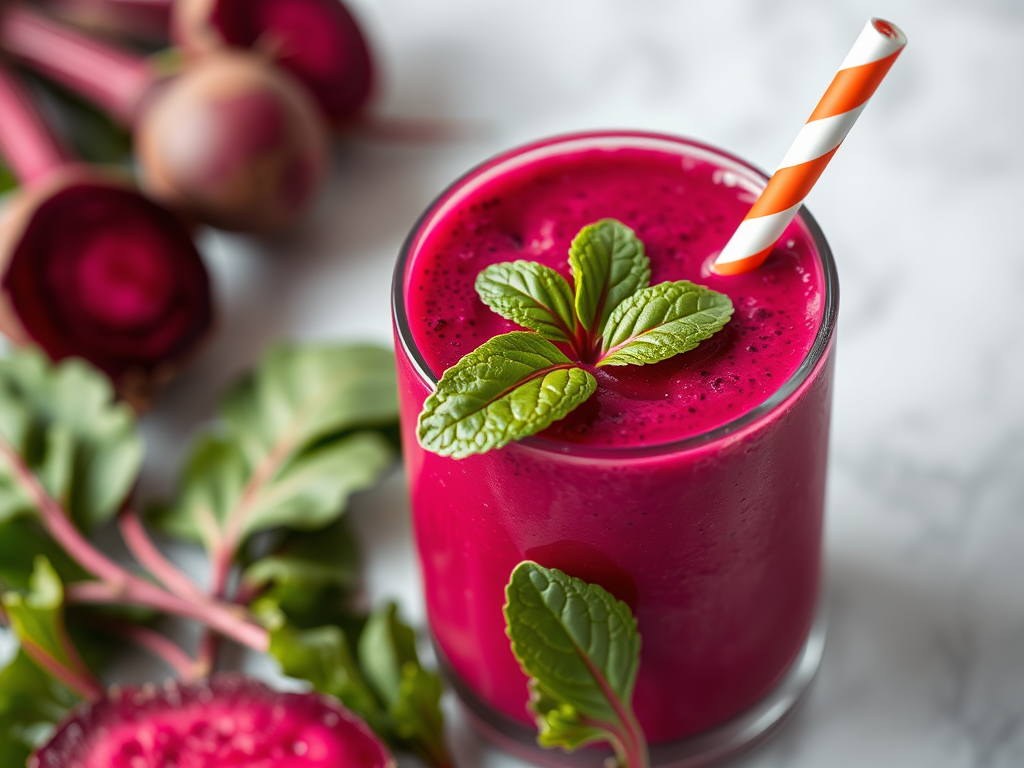
Let’s explore two delicious ways to add these beetroot into your daily routine:

Energizing Beetroot Power Smoothie

 1 banana

– 2 tablespoons beetroot powder

– 1 cup almond milk

– 1 tablespoon honey

– 1 cup spinach

– 1/2 cup frozen berries

– 1 scoop vanilla protein powder

Instructions:

1. Combine all ingredients in a blender

2. Blend until smooth

3. Serve immediately

Nutritional Facts (per serving):

– Calories: 280

– Protein: 20g

– Carbs: 45g

– Fiber: 7g

– Iron: 4.5mg

 Citrus Beet Juice

Ingredients

– 2 medium-sized beets

– 1 orange

– 1 lemon

– 1 apple (optional, for added sweetness)

– 1 piece of ginger (optional, for a kick)

– 1-2 cups of water (as needed)

Instructions:

1. Wash and Peel:

   – Thoroughly wash the beets, orange, lemon, and optional apple and ginger.

   – Peel the beets, orange, lemon, and ginger.

2. Chop:

   – Cut the beets, orange, lemon, apple, and ginger into small pieces to make blending easier.

3. Blend:

   – Place the chopped beets, orange, lemon, apple, and ginger into a blender.

   – Add a cup of water to help with the blending process.

   – Blend until smooth. Add more water if needed to reach your desired consistency.

4. Strain:

   – Pour the blended mixture through a fine mesh strainer or cheesecloth into a bowl to remove the pulp.

   – Use a spoon to press down on the pulp to extract as much juice as possible.

5. Serve:

   – Pour the strained juice into a glass and enjoy immediately!

   – You can chill the juice in the refrigerator if you prefer it cold.

Nutritional Facts (per serving):

– Calories: ~120

– Carbohydrates: ~28g

– Fiber: ~2g (less if strained)

– Sugars: ~18g

– Protein: ~2g

– Fat: ~0.5g

– Vitamin C: ~60% of the Daily Value (DV)

– Folate: ~20% of the DV

– Potassium: ~15% of the DV

This citrus-infused beet juice offers a refreshing and tangy twist to the classic beet juice, packed with vitamins and antioxidants. Enjoy experimenting with different ingredients to find your perfect blend.


 Performance and Health Benefits

Both forms offer impressive benefits for athletic performance and overall health. Beetroot powder has gained popularity as a pre-workout supplement. Many athletes use it to boost nitric oxide levels. This boost improves stamina and aids muscle recovery. The concentrated nature of the powder makes it easier to consume a performance-enhancing dose before exercise.

Whole beet juice, however, might have an edge when it comes to blood pressure regulation and heart health. The natural compounds in fresh juice are readily absorbed, potentially making them more effective for cardiovascular benefits. Studies have shown that both forms can help lower blood pressure. Fresh juice might have a slight advantage due to its natural cofactors that aid absorption.

Cost Considerations

When comparing costs, beetroot powder seems more expensive upfront, but it often works out more economically per serving. A high-quality organic beetroot powder from Amazon typically costs $15-25 for a month’s supply. The convenience factor also adds value for many users.

Fresh beet juice can be more expensive when bought pre-made. The cost is usually $5-8 per bottle. Alternatively, home preparation requires investment in a good juicer, which typically costs $100 or more. However, making your own juice from fresh beets is generally the most cost-effective option. You just need to be willing to put in the time.

The Verdict: Which Should You Choose?

The answer largely depends on your lifestyle and health goals.

Choose beetroot powder

  • You need a convenient, portable option
  • You’re focusing on athletic performance
  • You want a longer shelf life
  • You prefer controlled dosing

Choose whole beet juice

  • You value fresh, whole food sources
  • You have time for preparation
  • You’re focusing on immediate absorption
  • You enjoy the process of juicing


Conclusion

Remember, there’s no one-size-fits-all answer. Many health enthusiasts use both forms. They use beetroot powder for convenience and workout support. Fresh beetroot juice is for overall health benefits. The most important factor is consistency in whichever form you choose.

You’re sprinkling beetroot powder in your morning coffee. Alternatively, you may be juicing fresh beets for an afternoon boost. Either way, you’re taking a positive step for your health. Both forms offer unique advantages. Understanding these differences helps you make the best choice for your personal needs and lifestyle.

Remember to start slowly with either form and pay attention to how your body responds. While both are generally safe, some people might experience temporary side effects. Some side effects are pink urine (don’t be alarmed!). Remember to consult your primary health provider before embarking on a new diet.



hydration

Break Free: The Life-Changing Truth About Sugary Drinks

Here’s something that will surprise you. That daily soda habit isn’t just affecting your waistline. It is shortening your life. I know, it sounds dramatic, but recent research from Harvard University tells us something pretty shocking. If you’re drinking two or more sugary drinks every day, you’re 31% more to face early cardiovascular problems. That’s a number that made me sit up and take notice, and I bet it caught your attention too.

Affiliate Disclaimer :  Some of the links in this website https://www.healthydrinks4you.com are affiliate links. As an Amazon Associate, I earn from qualifying purchases. Regardless, this website only recommends products or services that will add value to the readers.

TABLE OF CONTENTS

  1. Proven Strategies to Break Free from Sugary Drinks
  2. Master the Art of Drinking More Water: Expert Tips
  3. Low Sugar Beverage Options
  4. Conclusion

Sugary drinks are still the top source of added sugar in American diets. Think about that for a moment. It’s not candy or desserts – it’s what we’re drinking that’s causing the biggest sugar spike in our daily lives. The situation with children is particularly worrying. Most children and teenagers are drinking around 12 ounces of sugary drinks every single day. Now, compare that to what doctors recommend: just 8 ounces per week. Yes, you read that right – per week, not per day. Organizations like the American Academy of Pediatrics are pushing for soda taxes. They also advocate for stricter rules on how these drinks are advertised to children.

But here’s the good news: you don’t have to wait for new laws or regulations to make a change. You can start transforming your drinking habits today, and I’m going to show you exactly how to do it. Let’s break this down into two main parts. First, learn how to cut back on sugary drinks. Then, discover how to make water your new best friend.

Alarming Health Risks: Why Sugar is Stealing Your Future

Recent research from Harvard University revealed a startling truth. Consuming just two sugary drinks daily increases your risk of early death from cardiovascular disease by 31%. This isn’t just another health statistic. It’s a wake-up call about how our everyday choices affect our longevity and quality of life.

The impact of liquid sugar on our bodies is particularly worrying because of how quickly it enters our bloodstream. When you drink a sugary beverage, your body experiences a rapid spike in blood sugar levels. This forces your system to work overtime to process it. Eating an apple or orange is different. The fiber in these fruits helps slow down sugar absorption. However, liquid sugar hits your system all at once.

What’s especially troubling is how this affects our children. Today’s children and teenagers consume about 12 ounces of sugary drinks every day. This amount far exceeds the recommended maximum of 8 ounces per week. This overconsumption during crucial developmental years sets the stage for potential health problems later in life. It’s no wonder the American Academy of Pediatrics has taken a strong stance, advocating for soda taxes and advertising regulations.

Picture this: a single can of soda contains between 7 to 10 teaspoons of sugar. Now, compare that to the American Heart Association’s daily recommended limit: 9 teaspoons for men and 6 for women. One drink, and you’ve exceeded your entire day’s sugar allowance.

Proven Strategies to Break Free from Sugary Drinks

Breaking free from sugary drinks isn’t about willpower alone – it’s about understanding and outsmarting your habits. The first step is becoming a label detective. Many beverages masquerade as healthy choices while harboring surprising amounts of sugar. Even seemingly nutritious options like fruit juices can contain as much sugar as a soda. However, they do offer some vitamins in return.

Understanding your personal triggers is crucial for success. Do you automatically reach for a soda during movie night? Or maybe you’ve made sports drinks your post-workout ritual? Identifying these patterns helps you prepare different strategies before cravings hit.

Here’s an effective approach: start by tracking your sugary drink consumption for a week. Note when, where, and why you reach for these beverages. This information becomes your roadmap for change. If afternoon fatigue sends you to the vending machine, plan to have a green tea ready instead. If the morning rush leads you to grab quick drinks from coffee shops, try preparing overnight oats. Add cinnamon for a naturally sweet energy boost.

The key is replacing, not just removing. When you eliminate a habit, you need to fill that space with something else. This is where creativity comes into play. If you enjoy the fizz of soda, sparkling water with a splash of fruit juice can satisfy that craving. If you’re drawn to sweet tastes, try naturally sweet herbal teas or water infused with fresh fruit.

Master the Art of Drinking More Water: Expert Tips

Now, let’s transform water from a boring necessity into your beverage of choice. The secret lies in making water more convenient and appealing than any other drink option. This isn’t about forcing yourself to chug glasses of plain water – it’s about creating a sustainable, enjoyable new habit.

Start by setting up your environment for success. Place water bottles strategically throughout your day – by your bed, at your desk, in your car. Think of it as creating “water stations” that make choosing water the easiest option available. A good rule of thumb is to aim for half an ounce of water per pound of body weight daily. However, don’t get too caught up in exact measurements.

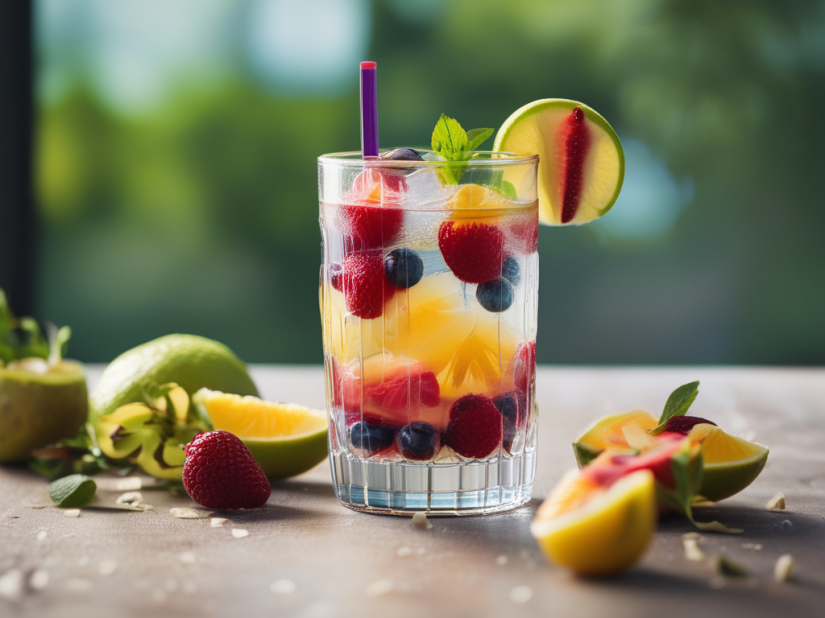
Transform ordinary water into something special by experimenting with natural flavors. Fresh mint leaves, cucumber slices, or a combination of berries can turn plain water into a refreshing treat. Create different combinations for different times of day – citrus-infused water for morning energy and lavender-mint for evening relaxation.

Low Sugar Beverage Options

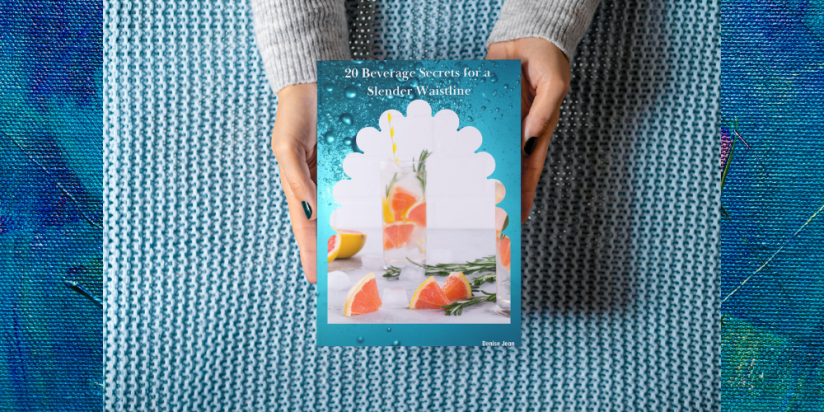
 Looking for vegan, organic, low sugar beverage ideas that can help you reach your health goals? I’ve got you covered! Start by learning secrets crafted from the freshest and healthiest fruits, vegetables, and other natural ingredients. They are perfect if you’re looking to pick up some healthy habits. Enjoy delicious, guilt-free drinks without ever worrying about calorie-filled sugary drinks! Get ready to enjoy the best vegan, organic, low calorie, and healthy beverages. Discover these with 20 Beverage Secrets for a Slimmer Waist!

Conclusion

The journey to breaking free from sugary drinks is personal, and your path can look different from others. What matters is making consistent progress, no matter how small each step seems. Every time you choose water over a sugary drink, you’re making a healthier choice. You’re also investing in your future self.

Remember that hydration isn’t just about what you drink. Add water-rich foods into your diet like cucumber, watermelon, and leafy greens. These foods not only help with hydration but also provide essential nutrients and fiber that help stabilize blood sugar levels.

Start today by choosing one small change from the strategies we’ve discussed. Maybe it’s preparing a pitcher of fruit-infused water for tomorrow or simply adding more ice to your current drinks. Remember, the journey to better health isn’t about perfection – it’s about progress, one sip at a time.


hydration

Hydration Hacks: From Fruity Infusions to Nutrient-Packed Smoothies

Berry infused water

We all know that staying hydrated is crucial for our health, but did you know there’s more to hydration than just chugging water? While water is undoubtedly important, there are many delicious and exciting ways to keep your body hydrated. In this post, we’ll explore various hydration hacks and healthy drinks that’ll make staying hydrated a breeze!

Why Hydration Matters

Before we dive into the tasty alternatives, let’s talk about why hydration is so important. Our bodies are made up of about 60% water, and it plays a vital role in nearly every bodily function. From regulating body temperature to helping digest food, water is essential.

When you don’t get enough fluids, you might experience signs of dehydration like:

  • Feeling thirsty
  • Having a dry mouth
  • Feeling tired or dizzy
  • Having dark yellow urine

On the flip side, proper hydration can boost your energy, improve your skin, and even help you think more clearly. So, let’s look at how to hydrate effectively!

Water: The Classic Choice

Woman drinking water

Water is the go-to for hydration, and for good reason. It’s calorie-free, readily available, and does the job perfectly. But if you find plain water boring, try these tips to make it more appealing:

  1. Infuse it with fruits like lemon, strawberries, or cucumber
  2. Try sparkling water for a fizzy kick
  3. Experiment with different temperatures – some people prefer ice-cold water, while others like it at room temperature

Fruity Alternatives

Fruits are not only delicious but also great for hydration. Many fruits have high water content and can contribute to your daily fluid intake. Here are some top hydrating fruits:

  • Watermelon: This summer favorite is 92% water and packed with vitamins.
  • Cucumbers: Technically a fruit, cucumbers are 96% water and super refreshing.
  • Citrus fruits: Oranges, grapefruits, and lemons are juicy and full of vitamin C.
  • Berries: Strawberries, blueberries, and raspberries are hydrating and antioxidant-rich.
  • Coconut water: Nature’s sports drink, it’s full of electrolytes and naturally sweet.

Veggie Options

Don’t forget about vegetables! Many veggies are surprisingly high in water content and make for great hydrating snacks. Try these:

  • Celery: Crunchy and refreshing, celery is 95% water.
  • Lettuce: All types of lettuce are very hydrating, especially iceberg.
  • Zucchini: This versatile veggie is 94% water and great in salads or grilled.
  • Bell peppers: Colorful and crunchy, they’re 92% water and rich in vitamins. Bell peppers contain over 169% of daily vitamin C requirements.

Learn more about why vitamin C is so important to your health in free Vitamin C report :

Get Your Free Copy Of Vitamin C Report.

Dairy and Plant-Based Milk Alternatives

Milk and milk alternatives can be excellent sources of hydration. They also provide additional nutrients like calcium and vitamin D. Consider these options:

  • Milk: Regular cow’s milk is about 87% water and packed with nutrients.
  • Yogurt drinks: Creamy and hydrating, they also provide probiotics for gut health.
  • Almond milk: A plant-based option that’s low in calories and naturally hydrating.
  • Coconut milk: Another plant-based choice that’s rich and refreshing.

Teas and Herbal Infusions

Contrary to popular belief, tea can be a great way to hydrate. While caffeine can have a mild diuretic effect, the water in tea more than makes up for it. Here are some hydrating options:

  • Green tea: Packed with antioxidants and less caffeine than coffee.
  • Herbal teas: Options like peppermint or chamomile are caffeine-free and very hydrating.
  • Iced tea: A refreshing way to hydrate, especially on hot days.
  • Fruit-infused teas: Add a slice of lemon or some berries for extra flavor.

Besides hydration, many teas offer additional health benefits like boosting immunity or aiding digestion.

Hydrating Smoothies and Shakes

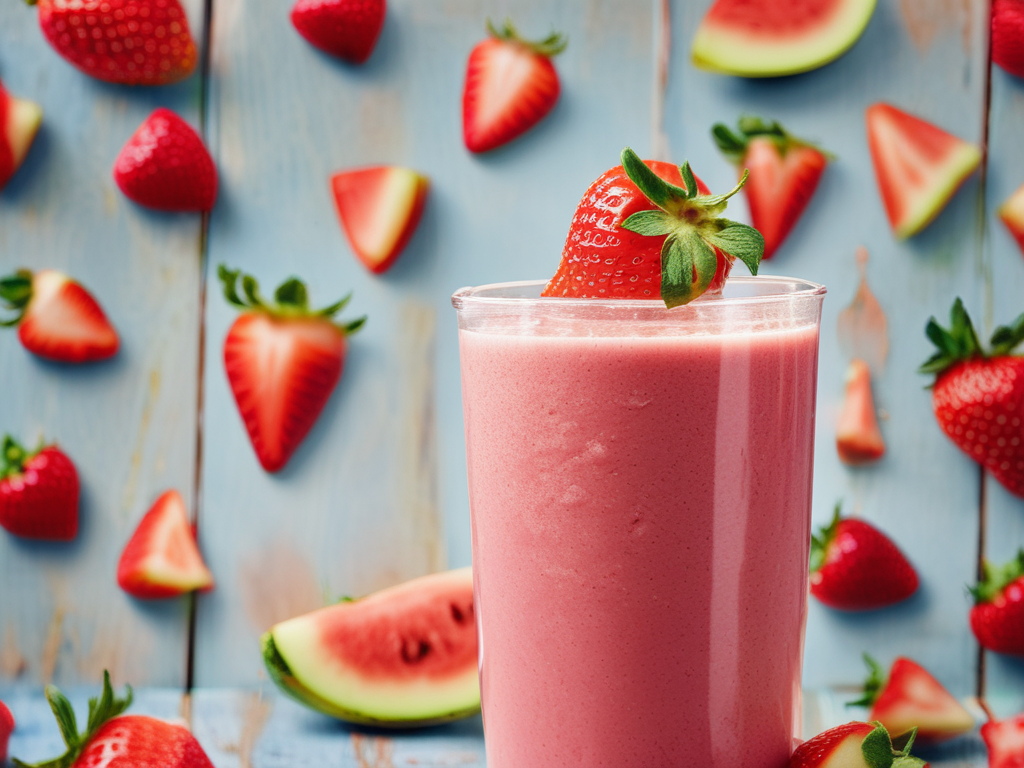
Strawberry Watermelon Smoothie

Smoothies are a fantastic way to combine hydration with nutrition. Here’s a basic formula for a hydrating smoothie:

  1. Liquid base (water, coconut water, or plant milk)
  2. Hydrating fruits (like watermelon, berries, or citrus)
  3. Hydrating veggies (like cucumber or spinach)
  4. Optional: yogurt for creaminess and extra hydration

Try this hydrating smoothie recipe:

  • 1 cup coconut water
  • 1 cup watermelon chunks
  • 1/2 cucumber
  • Handful of spinach
  • 4-5 frozen strawberries
    Blend until smooth and enjoy!

Soups and Broths

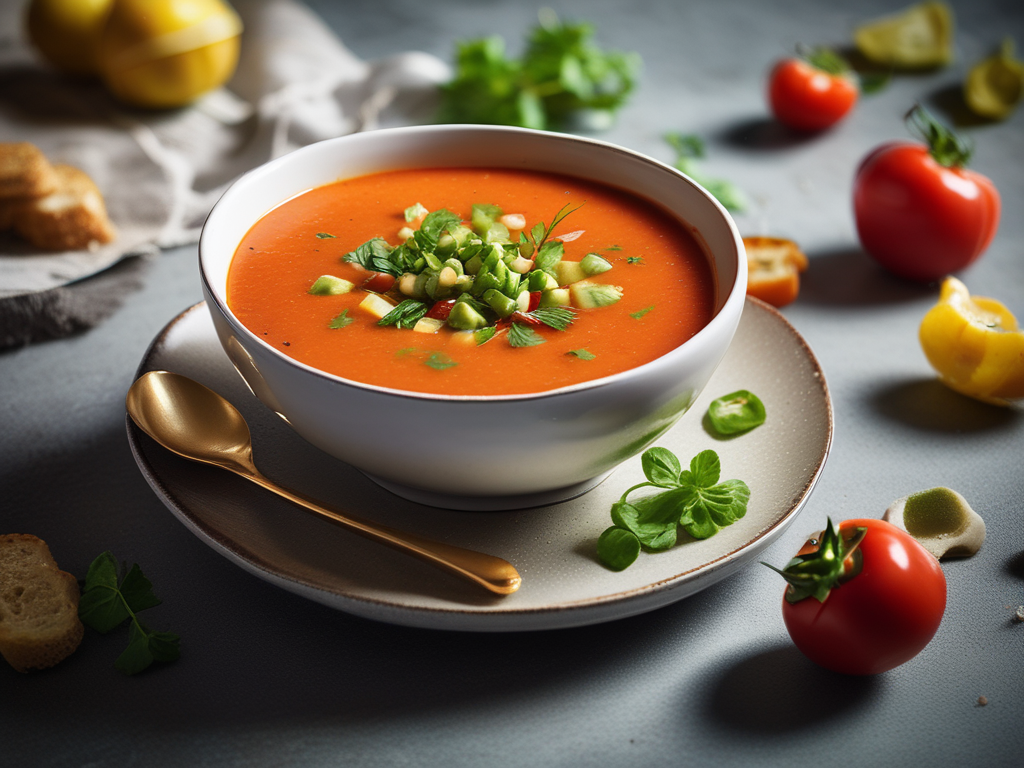
Gazpacho soup

Don’t forget about soups! They’re not just for cold weather. Consider these hydrating options:

  • Clear broths: Chicken or vegetable broth can be very hydrating and comforting.
  • Vegetable-based soups: Packed with nutrients and water, they’re a great way to hydrate.
  • Cold soups: Try gazpacho or cucumber soup for a refreshing summer meal.

Sports Drinks and Electrolyte Solutions

While water is usually sufficient for everyday hydration, sometimes you might need an extra boost, especially during intense exercise or illness. Sports drinks can help replace electrolytes lost through sweat. However, many commercial sports drinks are high in sugar.

Here’s a simple recipe for a homemade electrolyte drink:

  • 2 cups water
  • 1/4 cup fresh lemon or lime juice
  • 1/8 teaspoon sea salt
  • 2 tablespoons honey

Mix all ingredients until the honey dissolves. This natural version provides electrolytes without excess sugar.

Tips for Staying Hydrated Throughout the Day

  1. Set reminders on your phone to drink regularly.
  2. Carry a reusable water bottle with you everywhere.
  3. Eat hydrating snacks like cucumber slices or watermelon chunks.
  4. Monitor your urine color – it should be pale yellow. If it’s dark, you need more fluids.

Common Hydration Myths Debunked

Let’s clear up some common misconceptions about hydration:

  1. The “8 glasses a day” rule: While it’s a good general guideline, your needs may vary based on factors like activity level, climate, and diet.
  2. Caffeine always dehydrates you: Moderate caffeine intake doesn’t significantly impact hydration for regular consumers.
  3. Thirst is the best indicator of dehydration: By the time you feel thirsty, you’re already mildly dehydrated. It’s better to drink regularly throughout the day.

Conclusion

Staying hydrated doesn’t have to be boring! With these hydration hacks and healthy drinks, you can easily meet your fluid needs while enjoying a variety of delicious options. Remember, the key to good hydration is consistency. Find the methods that work best for you and make them a part of your daily routine. Your body will thank you!

So, which of these hydration methods are you excited to try? Whether it’s spicing up your water with fruit infusions, blending hydrating smoothies, or sipping on herbal teas, there’s a world of tasty possibilities waiting for you. Cheers to staying hydrated in style!

health

Sip Your Way to a Healthier Lifestyle with Low-Sugar Drinks

Looking to cut down on your sugar intake without sacrificing flavor?  In this article, I have compiled a list of thirst satisfying low-sugar drink options that supports a healthier lifestyle. Whether you’re a fan of fruit-infused water, herbal teas, or sparkling beverages, you are covered.

TABLE OF CONTENTS

  1. The dangers of sugar consumption
  2. Understanding how high sugar drinks affects your health
    1. The importance of reading labels and choosing wisely
  3. Benefits of low-sugar drink options
  4. Popular low-sugar drink options
  5. Homemade low-sugar drink recipes
    1. Tips for reducing sugar consumption
    2. Incorporating low-sugar drinks into your daily routine
  6. Conclusion

Say goodbye to sugary sodas and welcome refreshing alternatives that won’t leave you feeling guilty. Filled with essential vitamins, minerals, and antioxidants, these drinks offer a burst of flavor without the excessive sugar content. Perfect if you are watching your weight or managing health conditions such as diabetes. 

So, why not prioritize your well-being without compromising on taste? Let’s examine an array of delicious beverages that will keep you hydrated and energized throughout the day. Get ready to sip your way to a healthier lifestyle!

The dangers of sugar consumption

Take Caution Consuming Sugar

Sugar consumption has been linked to a range of health issues, including obesity, type 2 diabetes, heart disease, and tooth decay. When we consume too much sugar, our bodies convert it into fat, leading to weight gain and an increased risk of chronic diseases. High sugar drinks, such as soda, energy drinks, and fruit juices, are major contributors to our daily sugar intake.

It’s important to be aware of the hidden sugars in these beverages, as they can add up quickly. Many sodas and fruit juices contain as much sugar as a candy bar, and even seemingly healthy options like smoothies can be packed with added sugars. By making a conscious effort to reduce our sugar intake, we can take control of our health and make positive changes.

Understanding how high sugar drinks affects your health

High sugar drinks not only lead to weight gain and the risk of chronic diseases but also have a negative impact on our overall health. These sugary beverages are often high in calories but provide little to no nutritional value. They can lead to energy crashes, spikes in blood sugar levels, and increased cravings for more sugary foods and drinks.

Additionally, the excessive sugar in these drinks can wreak havoc on our teeth. The bacteria in our mouths feed on the sugars, producing acid that erodes tooth enamel and leads to cavities. Over time, this can result in tooth decay and a host of dental problems.

By choosing low-sugar drink options, we can avoid these negative health effects and still enjoy delicious and refreshing beverages.

The importance of reading labels and choosing wisely

When it comes to choosing low-sugar drinks, reading labels is crucial. Many beverages marketed as “healthy” or “natural” can still contain a surprising amount of added sugars. By familiarizing yourself with common sugar aliases and learning to decipher nutrition labels, you can make informed choices and avoid hidden sugars.

Look out for terms like “high-fructose corn syrup,” “cane sugar,” “dextrose,” “maltose,” “fruit juice concentrate,” or any ingredient ending in “-ose.” These are all indicators of added sugars. Additionally, pay attention to the serving size and total sugar content per serving.

By being mindful of the ingredients and sugar content, you can choose low-sugar drink options that align with your health goals and preferences.

Benefits of low-sugar drink options

Opting for low-sugar drink options offers numerous benefits for our health and well-being. Firstly, these beverages are typically lower in calories, making them a great choice for those looking to manage their weight. By swapping out high sugar drinks for low-sugar alternatives, we can significantly reduce our calorie intake without sacrificing taste.

Many low-sugar drinks are also rich in essential vitamins, minerals, and antioxidants. For example, fruit-infused water can provide a burst of flavor and hydration while delivering the natural goodness of fruits. Herbal teas, such as chamomile or green tea, are packed with antioxidants that support immune health and reduce inflammation. These beverages offer a refreshing way to quench our thirst while nourishing our bodies.

Moreover, low-sugar drinks can help stabilize blood sugar levels and reduce the risk of developing type 2 diabetes. By avoiding the sugar spikes associated with high sugar drinks, we can maintain more stable energy levels and minimize the risk of insulin resistance.

Refreshing Coconut Water

1. Fruit-infused water: Infusing water with slices of fruits like cucumber, lemon, or berries adds a burst of flavor without the added sugars. This refreshing drink option is not only hydrating but also offers the natural vitamins and minerals found in fruits.

2. Herbal teas: Herbal teas are a great alternative to sugar-laden beverages. Not only do they come in a variety of flavors, but they also offer a range of health benefits. From calming chamomile to invigorating green tea, there’s a herbal tea to suit every taste.

3. Sparkling water with a twist: If you’re craving something fizzy, opt for sparkling water infused with a splash of fresh citrus juice or a few drops of natural flavor extracts. This allows you to enjoy the bubbles without the excessive sugar found in soda.

4. Coconut water: Coconut water is a naturally sweet and hydrating beverage that is low in calories and packed with electrolytes. It’s a great option for replenishing fluids after a workout or on a hot day.

5. Unsweetened iced tea: Iced tea can be a refreshing and low-sugar alternative to sugary drinks. Opt for unsweetened varieties and add a squeeze of lemon or a few drops of liquid stevia for a hint of sweetness.

These are just a few examples of the many low-sugar drink options available. Get creative and explore different flavors and combinations to find your favorites.

Stay tuned for the next section, where we will share some homemade low-sugar drink recipes that you can easily make at home.

Homemade low-sugar drink recipes

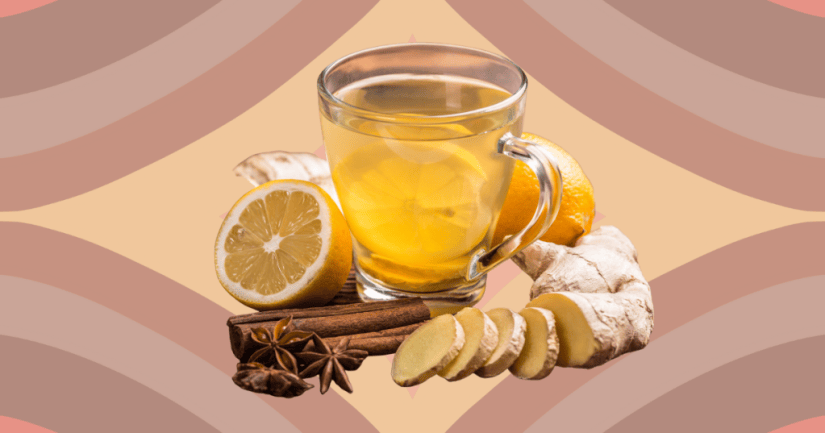
Lemon Ginger Tea

Making your own low-sugar drinks at home gives you complete control over the ingredients and allows you to customize flavors to your liking. Here are a few simple and delicious recipes to try:

1. Watermelon Mint Cooler: Blend fresh watermelon chunks with a handful of mint leaves and a squeeze of lime. Strain the mixture and serve over ice for a refreshing and hydrating summer drink.

2. Ginger-Lemon Iced Tea: Brew a pot of your favorite tea (black, green, or herbal) and let it cool. Add freshly grated ginger and a squeeze of lemon juice. Sweeten with a few drops of liquid stevia, if desired, and serve over ice.

3. Cucumber-Lime Spritzer: Slice a cucumber and muddle it in a glass with fresh lime juice. Fill the glass with sparkling water and add ice cubes for a light and refreshing drink.

Feel free to experiment with different fruits, herbs, and flavors to create your own unique low-sugar drink recipes. The possibilities are endless!

Tips for reducing sugar consumption

Reducing sugar consumption in drinks doesn’t have to be tough. With a few simple tweaks, you can reduce your sugar consumption and enjoy flavorful beverages. Here are some tips to get you started:

1. Read labels: When purchasing packaged drinks, read the labels carefully and opt for options with little to no added sugars. Be wary of terms like “natural sweeteners” or “fruit juice concentrate,” as these can still contribute to high sugar content.

2. Choose unsweetened: Whenever possible, choose unsweetened versions of your favorite drinks. This includes options like unsweetened almond milk, unsweetened iced tea, and unsweetened sparkling water. You can always add natural flavorings or a touch of sweetness yourself, if desired.

3. Gradually reduce sweetness: If you’re used to consuming highly sweetened beverages, start by gradually reducing the amount of sugar or sweetener you add. Over time, your taste buds will adjust, and you’ll find that you need less sweetness to enjoy your drinks.

4. Opt for natural sweeteners: When you do need to add sweetness to your drinks, opt for natural sweeteners like stevia, monk fruit, or raw honey. These alternatives provide sweetness without the negative health effects of refined sugar.

5. Make it yourself: By making your own drinks at home, you have full control over the ingredients and can avoid added sugars. Invest in a good quality blender or juicer to create your own fruit smoothies, vegetable juices, or infused waters.

Incorporating low-sugar drinks into your daily routine

Now that you have a variety of low-sugar drink options and sugar reducing tips, let’s  bring this all together:

1. Start your day with a low-sugar beverage: Instead of reaching for a sugary coffee or juice in the morning. Great alternatives are fruit-infused water, herbal tea, or a homemade smoothie with minimal added sweeteners.

2. Carry a water bottle: Keep a reusable water bottle with you throughout the day and refill it regularly. This will encourage you to stay hydrated and avoid reaching for sugary drinks when you’re thirsty.

3. Swap out sugary drinks: Whenever you feel the urge to reach for a sugary soda or energy drink, choose a low-sugar alternative instead. This simple swap can make a big difference in your overall sugar intake.

4. Experiment with flavors: Don’t be afraid to try new flavors and combinations. Get creative by adding fresh herbs, spices, or a squeeze of citrus juice to your drinks. This will keep your taste buds satisfied and prevent boredom.

5. Plan ahead: If you know you’ll be dining out or attending an event where sugary drinks are likely to be served, plan ahead and bring your own low-sugar beverage. This way, you can still enjoy a flavorful drink without compromising your health goals.

Conclusion

Incorporating low-sugar drink options into your daily routine is a simple yet powerful step towards a healthier lifestyle. By choosing low sugar beverages, you can quench your thirst and support your overall well-being.

From fruit-infused water to herbal teas and homemade creations, there are countless low-sugar drink options to explore. By experimenting with flavors and finding what works best for you, you can make low-sugar drinks an enjoyable part of your daily life.

Remember to read labels, make informed choices, and gradually reduce your sugar intake. Small changes can lead to significant improvements in your health over time.

So, why not start today? Sip your way to a healthier lifestyle with these delicious and guilt-free low-sugar drink options. Your taste buds and your body will thank you!

health

Top 5 Herbal Teas For Detox

Disclaimer: Herbal teas are generally safe. However, it’s always a good idea to consult with your healthcare professional. Do this before making any significant dietary changes.

Drinking tea is a favorite pastime of many, one that many ancient cultures partook in. A new trend in tea drinking is the blending of detox teas. People use them to lose weight. Others use them for an internal cleanse. Detox teas can speed up weight loss and can assist in elimination of toxins for healthier organs. 

Table Of Contents

  1. Dandelion Tea
  2. Milk Thistle
  3. Rosehip tea
  4. Ginger tea
  5. Conclusion

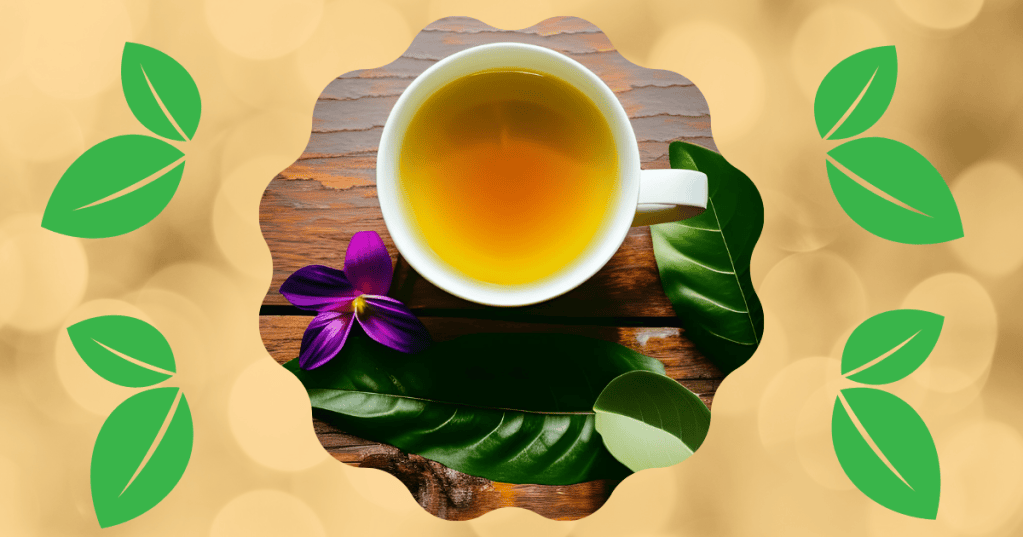
Detox teas contain nutrients. They can assist with weight loss and detox by increasing the metabolism. They also enhance the body’s ability to release fat. One of the most important aspects of detox is the cleansing of the liver. Detox teas can curb hunger cravings and can allow the metabolism to burn calories more quickly. These teas are a great addition to an exercise routine. They help reset digestion and allow the gut flora to repopulate. 

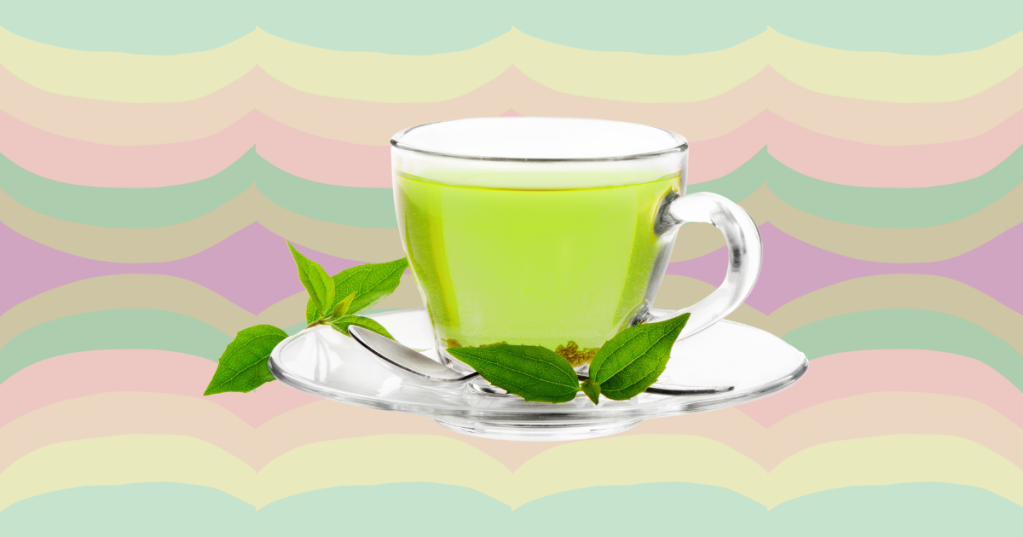
Green tea is a famous tea that has been used for thousands of years as a medicinal substance. It is lightly caffeinated and is full of antioxidants which help to remove free radicals from the body. Green tea is high in a catechin called EGCG which helps the body burn fat more rapidly. 

How to prepare and enjoy:

  • 1. Boil water and allow it to cool slightly.
  • 2. Place a green tea bag or loose-leaf tea in a cup.
  • 3. Pour the hot but not boiling water over the tea and steep for 2-3 minutes.
  • 4. Avoid over steeping to prevent bitterness.
  • 5. Remove the tea bag or strain the leaves and savor the fresh and grassy flavors of green tea.
  • 6. Drink it plain or add a touch of honey for sweetness.

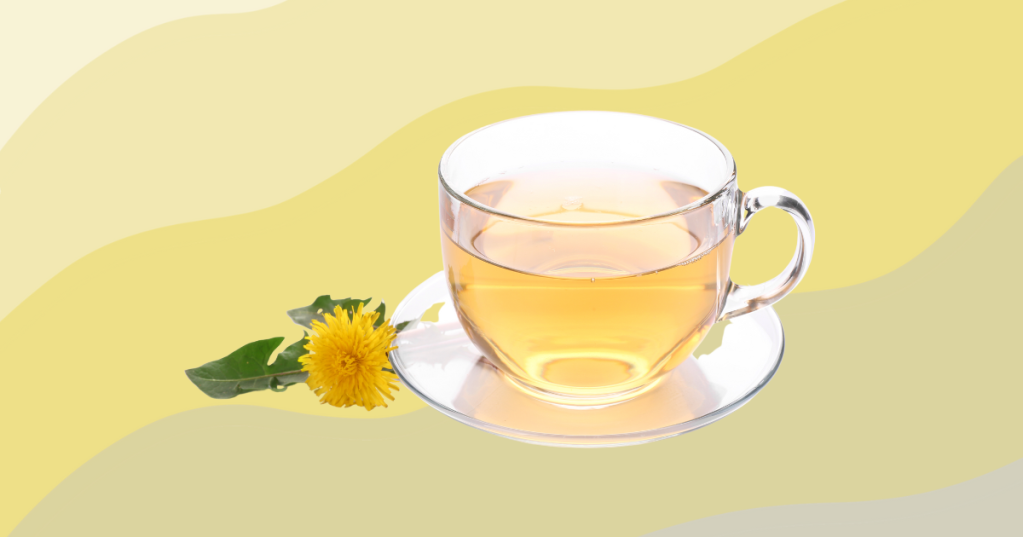
Dandelion Tea

This tea is made of the roots of the dandelion plant. It is used in traditional medicines to resolve digestive issues. It also helps cleanse the liver and acts as a diuretic. Dandelion is used as a liver cleanser. It aids in the removal of toxins. It helps restore the liver to its natural function. 

How to prepare and enjoy :

  • 1. Gather a dandelion root or use a pre-packaged dandelion tea bag.
  • 2. For a homemade brew, clean and chop the dandelion root into small pieces.
  • 3. Bring a pot of water to a boil and add the dandelion root or tea bag. 4. Let it steep for around 10-15 minutes to allow the flavors to infuse.
  • 5. Strain the tea into a cup, and if desired, add a touch of honey or lemon to enhance the taste.
  • 6. Sip and enjoy the earthy flavors of dandelion tea. It’s perfect for relaxation and detoxification.

Milk Thistle

Milk thistle tea is often paired with dandelion root for an ultimate liver flush. Milk thistle is made from the seed pods of the plant. Milk thistle contains Silymarin which assists the liver in removing toxins. Milk thistle can boost liver function and can even reduce the disease of liver cirrhosis. Drinking milk thistle tea helps the body remove toxins. It also protects the liver from damage caused by alcohol and toxic overload. 

How to prepare and enjoy :

  • 1. Gather milk thistle seeds or purchase pre-packaged milk thistle tea bags.
  • 2. Crush the milk thistle seeds lightly to release their flavors, or simply use tea bags.
  • 3. Boil water in a kettle and pour it into a cup.
  • 4. Place the crushed seeds or tea bag into the cup.
  • 5. Let it steep for around 10-15 minutes to allow the flavors to infuse.
  • 6. Optionally, you can add a touch of honey or lemon to enhance the taste.
  • 7. Sit back, relax, and enjoy the earthy and slightly bitter taste of milk thistle tea. It’s known for its liver-protective properties.

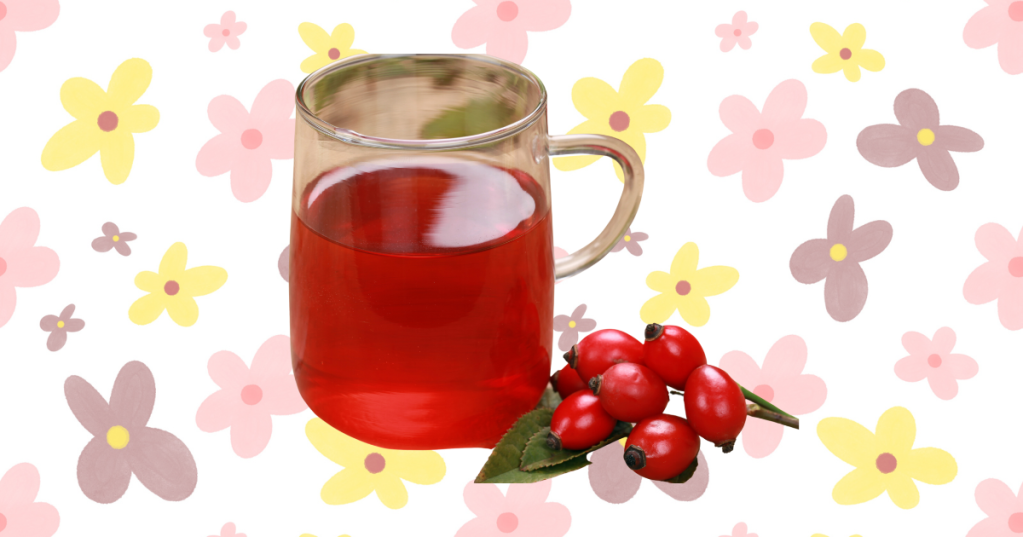
Rosehip tea

Rosehip tea is made from harvested blossoms of the plant. Orange or red berries appear after the bloom. You can add them to a tea with hot water for a subtle detox. Rosehips are high in antioxidants and can reduce fat levels. Rosehip tea is caffeine free and can be enjoyed throughout the day and at night. 

How to prepare and enjoy :

  • 1. Obtain dried rosehip shells or purchase rosehip tea bags.
  • 2. Bring water to a boil in a pot or kettle.
  • 3. Place the rosehip shells or tea bag into a cup.
  • 4. Pour the hot water over the rosehips or tea bag.
  • 5. Let it steep for approximately 5-10 minutes to extract the fruity flavors.
  • 6. Strain the tea into another cup if using loose rosehip shells or remove the tea bag.
  • 7. Sip and delight in the vibrant, tangy, and slightly sweet taste of rosehip tea. It’s packed with vitamin C and antioxidants.

Ginger tea

Ginger tea is a true detox powerhouse! This spicy herbal tea has a myriad of benefits when it comes to cleansing your body. First, ginger tea stimulates circulation, helping to improve blood flow and promote the elimination of toxins. It also aids in digestion, soothing the stomach and reducing bloating. Ginger itself contains powerful antioxidants that combat inflammation and oxidative stress, supporting your body’s natural detoxification processes.

How to enjoy and prepare :

  • 1. Begin by peeling and slicing a small piece of fresh ginger root.
  • 2. In a saucepan, bring water to a boil and add the ginger slices.
  • 3. Let it simmer for approximately 10-15 minutes to release the flavors.
  • 4. Strain the tea into a cup and sweeten with honey or a squeeze of lemon if desired.
  • 5. Brace yourself for the invigorating warmth and zingy taste of ginger tea.
  • 6. It’s ideal for promoting digestion and detoxification.

Conclusion

When doing a detox with tea, you can choose one or two teas. Alternatively, mix and match according to your flavor preference. Green tea is caffeinated. It may be more suitable in the morning. Dandelion root tea can also be a good substitute for people who are used to drinking coffee in the morning.

Lighter teas like rosehips and milk thistle can be great as an afternoon treat because they are bright and sweet. During a tea detox it is important to exercise regularly and to eat a very healthy diet. 

Eliminate sugars, dairy, gluten, and other stimulants to give the digestive system and liver a break in processing.

Remember, incorporating these herbal teas into your routine is just one piece of the detox puzzle. Stay hydrated, eat clean, and indulge in some self-care to truly reap the benefits.