

Powdered beetroot versus whole beet juice, which is better? This crimson vegetable offers more than just a delicious addition to meals, as more people are discovering. This post will examine beetroot powder health benefits compared to those of whole beet juice.
TABLE OF CONTENTS
- Understanding The Beetroot Difference
- Comparing the Nutritional Benefits
- Beetroot Powder or Beetroot Juice- Which Fits Your Life?
- Beetroot Drink Recipes
- Performance and Health Benefits
- Cost Considerations
- The Verdict: Which Should You Choose?
- Conclusion
Understanding The Beetroot Difference
Affiliate Disclaimer : Some of the links in this website https://www.healthydrinks4you.com are affiliate links. As an Amazon Associate, I earn from qualifying purchases. Regardless, this website only recommends products or services that will add value to the readers.
It’s important to understand what makes each beetroot form unique before comparing beetroot powder and whole beetroot juice.
Beetroot Powder
Beetroot powder is made from dried beetroots that are ground into a fine powder. Here’s a step-by-step process for making it:
- Selecting Beets: Choose fresh, ripe beetroots. The quality of the beets will impact the flavor and nutritional value of the powder.
- Cleaning: Wash the beets thoroughly to remove any dirt or debris.
- Peeling: Peel the beets to remove the skin. This step is optional, but it helps to get a smoother powder.
- Slicing: Cut the beets into thin slices or small pieces. The smaller the pieces, the faster they will dry.
- Drying: Dry the beet slices using one of these methods:
- Dehydrator: Place the beet slices in a dehydrator and dry at 135°F (57°C) for 8-12 hours. Or until completely dry and brittle.
- Oven: Place the beet slices on a baking sheet and dry them in an oven set to around 140°F or 60°C. Turning the beet slices occasionally to ensure even drying.
- Air Drying: Lay the beet slices on a clean surface in a single layer and let them air dry in a warm, dry place for several days, turning them occasionally.
- Grinding: Once the beet slices are completely dry, grind them into a fine powder using a blender, coffee grinder, or food processor.
- Sifting: Sift the powder through a fine mesh sieve to remove any larger particles.
- Storing: Store the beetroot powder in an airtight container in a cool, dark place. Properly stored, it can last for several months.
Tips for Using Your Dehydrator
- Pre-Treatment: While it’s not necessary, soaking beet slices in lemon juice or blanching them briefly can help preserve color and enhance flavor.
- Uniform Slicing: Try to slice beets evenly for consistent drying times. Using a mandoline slicer can help achieve uniform thickness.
- Spacing: Place the beet slices on the trays with enough space between them to allow for good airflow. Use parchment paper to prevent beet sticking to trays. Also, avoid overlapping the slices.
- Temperature Setting: Set the dehydrator to 135°F (57°C) when drying beet slices. This temperature is ideal for vegetables and helps retain their nutrients.
- Drying Time: Check the beet slices periodically. They should be completely dry and brittle, which can take 8-12 hours depending on slice thickness and humidity.
- Rotating Trays: If necessary, rotate the trays every few hours to ensure even drying, as the top-mounted fan ensures good circulation but may not be perfect.
- Storage: Once dried, let the beet slices cool completely before storing them in an airtight container. Keep them in a cool, dark place to maximize shelf life.
Whole Beet Juice
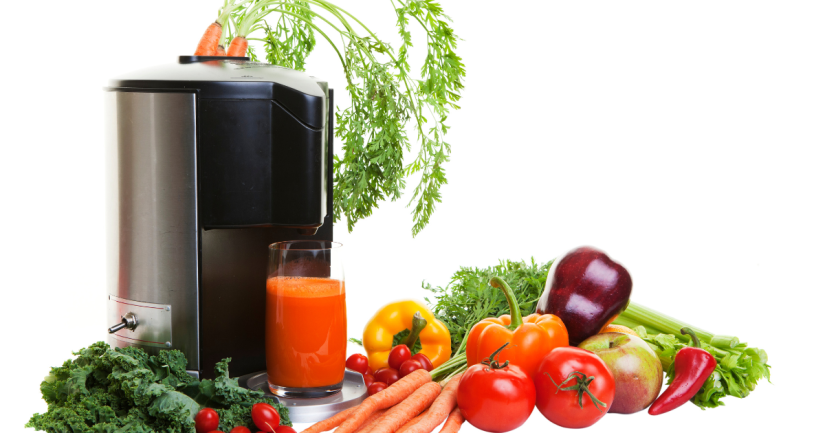
Making homemade beet juice is a simple and rewarding process that yields a vibrant and nutrient-rich drink. To start, thoroughly wash and peel 2-3 medium-sized beets. Consider adding optional ingredients like an apple, carrot, or a piece of ginger for extra flavor and nutrients. Chop the ingredients into small pieces and place them in a blender with 1-2 cups of water to aid blending. Blend the mixture until smooth. Then strain it through a fine mesh strainer or cheesecloth to remove the pulp. Press down to extract as much juice as possible. Pour the strained juice into a glass and enjoy it right away. Chill it in the refrigerator if you prefer a cold beverage. Adjust the ingredients to your taste and experiment with different combinations to create your perfect blend. Enjoy the fresh, homemade goodness of beet juice!
Comparing the Nutritional Benefits

When it comes to nutritional benefits, both beetroot forms pack a healthy punch, although delivered differently. There are studies published regarding beetroot health benefits. Beetroot powder provides a more concentrated dose of nutrients per serving. It is an efficient option for those seeking specific health benefits. A single tablespoon of organic beetroot powder contains approximately:
– Iron: 2.8mg (15% DV)
– Fiber: 3g
– Protein: 2g
– Calories: 35
– Potassium: 440mg
In contrast, whole beet juice provides a more natural and bioavailable form of nutrients. A cup (240ml) of fresh beet juice typically contains:
– Iron: 1.8mg
– Natural sugars: 13g
– Calories: 100
– Potassium: 920mg
– Vitamin C: 6%
Beetroot Powder or Beetroot Juice- Which Fits Your Life?

We all live busy lives and prefer healthy food options that fit our life. This is where beetroot powder often shines as a pre-workout supplement or daily health booster. You can easily carry it to the gym, add it to coffee, or mix it into smoothies. The extended shelf life of beetroot powder (typically 1-2 years) makes it a practical choice for those who value convenience.
By comparison, whole beet juice requires more commitment. If you are juicing fresh beets at home, consider storage and preparation time. Buying pre-made juice also requires consideration of storage and a shorter shelf life. However, many argue that this extra effort is worth it for the fresh, natural benefits.
Beetroot Drink Recipes
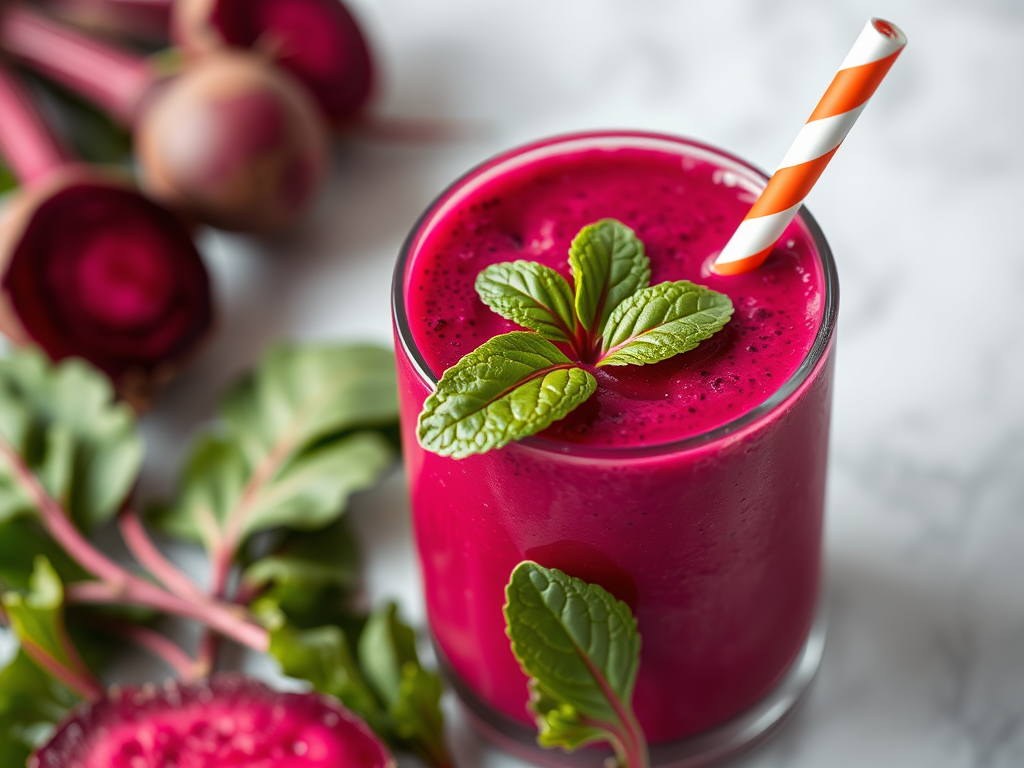
Let’s explore two delicious ways to add these beetroot into your daily routine:
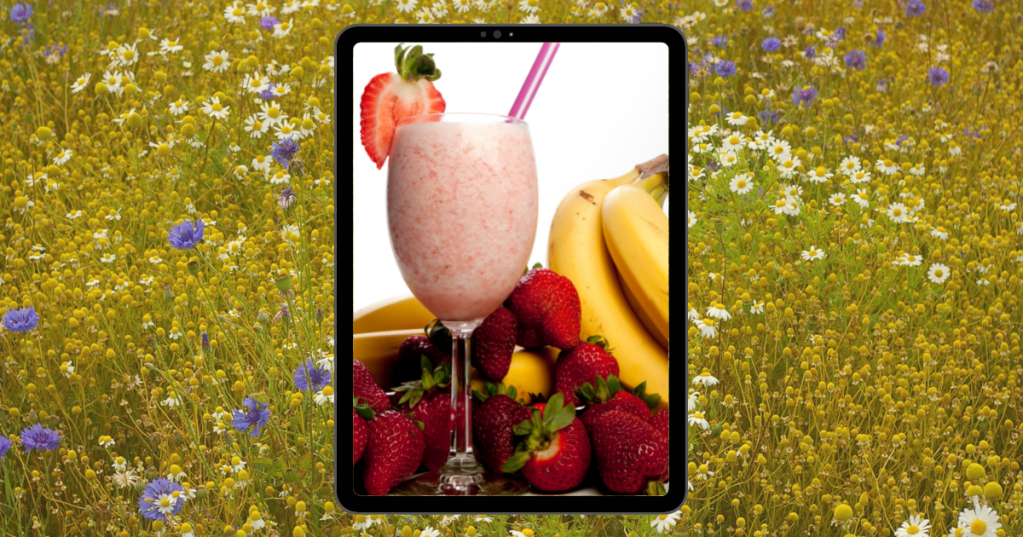
Energizing Beetroot Power Smoothie
1 banana
– 2 tablespoons beetroot powder
– 1 cup almond milk
– 1 tablespoon honey
– 1 cup spinach
– 1/2 cup frozen berries
– 1 scoop vanilla protein powder
Instructions:
1. Combine all ingredients in a blender
2. Blend until smooth
3. Serve immediately
Nutritional Facts (per serving):
– Calories: 280
– Protein: 20g
– Carbs: 45g
– Fiber: 7g
– Iron: 4.5mg
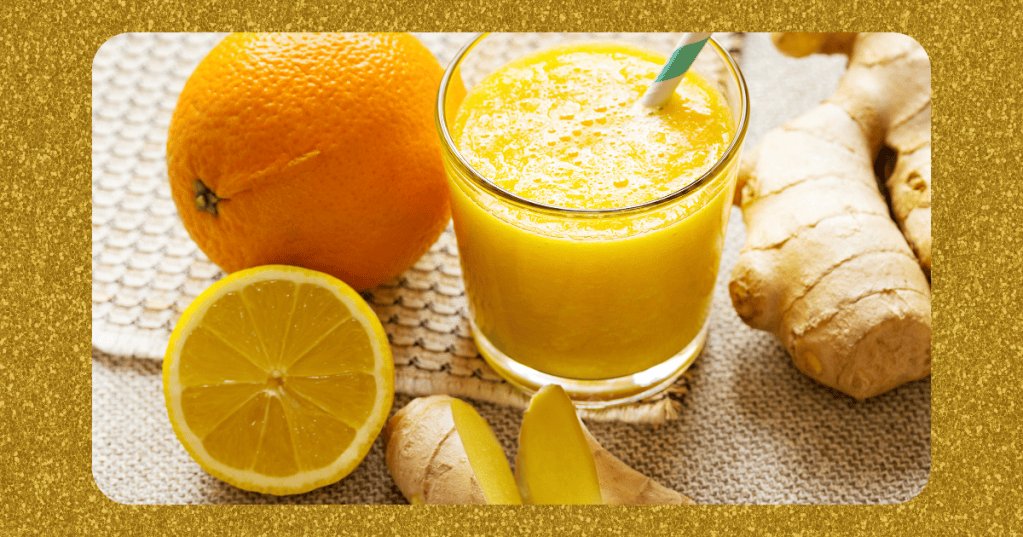
Citrus Beet Juice
Ingredients
– 2 medium-sized beets
– 1 orange
– 1 lemon
– 1 apple (optional, for added sweetness)
– 1 piece of ginger (optional, for a kick)
– 1-2 cups of water (as needed)
Instructions:
1. Wash and Peel:
– Thoroughly wash the beets, orange, lemon, and optional apple and ginger.
– Peel the beets, orange, lemon, and ginger.
2. Chop:
– Cut the beets, orange, lemon, apple, and ginger into small pieces to make blending easier.
3. Blend:
– Place the chopped beets, orange, lemon, apple, and ginger into a blender.
– Add a cup of water to help with the blending process.
– Blend until smooth. Add more water if needed to reach your desired consistency.
4. Strain:
– Pour the blended mixture through a fine mesh strainer or cheesecloth into a bowl to remove the pulp.
– Use a spoon to press down on the pulp to extract as much juice as possible.
5. Serve:
– Pour the strained juice into a glass and enjoy immediately!
– You can chill the juice in the refrigerator if you prefer it cold.
Nutritional Facts (per serving):
– Calories: ~120
– Carbohydrates: ~28g
– Fiber: ~2g (less if strained)
– Sugars: ~18g
– Protein: ~2g
– Fat: ~0.5g
– Vitamin C: ~60% of the Daily Value (DV)
– Folate: ~20% of the DV
– Potassium: ~15% of the DV
This citrus-infused beet juice offers a refreshing and tangy twist to the classic beet juice, packed with vitamins and antioxidants. Enjoy experimenting with different ingredients to find your perfect blend.
Performance and Health Benefits
Both forms offer impressive benefits for athletic performance and overall health. Beetroot powder has gained popularity as a pre-workout supplement. Many athletes use it to boost nitric oxide levels. This boost improves stamina and aids muscle recovery. The concentrated nature of the powder makes it easier to consume a performance-enhancing dose before exercise.
Whole beet juice, however, might have an edge when it comes to blood pressure regulation and heart health. The natural compounds in fresh juice are readily absorbed, potentially making them more effective for cardiovascular benefits. Studies have shown that both forms can help lower blood pressure. Fresh juice might have a slight advantage due to its natural cofactors that aid absorption.
Cost Considerations
When comparing costs, beetroot powder seems more expensive upfront, but it often works out more economically per serving. A high-quality organic beetroot powder from Amazon typically costs $15-25 for a month’s supply. The convenience factor also adds value for many users.
Fresh beet juice can be more expensive when bought pre-made. The cost is usually $5-8 per bottle. Alternatively, home preparation requires investment in a good juicer, which typically costs $100 or more. However, making your own juice from fresh beets is generally the most cost-effective option. You just need to be willing to put in the time.
The Verdict: Which Should You Choose?
The answer largely depends on your lifestyle and health goals.
Choose beetroot powder
- You need a convenient, portable option
- You’re focusing on athletic performance
- You want a longer shelf life
- You prefer controlled dosing
Choose whole beet juice
- You value fresh, whole food sources
- You have time for preparation
- You’re focusing on immediate absorption
- You enjoy the process of juicing
Conclusion
Remember, there’s no one-size-fits-all answer. Many health enthusiasts use both forms. They use beetroot powder for convenience and workout support. Fresh beetroot juice is for overall health benefits. The most important factor is consistency in whichever form you choose.
You’re sprinkling beetroot powder in your morning coffee. Alternatively, you may be juicing fresh beets for an afternoon boost. Either way, you’re taking a positive step for your health. Both forms offer unique advantages. Understanding these differences helps you make the best choice for your personal needs and lifestyle.
Remember to start slowly with either form and pay attention to how your body responds. While both are generally safe, some people might experience temporary side effects. Some side effects are pink urine (don’t be alarmed!). Remember to consult your primary health provider before embarking on a new diet.