juices

 Beetroot Powder vs. Whole Beet Juice – Which is Better?

Powdered beetroot versus whole beet juice, which is better? This crimson vegetable offers more than just a delicious addition to meals, as more people are discovering. This post will examine beetroot powder health benefits compared to those of whole beet juice. 

TABLE OF CONTENTS

  1. Understanding The Beetroot Difference
    1. Beetroot Powder
    2. Tips for Using Your Dehydrator
    3. Whole Beet Juice
  2. Comparing the Nutritional Benefits
  3. Beetroot Powder or Beetroot Juice- Which Fits Your Life?
  4. Beetroot Drink Recipes
    1. Energizing Beetroot Power Smoothie
    2.  Citrus Beet Juice
  5.  Performance and Health Benefits
  6. Cost Considerations
  7. The Verdict: Which Should You Choose?
    1. Choose beetroot powder
    2. Choose whole beet juice
  8. Conclusion

Understanding The Beetroot Difference

Affiliate Disclaimer :  Some of the links in this website https://www.healthydrinks4you.com are affiliate links. As an Amazon Associate, I earn from qualifying purchases. Regardless, this website only recommends products or services that will add value to the readers.

It’s important to understand what makes each beetroot form unique before comparing beetroot powder and whole beetroot juice. 

Beetroot Powder

Beetroot powder is made from dried beetroots that are ground into a fine powder. Here’s a step-by-step process for making it:

  1. Selecting Beets: Choose fresh, ripe beetroots. The quality of the beets will impact the flavor and nutritional value of the powder.
  2. Cleaning: Wash the beets thoroughly to remove any dirt or debris.
  3. Peeling: Peel the beets to remove the skin. This step is optional, but it helps to get a smoother powder.
  4. Slicing: Cut the beets into thin slices or small pieces. The smaller the pieces, the faster they will dry.
  5. Drying: Dry the beet slices using one of these methods:
    • Dehydrator: Place the beet slices in a dehydrator and dry at 135°F (57°C) for 8-12 hours. Or until completely dry and brittle.
    • Oven: Place the beet slices on a baking sheet and dry them in an oven set to around 140°F or 60°C. Turning the beet slices occasionally to ensure even drying.
    • Air Drying: Lay the beet slices on a clean surface in a single layer and let them air dry in a warm, dry place for several days, turning them occasionally.
  6. Grinding: Once the beet slices are completely dry, grind them into a fine powder using a blender, coffee grinder, or food processor.
  7. Sifting: Sift the powder through a fine mesh sieve to remove any larger particles.
  8. Storing: Store the beetroot powder in an airtight container in a cool, dark place. Properly stored, it can last for several months.

Tips for Using Your Dehydrator

  1. Pre-Treatment: While it’s not necessary, soaking beet slices in lemon juice or blanching them briefly can help preserve color and enhance flavor.
  2. Uniform Slicing: Try to slice beets evenly for consistent drying times. Using a mandoline slicer can help achieve uniform thickness.
  3. Spacing: Place the beet slices on the trays with enough space between them to allow for good airflow. Use parchment paper to prevent beet sticking to trays. Also, avoid overlapping the slices.
  4. Temperature Setting: Set the dehydrator to 135°F (57°C) when drying beet slices. This temperature is ideal for vegetables and helps retain their nutrients.
  5. Drying Time: Check the beet slices periodically. They should be completely dry and brittle, which can take 8-12 hours depending on slice thickness and humidity.
  6. Rotating Trays: If necessary, rotate the trays every few hours to ensure even drying, as the top-mounted fan ensures good circulation but may not be perfect.
  7. Storage: Once dried, let the beet slices cool completely before storing them in an airtight container. Keep them in a cool, dark place to maximize shelf life.

Whole Beet Juice

Making homemade beet juice is a simple and rewarding process that yields a vibrant and nutrient-rich drink. To start, thoroughly wash and peel 2-3 medium-sized beets. Consider adding optional ingredients like an apple, carrot, or a piece of ginger for extra flavor and nutrients. Chop the ingredients into small pieces and place them in a blender with 1-2 cups of water to aid blending. Blend the mixture until smooth. Then strain it through a fine mesh strainer or cheesecloth to remove the pulp. Press down to extract as much juice as possible. Pour the strained juice into a glass and enjoy it right away. Chill it in the refrigerator if you prefer a cold beverage. Adjust the ingredients to your taste and experiment with different combinations to create your perfect blend. Enjoy the fresh, homemade goodness of beet juice!


Comparing the Nutritional Benefits

When it comes to nutritional benefits, both beetroot forms pack a healthy punch, although delivered differently. There are studies published regarding beetroot health benefits. Beetroot powder provides a more concentrated dose of nutrients per serving. It is an efficient option for those seeking specific health benefits. A single tablespoon of organic beetroot powder contains approximately:

– Iron: 2.8mg (15% DV)

– Fiber: 3g

– Protein: 2g

– Calories: 35

– Potassium: 440mg

In contrast, whole beet juice provides a more natural and bioavailable form of nutrients. A cup (240ml) of fresh beet juice typically contains:

– Iron: 1.8mg

– Natural sugars: 13g

– Calories: 100

– Potassium: 920mg

– Vitamin C: 6%

Beetroot Powder or Beetroot Juice- Which Fits Your Life?

We all live busy lives and prefer healthy food options that fit our life. This is where beetroot powder often shines as a pre-workout supplement or daily health booster. You can easily carry it to the gym, add it to coffee, or mix it into smoothies. The extended shelf life of beetroot powder (typically 1-2 years) makes it a practical choice for those who value convenience.

By comparison, whole beet juice requires more commitment. If you are juicing fresh beets at home, consider storage and preparation time. Buying pre-made juice also requires consideration of storage and a shorter shelf life. However, many argue that this extra effort is worth it for the fresh, natural benefits.

Beetroot Drink Recipes
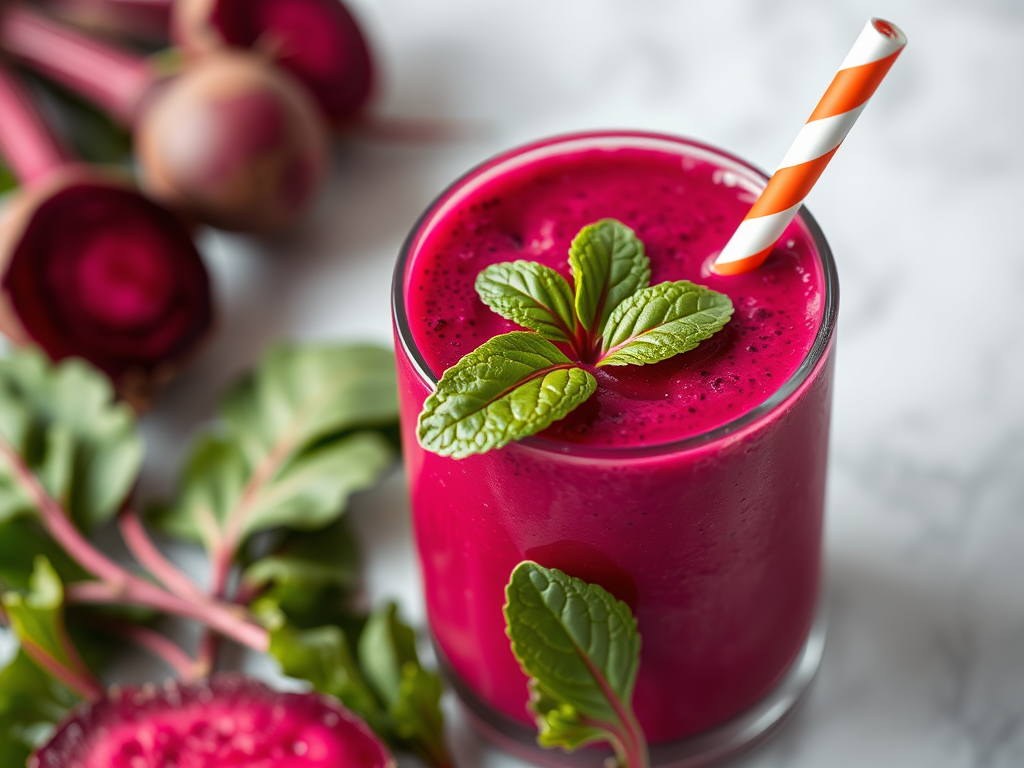
Let’s explore two delicious ways to add these beetroot into your daily routine:

Energizing Beetroot Power Smoothie

 1 banana

– 2 tablespoons beetroot powder

– 1 cup almond milk

– 1 tablespoon honey

– 1 cup spinach

– 1/2 cup frozen berries

– 1 scoop vanilla protein powder

Instructions:

1. Combine all ingredients in a blender

2. Blend until smooth

3. Serve immediately

Nutritional Facts (per serving):

– Calories: 280

– Protein: 20g

– Carbs: 45g

– Fiber: 7g

– Iron: 4.5mg

 Citrus Beet Juice

Ingredients

– 2 medium-sized beets

– 1 orange

– 1 lemon

– 1 apple (optional, for added sweetness)

– 1 piece of ginger (optional, for a kick)

– 1-2 cups of water (as needed)

Instructions:

1. Wash and Peel:

   – Thoroughly wash the beets, orange, lemon, and optional apple and ginger.

   – Peel the beets, orange, lemon, and ginger.

2. Chop:

   – Cut the beets, orange, lemon, apple, and ginger into small pieces to make blending easier.

3. Blend:

   – Place the chopped beets, orange, lemon, apple, and ginger into a blender.

   – Add a cup of water to help with the blending process.

   – Blend until smooth. Add more water if needed to reach your desired consistency.

4. Strain:

   – Pour the blended mixture through a fine mesh strainer or cheesecloth into a bowl to remove the pulp.

   – Use a spoon to press down on the pulp to extract as much juice as possible.

5. Serve:

   – Pour the strained juice into a glass and enjoy immediately!

   – You can chill the juice in the refrigerator if you prefer it cold.

Nutritional Facts (per serving):

– Calories: ~120

– Carbohydrates: ~28g

– Fiber: ~2g (less if strained)

– Sugars: ~18g

– Protein: ~2g

– Fat: ~0.5g

– Vitamin C: ~60% of the Daily Value (DV)

– Folate: ~20% of the DV

– Potassium: ~15% of the DV

This citrus-infused beet juice offers a refreshing and tangy twist to the classic beet juice, packed with vitamins and antioxidants. Enjoy experimenting with different ingredients to find your perfect blend.


 Performance and Health Benefits

Both forms offer impressive benefits for athletic performance and overall health. Beetroot powder has gained popularity as a pre-workout supplement. Many athletes use it to boost nitric oxide levels. This boost improves stamina and aids muscle recovery. The concentrated nature of the powder makes it easier to consume a performance-enhancing dose before exercise.

Whole beet juice, however, might have an edge when it comes to blood pressure regulation and heart health. The natural compounds in fresh juice are readily absorbed, potentially making them more effective for cardiovascular benefits. Studies have shown that both forms can help lower blood pressure. Fresh juice might have a slight advantage due to its natural cofactors that aid absorption.

Cost Considerations

When comparing costs, beetroot powder seems more expensive upfront, but it often works out more economically per serving. A high-quality organic beetroot powder from Amazon typically costs $15-25 for a month’s supply. The convenience factor also adds value for many users.

Fresh beet juice can be more expensive when bought pre-made. The cost is usually $5-8 per bottle. Alternatively, home preparation requires investment in a good juicer, which typically costs $100 or more. However, making your own juice from fresh beets is generally the most cost-effective option. You just need to be willing to put in the time.

The Verdict: Which Should You Choose?

The answer largely depends on your lifestyle and health goals.

Choose beetroot powder

  • You need a convenient, portable option
  • You’re focusing on athletic performance
  • You want a longer shelf life
  • You prefer controlled dosing

Choose whole beet juice

  • You value fresh, whole food sources
  • You have time for preparation
  • You’re focusing on immediate absorption
  • You enjoy the process of juicing


Conclusion

Remember, there’s no one-size-fits-all answer. Many health enthusiasts use both forms. They use beetroot powder for convenience and workout support. Fresh beetroot juice is for overall health benefits. The most important factor is consistency in whichever form you choose.

You’re sprinkling beetroot powder in your morning coffee. Alternatively, you may be juicing fresh beets for an afternoon boost. Either way, you’re taking a positive step for your health. Both forms offer unique advantages. Understanding these differences helps you make the best choice for your personal needs and lifestyle.

Remember to start slowly with either form and pay attention to how your body responds. While both are generally safe, some people might experience temporary side effects. Some side effects are pink urine (don’t be alarmed!). Remember to consult your primary health provider before embarking on a new diet.



health

Choosing the Right Nut Milk Machine for You

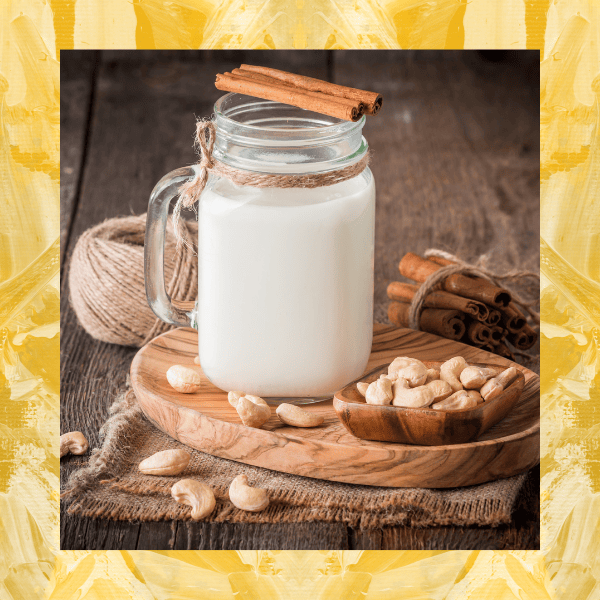
Cashew Nut Milk

Affiliate Disclaimer :  Some of the links in this website https://www.healthydrinks4you.com are affiliate links. As an Amazon Associate, I earn from qualifying purchases. Regardless, this website only recommends products or services that will add value to the readers.

Are you looking for a convenient way to make your own delicious plant-based milk at home? Look no further! Nut milk machines are becoming increasingly popular among health-conscious individuals who want to enjoy dairy-free affordable alternatives. You can easily transform your favorite nuts and seeds into creamy milk. The nut milk machine makes this happen in just minutes. From almond and cashew to hemp and oat, there are almost endless nut milk possibilities.

TABLE OF CONTENTS

  1. Why Drink Nut Milk?
  2. How To Choose the Right Nut Milk Machine
  3. How to Use a Nut Milk Machine
  4. Comparing Nut Milk Machines – Features and Prices
  5. Top Nut Milk Machines
    1. NUTR NUT MILK MAKER
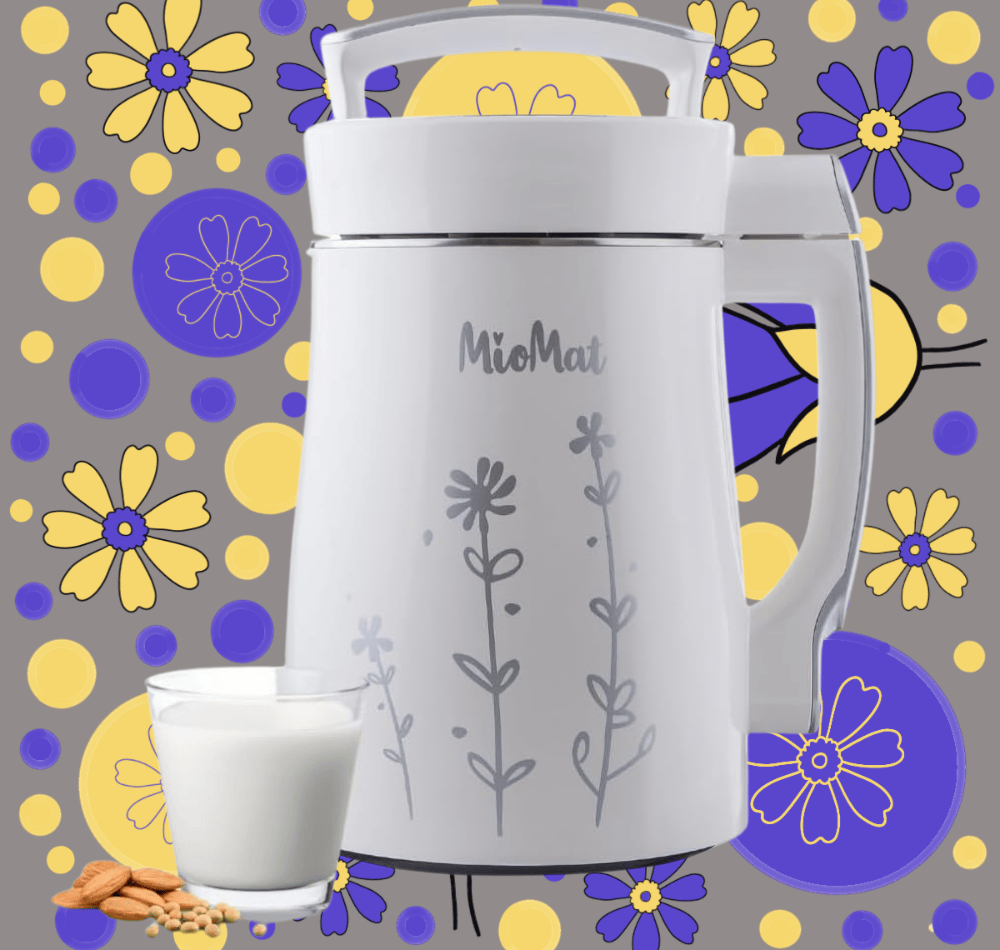
    2. MioMat 8-in-1 Plant-Based Milk Maker
    3. Almond Cow Nut Milk Maker Machine
    4. YUCHANLUCK Automatic Nut Milk Maker
  6. Homemade Nut Milk Recipes
  7. Conclusion

Why Drink Nut Milk?

Why drink nut milk? Nut milks have become very popular in recent years as an alternative to regular cow milk. Nut milks are lactose-free, so people with lactose intolerance can drink them. Nut milks often have fewer calories, and less fat compared to dairy milk. This can make them a good choice for people trying to watch their weight or follow a low-calorie diet. Nut milks are naturally cholesterol free, because of having no animal products. This fact makes nut good for heart health. Some types of nut milk, like almond and cashew, provide vitamin E. They also provide calcium and magnesium. These nutrients support bone, skin, and overall health.

The nutritional content of nut milks can vary depending on the type of nut used and how they are made. In general, nut milks are low in calories and carbs but provide healthy fats. Almond milk, for example, is high in the antioxidant vitamin E. Cashew milk is a good source of the mineral copper, which is important for red blood cells and nerves. Many nut milks have added vitamins and minerals. This includes calcium and vitamin D. These additions make them similar in nutrition to dairy milk. However, homemade nut milks do not have the same level of added nutrients as store-bought ones. Overall, nut milks can be a healthy dairy-free option that offer their own unique nutritional benefits.

Unleash your creativity with Canva! Design stunning graphics, social media posts, and more effortlessly. Try it now and transform your ideas into visual masterpieces.

How To Choose the Right Nut Milk Machine

Selecting the right nut milk machine for your needs involves considering several factor.

Here’s how to choose the right nut milk machine:

  1. Consider capacity, as nut milk machines come in various sizes to accommodate different batch volumes. If you plan to make small quantities of milk , choosing a compact machine with a smaller blending container. However, if you intend to produce larger batches ,choose a machine with a larger capacity.
  2. Motor power is another important factor. This determines the machine’s blending efficiency and ability to process tough nuts and seeds. Higher wattage motors are generally more powerful and effectively blend nuts and seeds, for a smoother and creamier milk. Additionally, look for machines with adjustable settings or speed controls, which allow you to customize the consistency of your milk. Some models also offer preset programs for different types of milk, making the process even more convenient.
  3. Ease of cleaning and maintenance is another crucial aspect to keep in mind when choosing a nut milk machine. Look for models with detachable parts that are dishwasher-safe or easy to hand wash. This will streamline the cleaning and ensure the machine remains hygienic. 
  4. Finally, consider additional features such as built-in strainers, recipe guides, and warranty coverage. By considering these factors and comparing different models, you can select a suitable nut milk machine that meets your needs. 


How to Use a Nut Milk Machine

Using a nut milk machine to make your own plant-based milk at home requires minimal effort and time. Here’s how to use a nut milk machine:

  1. Gather your ingredients. These include nuts, seeds, water, and any flavorings or sweeteners you wish to add to your milk. The requirements vary based on your nut milk machine type. You need to soak the nuts or seeds in advance. This helps to soften them and improve blending efficiency. Once your ingredients are ready, follow the manufacturer’s instructions to assemble the machine. Ensure that all components are securely in place.
  2. Add the nuts or seeds and water to the blending container in the specified proportions. If your machine has adjustable settings, choose the appropriate speed or program for the type of milk you are making. Start the machine and allow it to blend the ingredients until they form a smooth and creamy mixture. Depending on the machine and ingredients used, this process typically takes a few minutes. Once the blending is complete, strain the milk. Use the machine’s built-in filtration system or a separate nut milk bag. This will separate the liquid from the pulp.
  3. Transfer the strained milk to a clean container. Store it in the refrigerator for immediate use. Homemade nut milk can be enjoyed on its own. It can also be added to smoothies. You can pour it over cereal or use it in various recipes as a dairy-free alternative. Remember to clean your nut milk machine promptly after each use to maintain its performance and prolong its lifespan

Comparing Nut Milk Machines – Features and Prices

Comparing different nut milk machines based on their features and prices helps your requirements and budget. Here are some key aspects to consider when comparing nut milk machines:

  1. Capacity: Evaluate the blending container size. Check the batch capacity of each machine. Determine if it meets your needs for personal or family use.
  2. Motor Power: Compare the wattage of different machines. Assess their blending capabilities to ensure they can effectively process a variety of nuts and seeds.
  3. Settings and Controls: Look for adjustable settings, speed controls, and preset programs. These features allow you to customize the milk-making process. You can achieve desired textures with these options.
  4. Cleaning Ease: Consider the ease of cleaning and maintenance of each machine, including dishwasher-safe components and user-friendly designs.
  5. Additional Features: Look for extra features. These include built-in filtration systems, recipe guides, and warranty coverage. Accessories that enhance the functionality and convenience of the machine are also important.
  6. Price Range: Compare the prices of different nut milk machines. Find a model that offers the best value for money. It should meet your quality and performance expectations.

Top Nut Milk Machines

NUTR NUT MILK MAKER

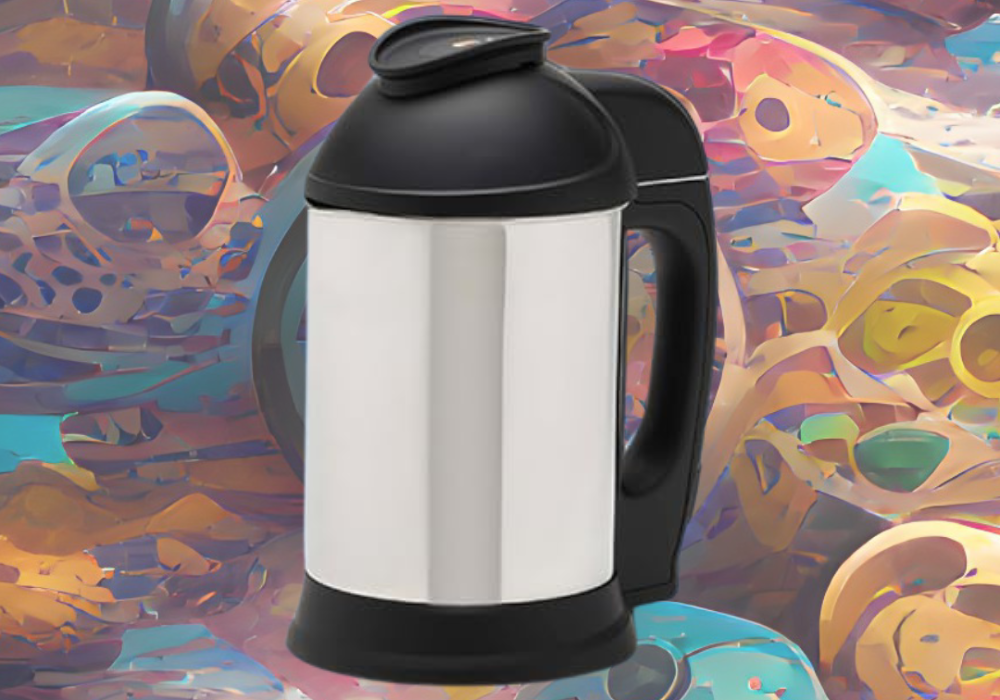
Nutr Nut Milk Maker prepares non-dairy beverage making experience. Our machine blends nuts and grains to achieve a smooth, rich and creamy milk. Plus make a variety of hot & cold plant-based beverages, including creamers, lattes, smoothies, shakes and more! Check out Nutr’s tried & true recipes, or get creative in your kitchen

The machine comes with 2 stainless steel measuring scoops, stainless steel strainer, cleaning brush, power cord, and recipe book. Makes 8-13oz of beverage to have fresh milk daily!

3 HEAT SETTINGS: Enjoy both iced and warmed beverages! Choose the Room Temperature setting for oat and chilled milks. Select Warm (140 degrees) for warm beverages and creamers. Use Hot (212 degrees) for boiling soy & rice milks for safe consumption.

MioMat 8-in-1 Plant-Based Milk Maker

The MioMat can make milk from any nut, seed, grain, or legume and gives it a rich, natural taste. It has some key features that help make the best plant-based milk possible:

– Built-in heating system

– Special programs for different types of milk

– Efficient grinding system

The MioMat uses gentle heat for nuts and seeds. This softens the ingredients for easier grinding. It keeps the nutrients intact. For grains and legumes, it will cook them to aid digestion and unlock their full nutritional potential.

The MioMat also comes with a recipe book to help you get started. It includes your first plant-based milk recipes. These recipes can include soups, smoothies, and porridges.

Almond Cow Nut Milk Maker Machine

The Almond Cow Machine is an affordable and eco-friendly alternative to buying pre-made plant-based milks in cartons. It measures 12 x 9.5 x 6.5 inches and can make 5-6 cups of milk per batch. 

You can use your choice of nut, seed, or grain to make pure, homemade plant-based milk. The machine separates the pulp from the milk, so there’s no need for straining – just easy cleanup.

YUCHANLUCK Automatic Nut Milk Maker

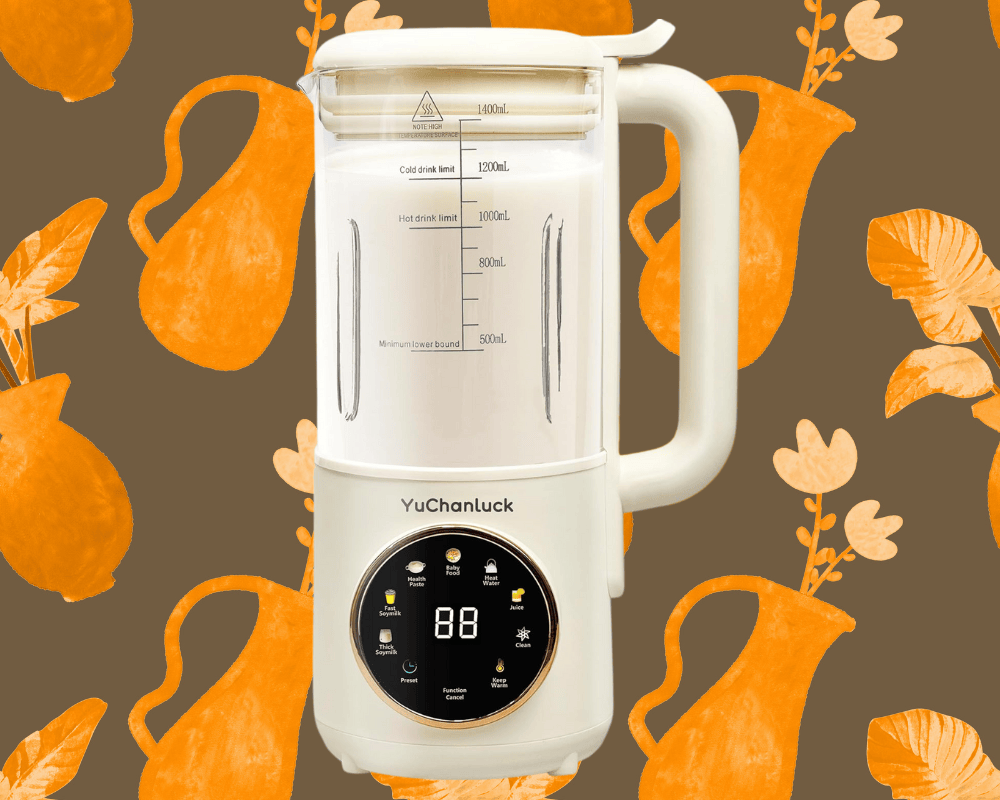
The YUCHANLUCK Automatic Nut Milk Maker has a 16-blade stainless steel cutter. It offers powerful grinding and blending. This thoroughly crushes nuts and grains for a smooth, fine plant-based milk.

It also has an auto-cleaning function to eliminate hard-to-reach residue, making it convenient for busy lifestyles.

The 1.4L/47oz large capacity and heating/keep-warm function allow you to enjoy warm plant-based milk anytime. It has a one-touch color control panel for easy use with all functions clearly visible.

Homemade Nut Milk Recipes

Making homemade nut milk with a nut milk machine offers many possibilities. You can create delicious and nutritious dairy-free beverages. While traditional almond and cashew milk are popular choices, you can try using a variety of nuts, seeds, and flavorings. Customize your milk to suit your taste preferences. Here are some simple recipes to inspire your nut milk beverages :

Almond Milk: To make classic almond milk, blend 1 cup of soaked almonds with 4 cups of water until smooth. Add a pinch of salt. Choose a sweetener, such as dates or maple syrup. Then strain and enjoy.

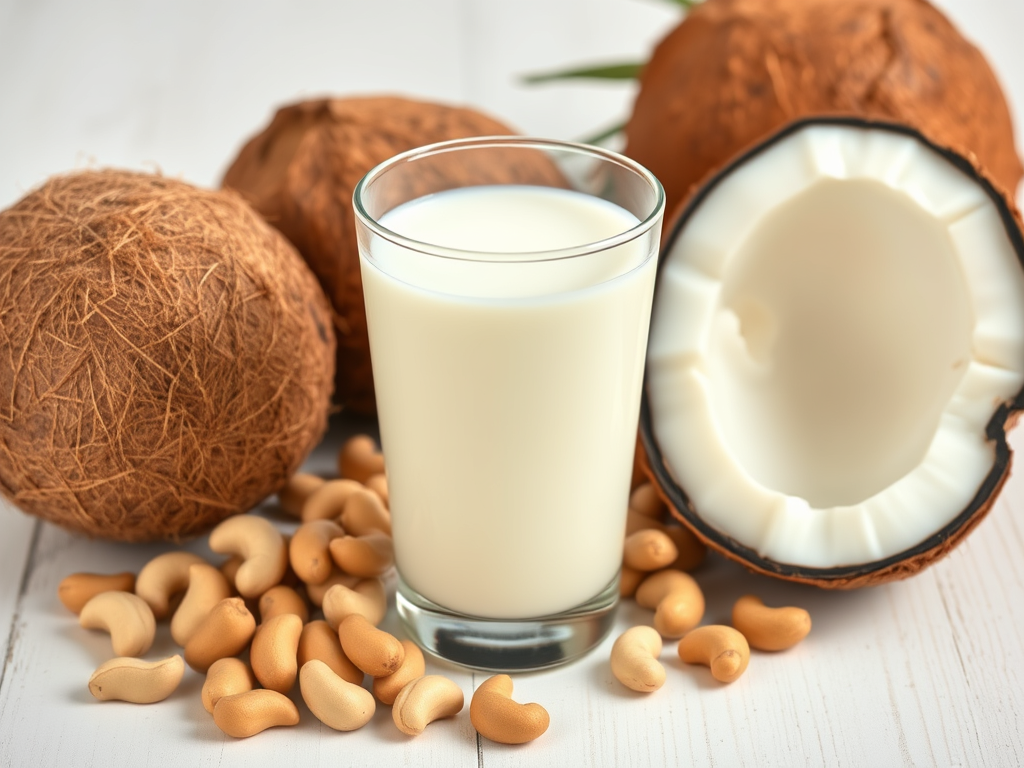
Coconut Cashew Milk: Combine 1 cup of soaked cashews with 1 cup of shredded coconut. Add 4 cups of water into the blender. Blend until creamy, then strain and refrigerate for a tropical twist on traditional nut milk.

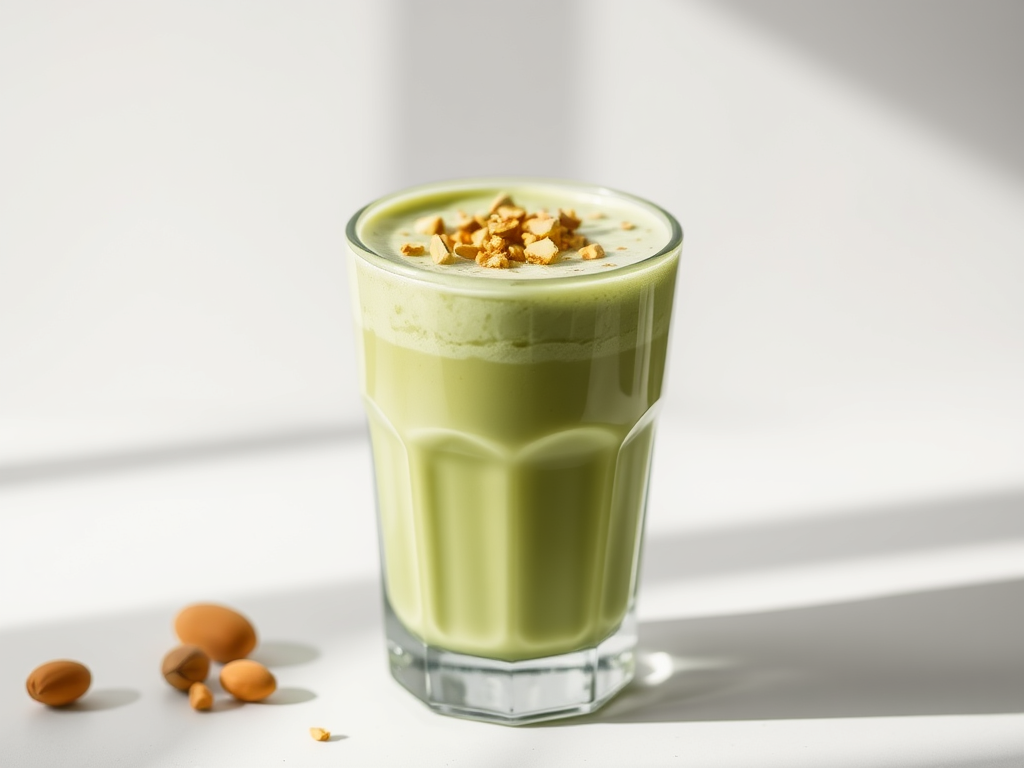
Matcha Pistachio Milk: Blend 1 cup of shelled pistachios with 4 cups of water. Add a teaspoon of matcha powder and a sweetener to taste. Strain the mixture and chill for a vibrant green milk with a nutty flavor.

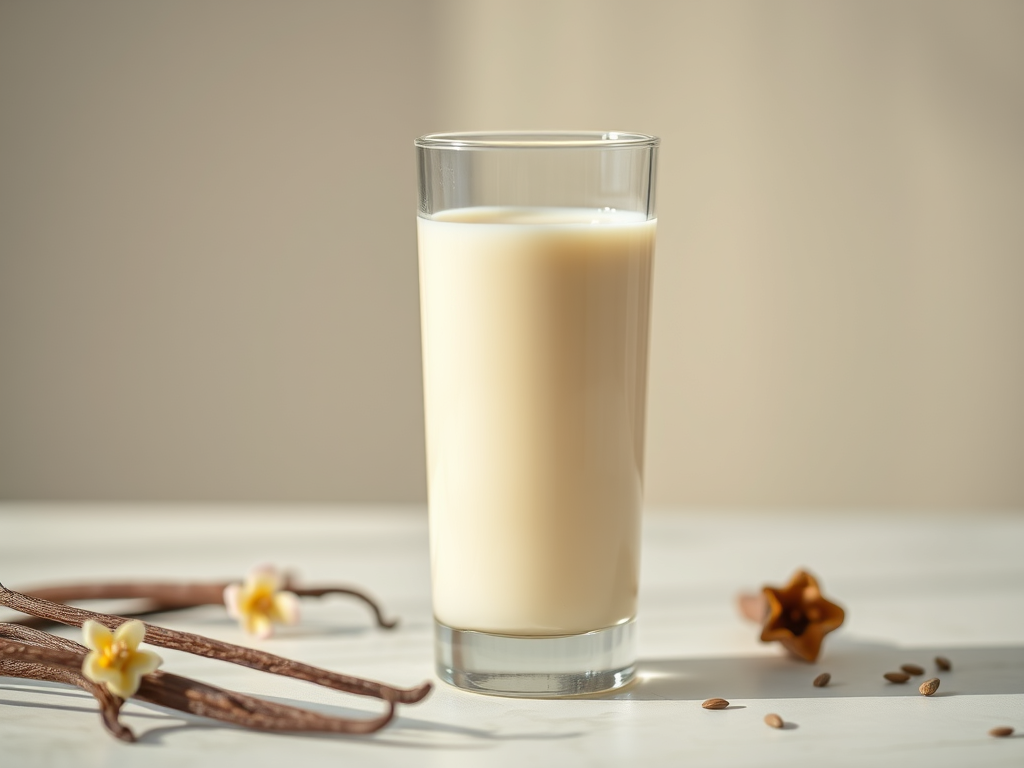
Vanilla Hemp Milk: First, blend 1 cup of hemp seeds with 4 cups of water. Add a splash of vanilla extract and a sweetener of your choice. Blend until smooth, strain, and store in the fridge for a creamy and protein-rich milk alternative.


Conclusion

Investing in a nut milk machine provides multiple benefits. It is a valuable addition to any plant-based kitchen. By making your own plant-based milk at home, you control the ingredients. You decide the flavors and ensure quality beverages. This results in a healthier and more personalized product. Nut milk machines offer convenience and cost-effectiveness. They enable you to enjoy fresh, delicious milk. You avoid the added sugars, preservatives, and waste associated with store-bought options.

smoothies

5 Delicious Smoothies For Weight Loss At Home

Affiliate Disclaimer: This post contains affiliate links. This means that if you click on the links, at no additional cost to you, I will receive a commission.

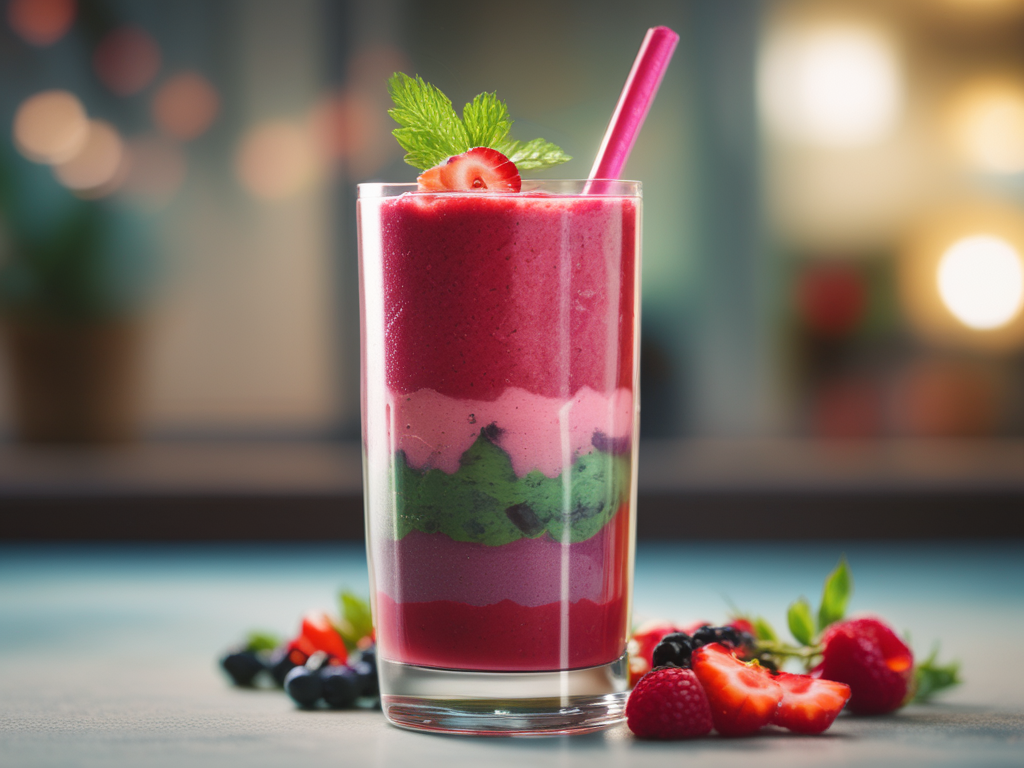
Delicious Fruit Smoothie

Say goodbye to bland and boring weight loss meals and hello to vibrant and flavorful smoothies. They are quick and easy to make. You can enjoy them at any time of the day. So why not kickstart your morning with a refreshing green smoothie or enjoy a guilt-free chocolate-banana smoothie?

TABLE OF CONTENTS

  1. The benefits of smoothies for weight loss
  2. Nutrient-rich smoothie ingredients
  3. Green smoothie weight loss recipes
    1. Kale and Banana Smoothie
    2. Spinach and Pineapple Smoothie
  4. Fruit weight loss smoothie recipes
    1. Strawberry and Banana Smoothie
    2.  Blueberry and Avocado Smoothie
  5. Protein weight loss smoothies
    1. Chocolate Peanut Butter Smoothie
    2. Vanilla Chai Protein Smoothie
  6. Low-calorie weight loss smoothie
    1. Cucumber and Mint Smoothie
    2. Grapefruit and Ginger Smoothie
  7. Smoothie Making Tips
  8. Smoothie-making equipment
  9. Combining smoothies into your weight loss plan
  10. Conclusion

Get ready to blend your way to a slimmer and healthier you with these 5 delicious smoothies. Discover the perfect concoction to satisfy your cravings and help you reach your weight loss goals.

The benefits of smoothies for weight loss

Smoothies have become a popular choice for those looking to lose weight, and for good reason. They offer a convenient and delicious way to include nutrient-dense ingredients. These ingredients can support weight loss efforts. One primary benefit of adding smoothies to your diet is that they help you feel full. You will feel satisfied for longer periods.

The high fiber content in many fruits and vegetables used in smoothies helps to slow the absorption of nutrients. This can prevent blood sugar spikes and dips. These fluctuations can lead to cravings and overeating. Additionally, the liquid nature of smoothies can help to hydrate the body. Hydration is essential for maintaining a healthy metabolism. It also supports overall weight management.

Another key advantage of smoothies for weight loss is their versatility. By carefully selecting your ingredients, you can create a wide range of smoothie recipes. These recipes can cater to your specific nutritional needs. They also accommodate your taste preferences. You want a refreshing green smoothie. You prefer a creamy protein-packed blend. Perhaps you’re interested in a decadent chocolate-infused treat. There’s a smoothie recipe for you. You can satisfy your cravings while also supporting your weight loss goals.

Nutrient-rich smoothie ingredients

When it comes to creating weight loss-friendly smoothies, the key is to use nutrient-dense ingredients. These ingredients can provide your body with the essential vitamins, minerals, and fiber it needs. Some of the most beneficial ingredients to include in your weight loss smoothies are leafy greens, berries, and avocado. Chia seeds and Greek yogurt are also excellent additions.

Leafy greens include spinach, kale, and Swiss chard. They are packed with fiber, vitamins, and minerals. These nutrients can support overall health and help with weight management. These greens are low in calories but high in nutrients, making them an excellent addition to any weight loss smoothie. Berries are rich in antioxidants. They can help to satisfy sweet cravings. Berries also provide a boost of fiber and natural sweetness.

Avocado is another superstar ingredient for weight loss smoothies. It is high in healthy fats and fiber. It also contains a range of essential vitamins and minerals. The creamy texture of avocado can also help to make your smoothies more filling and satisfying. Chia seeds and Greek yogurt are also great options for adding protein, fiber, and healthy fats to your smoothies. They help to keep you feeling full and energized throughout the day.

Green smoothie weight loss recipes

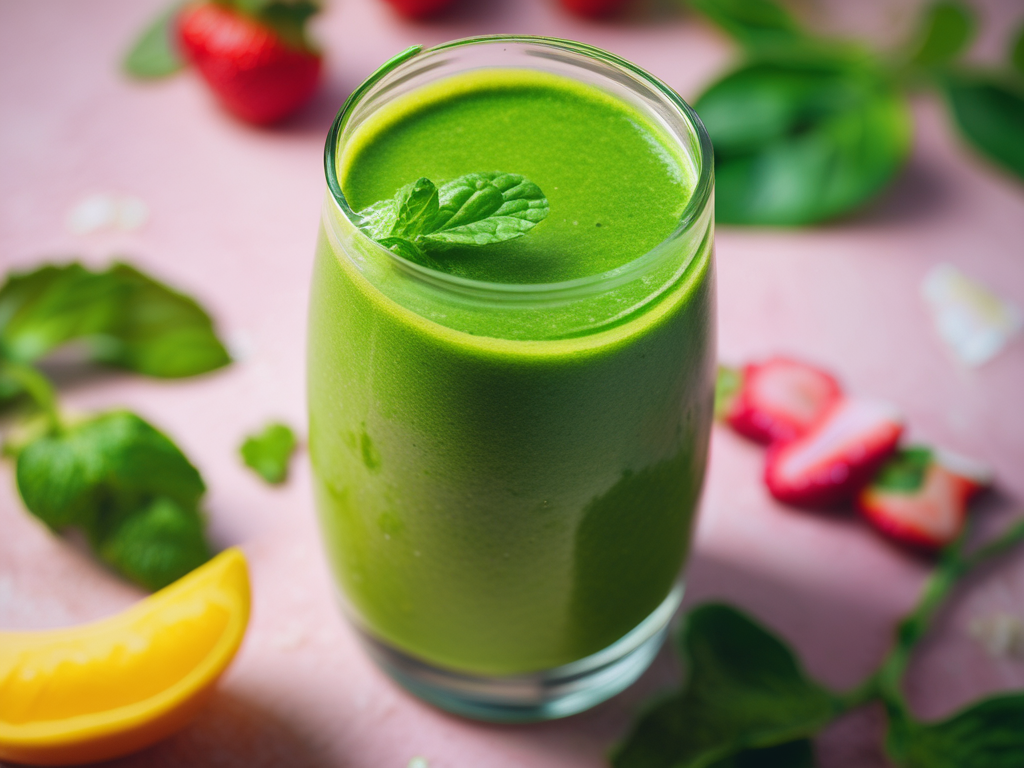
Green Smoothie

Green smoothies are a popular choice for those looking to lose weight, as they are packed with nutrient-dense greens that can provide a wealth of health benefits.

Kale and Banana Smoothie

To make this smoothie, you’ll need:

1 cup of kale

banana

1 cup of unsweetened almond milk

1 tablespoon of honey

teaspoon of ground cinnamon

Simply blend all of the ingredients together until smooth and creamy. The kale provides a boost of fiber, vitamins, and minerals, while the banana adds natural sweetness and a creamy texture. The almond milk provides a dairy-free base, and the honey and cinnamon add a touch of warmth and flavor.

Spinach and Pineapple Smoothie

Ingredients

1 cup of spinach

cup of fresh pineapple

cup of unsweetened coconut water

tablespoon of chia seeds

1 teaspoon of vanilla extract

The spinach provides a nutrient-dense foundation, while the pineapple adds a burst of tropical flavor and natural sweetness. The coconut water helps to hydrate the body. The chia seeds and vanilla extract provide additional flavor. They also offer nutritional benefits.

Fruit weight loss smoothie recipes

Fruit Smoothie

While green smoothies are a fantastic option for weight loss, fruit-based smoothies can also be a delicious and nutritious choice. One of the most popular fruit smoothie recipes for weight loss is strawberry and banana smoothie.

Strawberry and Banana Smoothie

To make this smoothie, you’ll need:

cup of fresh or frozen strawberries

banana

1 cup of unsweetened almond milk

tablespoon of honey

1 teaspoon of vanilla extract

The combination of sweet strawberries and creamy banana provides a satisfying and filling smoothie. It can help to curb cravings. It also supports weight loss efforts. The almond milk provides a dairy-free base, while the honey and vanilla extract add a touch of sweetness and flavor.

 Blueberry and Avocado Smoothie

This blend features:

1 cup of fresh or frozen blueberries

1/2 of an avocado

cup of unsweetened coconut milk

tablespoon of chia seeds

teaspoon of honey

The blueberries provide a burst of antioxidants and natural sweetness, while the avocado adds healthy fats and a creamy texture. The coconut milk provides a dairy-free base, and the chia seeds and honey add additional nutrients and flavor.

Protein weight loss smoothies

Chocolate Peanut Butter Smoothie

Combining protein-rich ingredients into your weight loss smoothies can help to keep you feeling full and satisfied, while also supporting muscle recovery and growth. One delicious protein-packed smoothie recipe for weight loss is the Chocolate Peanut Butter smoothie.

Chocolate Peanut Butter Smoothie

To make this smoothie, you’ll need:

scoop of chocolate protein powder

tablespoons of natural peanut butter

cup of unsweetened almond milk

1 banana

tablespoon of cocoa powder

The combination of chocolate protein powder, peanut butter, and banana provides a rich and decadent flavor, while also delivering a significant amount of protein, healthy fats, and essential nutrients. The almond milk provides a creamy base, and the cocoa powder adds a touch of chocolate flavor.

Vanilla Chai Protein Smoothie

 This blend features:

scoop of vanilla protein powder

cup of unsweetened almond milk

/2 cup of brewed chai tea, cooled

1 tablespoon of ground flaxseed

1 teaspoon of ground cinnamon

The vanilla protein powder provides a solid source of protein, while the chai tea and cinnamon add a warm and spicy flavor profile. The almond milk and ground flaxseed contribute healthy fats and additional nutrients to support weight loss and overall health.

Low-calorie weight loss smoothie

Grapefruit Ginger Smoothie


For those looking to maximize their weight loss efforts, low-calorie smoothie recipes can be a fantastic option. One such recipe is the Cucumber and Mint smoothie.

Cucumber and Mint Smoothie

To make this refreshing smoothie, you’ll need:

cup of chopped cucumber

1/2 cup of fresh mint leaves

1 cup of unsweetened almond milk

1 tablespoon of freshly squeezed lemon juice

teaspoon of honey (optional)

The cucumber provides a hydrating and low-calorie base, while the fresh mint adds a burst of flavor and a touch of natural sweetness. The almond milk provides a creamy texture, and the lemon juice adds a refreshing tartness. The honey is optional, as the mint and lemon provide enough sweetness on their own.

Grapefruit and Ginger Smoothie

This blend features:

1 grapefruit, peeled and segmented

1 inch of fresh ginger, peeled and grated

1 cup of unsweetened almond milk

1 tablespoon of chia seeds

1 teaspoon of honey (optional)

The grapefruit provides a burst of vitamin C. It also offers a tart, refreshing flavor. The ginger adds a warm and spicy kick. The almond milk provides a creamy base, and the chia seeds contribute fiber and healthy fats. The honey is optional, as the grapefruit and ginger provide enough natural sweetness.

Smoothie Making Tips

First and foremost, it’s important to focus on using high-quality ingredients when making smoothies. These nutrient packed ingredients will provide your body with the essential vitamins, minerals, and fiber.

When it comes to the liquid base, it’s best to opt for unsweetened almond milk, coconut milk, or water.  These options are low in calories and can help to keep your smoothie light and refreshing. Avoid using fruit juices or sweetened dairy products, as these can add unnecessary sugar and calories to your blend.

Another important tip is to balance your smoothie with a variety of fruits, vegetables, and other nutrient-rich ingredients. This will not only provide a more well-rounded nutritional profile, but it will also help to create a more complex and satisfying flavor profile. Consider including a combination of leafy greens, berries, avocado, chia seeds, and Greek yogurt to create a truly delicious and weight-loss-friendly smoothie.

Smoothie-making equipment

To make the perfect weight loss smoothie at home, you’ll need a high-quality blender that can effectively blend and puree all of your ingredients. Look for a blender with a powerful motor and sharp blades that can easily handle tough ingredients like leafy greens and frozen fruit.

In addition to a blender, you may also want a set of reusable smoothie cups or jars that can make it easy to enjoy your smoothie on the go. You may also want to consider purchasing a high-quality set of knives and a cutting board to make it easier to prep your smoothie ingredients. A good quality chef’s knife or santoku knife can make quick work of chopping and dicing fruits and vegetables, while a sturdy cutting board can provide a stable surface for your prep work.

Combining smoothies into your weight loss plan

Incorporating smoothies into your weight loss plan can be a highly effective and sustainable way to support your goals. By making smoothies a regular part of your daily routine, you can ensure that you’re getting a steady supply of essential nutrients and fiber that can help to keep you feeling full and satisfied throughout the day.

One way to incorporate smoothies into your weight loss plan is to use them as a meal replacement, either for breakfast or lunch. By blending up a nutrient-dense smoothie, you can enjoy a quick and convenient meal that provides a balanced source of protein, carbohydrates, and healthy fats to fuel your body and support your weight loss efforts.

Alternatively, you can use smoothies as a healthy snack option to help curb cravings and prevent overeating. By sipping on a refreshing and satisfying smoothie between meals, you can help to keep your hunger in check and avoid reaching for unhealthy snacks that can derail your weight loss progress.

Conclusion

In conclusion, combining delicious and nutritious smoothies into your weight loss plan can be a game-changer. By taking advantage of the many benefits of smoothies, you can enjoy a tasty treat while also supporting your body’s natural weight-regulating processes.

From the fiber-rich and nutrient-dense green smoothies to the protein-packed and low-calorie blends, there’s a smoothie recipe to suit every taste and nutritional need. By carefully selecting your ingredients and following a few key tips and tricks, you can create the perfect weight loss smoothie right at home.

smoothies

Boost Your Immunity: 5 Nutrient-Packed Smoothie Recipes

Affiliate Disclaimer: This post contains affiliate links. This means if you click on a link and purchase an item, I receive an affiliate commission at no extra cost to you.

Boost your immunity with 5 nutrient packed smoothie recipes. Health awareness is very important, boosting your immunity has never been more critical. Our immune system, the body’s primary defense against disease and infection, can often be overlooked. A robust immune system safeguards us from illnesses and accelerates recovery, thereby enhancing our overall well-being. Therefore, fortifying our immune system is not just a want, but a need.

TABLE OF CONTENTS

  1. Building Your Health with Balanced Nutrition
  2. Boosting Immunity With Nutrient Packed Smoothies
  3. Simple Ingredients To Build Your Immune Health
    1. Vitamin C-Rich Fruits
    2. Leafy Greens
    3. Carrots
    4. Pineapple
    5. Avocado
    6. Ginger
    7. Turmeric
    8. Mango
  4. Caution With Smoothie Combinations
  5. 5 Nutrient Packed Smoothie Recipes
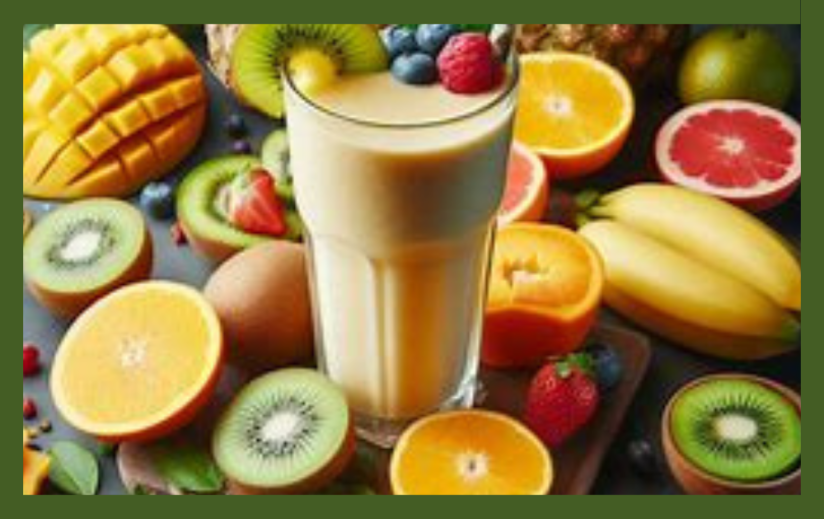
    1. Citrus Berry Blast Smoothie
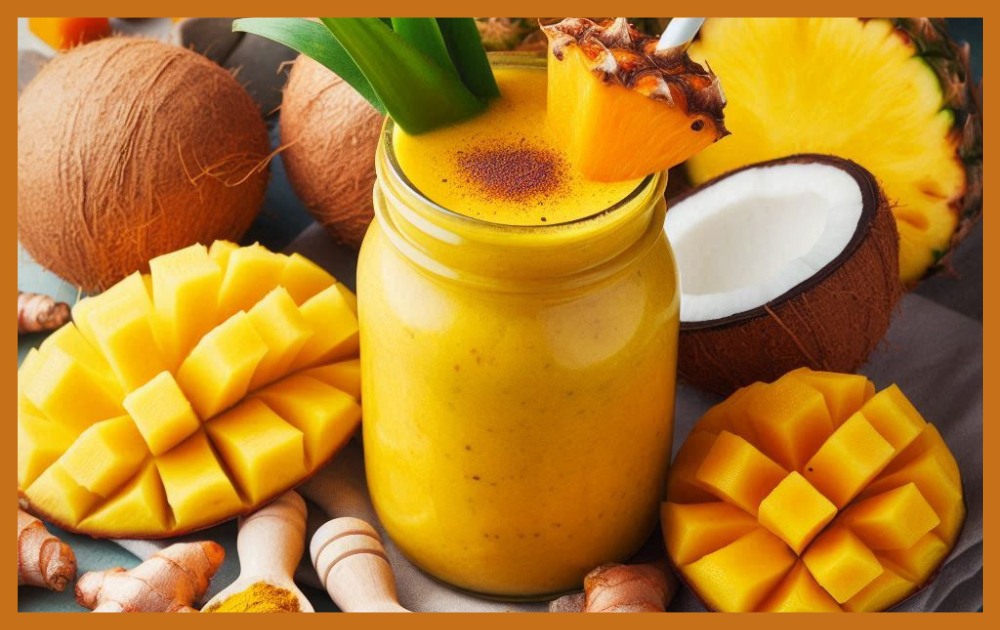
    2. Tropical Turmeric Smoothie
    3. Berry Avocado Delight
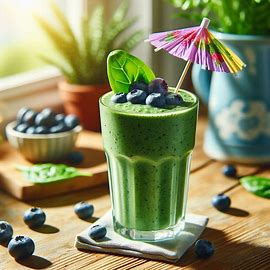
    4. Green Power Smoothie
    5.  Spinach Blueberry Smoothie
  6. Conclusion

Building Your Health with Balanced Nutrition

Building your health with balanced nutrition is a proven path for wellness. Do you know the saying: “you are what we eat’? Our nutrition influences our health and immunity. Eating nutrient-rich foods does not merely fortify our immune system, it reinvigorates our entire body to function better.

Boosting Immunity With Nutrient Packed Smoothies

Boosting your immunity with nutrient packed smoothies is a tasty and convenient way to better health. More than a trendy health fad, smoothies provide a route to easily blend wholesome natural ingredients into our daily diets. The flexibility offered by the immunity boosting qualities found in these smoothie recipes makes getting healthier easy.

Simple Ingredients To Build Your Immune Health

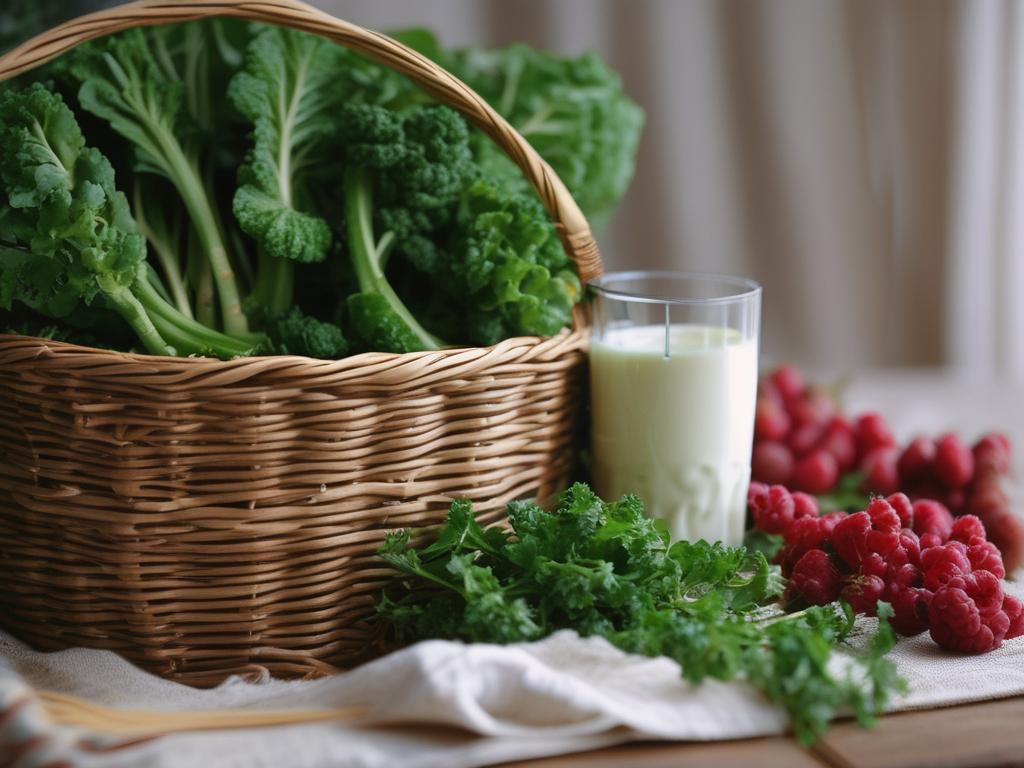
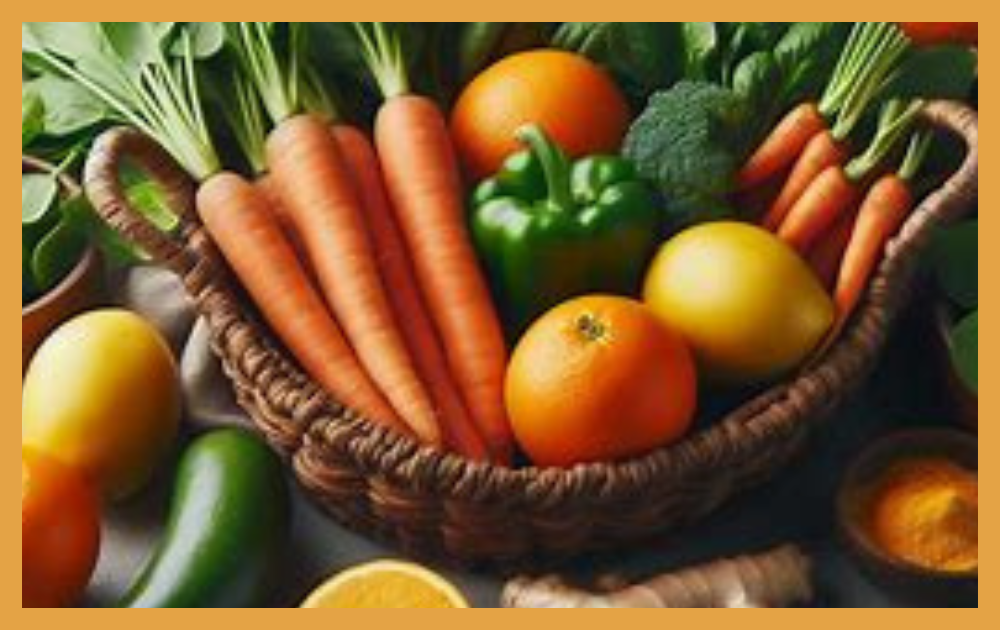
Basket of Fruits and Vegetables

It is amazing how simple ingredients can build your immune health when consumed in a smoothie. Here’s a few fruits and vegetables that can help you get healthier:

Vitamin C-Rich Fruits

Fruits like oranges, blueberries and strawberries are bursting with Vitamin C, vital for immune health. This powerhouse vitamin propels the production of white blood cells, our body’s front-line defense that fight off infections.

Leafy Greens

Spinach and kale, the leafy green giants, come loaded with vitamins A, C, and E, Iron and other ample antioxidants. These nutrients bolster our immunity, support our internal systems, and help neutralize harmful free radicals.

Carrots

Carrots serve as a rich source of beta-carotene, a nutrient that enhances our body’s mucous membranes and skin health. These barriers form the first line of defense against bacteria and viruses.

Complete Guide To Vitamin C Report Now Available As Free Download

Pineapple

Pineapple contains nutrients and beneficial compounds, such as vitamin C, manganese, and enzymes, to help aid digestion. Eating pineapple may help boost immunity, lower cancer risk, and improve recovery time after surgery.

Avocado

This green creamy fruit is composed of healthy fats and contains vitamin E. Vitamin E is an antioxidant that protects cells from free radical damage and aids the immune system. Avocados high vitamin E also helps with keeping your skin moisturized and promote wound healing.

Ginger

Ginger, known for its anti-inflammatory properties, aids our body in battling infections. This plays a pivotal role in our immune response and helps to lessen symptoms when we fall ill.

Turmeric

Turmeric is a root spice related to the ginger family, that contains Curcumin. Curcumin has been studied in numerous experiments and has been shown to be equally as effective as typical anti-inflammatory drugs. The key difference is there are no side effects associated with curcumin oil. This is good news for those who suffer from joint conditions, such as arthritis, where inflammation plays a key role in worsening chronic pain.

Mango

Mango, a sweet orange fruit of tropical origin is a surprising powerful health builder. It is another great source of vitamin C, A, E and K along with minerals Copper, Folate and Magnesium. Mangoes are high in antioxidants, may boost immunity, eye health help improve digestive health and may support heart health.

Caution With Smoothie Combinations

When making smoothies, it’s important to be aware of potential risks. Here are some dangers to avoid:

  1. Foodborne Illness: Produce is a common cause of food poisoning. Rinse your fruits and vegetables thoroughly, especially melons and pre-cut leafy greens. Consider adding a little vinegar for extra protection.
  2. Protein Powder Contaminants: If you use protein powders in your smoothies, be cautious. Some protein powders may contain heavy metals, BPA, pesticides, or other contaminants linked to health issues2.
  3. Incompatible Combinations: Mixing certain fruits and vegetables can lead to digestive issues and skin disorders. Be mindful of your smoothie ingredients to avoid harmful combinations
  4. Separate Acidic and Sweet Fruits: Acidic fruits (like oranges and berries) clash with the alkaline nature of sweet fruits (such as bananas). Eating them separately prevents digestive conflicts and enhances nutrient absorption.
  5. Ideal Sugar Level Pairing: Consider sugar levels in fruits when combining them. Pair high-sugar fruits with low-sugar options to regulate sweetness and maintain balance.
  6. Eat Melons Alone: Melons digest faster than most fruits. Enjoy melons on an empty stomach and wait 30 minutes before consuming other fruits to avoid fermentation and discomfort.

5 Nutrient Packed Smoothie Recipes

Tropical Turmeric Smoothie

Citrus Berry Blast Smoothie

  • Ingredients:
    1 orange
    1/2 cup strawberries
    1/2 cup blueberries
    Handful of spinach
  • Instructions:
    Peel the orange and remove seeds.
    Combine all ingredients in a blender.
    Blend until smooth.
    Serve in a glass.

Tropical Turmeric Smoothie

  • Ingredients:
    1 cup pineapple chunks (fresh or frozen)
    1 mango, peeled and chopped
    A small piece of fresh turmeric root (or use ground turmeric), peeled 
    A small piece of fresh ginger root, peeled
    Juice from one orange 
    Coconut water to blend
  • Instructions
    Add all ingredients to the blender.
    Blend until smooth.
    Pour into glass & enjoy!

Berry Avocado Delight

  • Ingredients 
  • One ripe banana
    Half ripe creamy avocado
    Handful of mixed berries (blueberries/strawberries) frozen or fresh
    One tablespoon chia seeds (optional)

  • Instructions
  • Scoop out creamy flesh inside ripe avocados removing the pit first obviously!
  •  Add rest listed items blend till desired texture reached adding liquid (milk/water/yogurt) if necessary to ensure no lumps remain before serving chilled ideally!
  • Blend until smooth
  • Serve in a glass

Green Power Smoothie

  • Ingredients
    2 cups kale or spinach
    1 avocado
    1 banana
    1 cup almond milk (or any plant-based milk)
    A small piece of fresh ginger (about half an inch), peeled and grated
    Ice cubes (optional)

  • Instructions
    Add all ingredients to a blender.
    Blend until smooth.
    Pour into a glass and enjoy!
Green Power Smoothie

 Spinach Blueberry Smoothie

  • Ingredients
    2 cups fresh spinach leaves
    1 cup blueberries (fresh or frozen)
    1 banana (for added creaminess)
    A small piece of fresh ginger (about half an inch), peeled and grated
    Water or almond milk to blend
  • Instructions:
    Place all ingredients in a blender.
    Blend until smooth.
    Add more water or almond milk if needed to reach your desired consistency.
    Pour into a glass and enjoy!

Conclusion

It is my hope that this discussion has enlightened you on how to fortify your immune system. Always talk with your primary health care physician before starting a new health regimen. This is especially true for persons with preexisting conditions and/or on medications. Lifestyle changes, including adding nutrient-packed smoothies, can have a substantial impact on your overall well-being.