juices

 Beetroot Powder vs. Whole Beet Juice – Which is Better?

Powdered beetroot versus whole beet juice, which is better? This crimson vegetable offers more than just a delicious addition to meals, as more people are discovering. This post will examine beetroot powder health benefits compared to those of whole beet juice. 

TABLE OF CONTENTS

  1. Understanding The Beetroot Difference
    1. Beetroot Powder
    2. Tips for Using Your Dehydrator
    3. Whole Beet Juice
  2. Comparing the Nutritional Benefits
  3. Beetroot Powder or Beetroot Juice- Which Fits Your Life?
  4. Beetroot Drink Recipes
    1. Energizing Beetroot Power Smoothie
    2.  Citrus Beet Juice
  5.  Performance and Health Benefits
  6. Cost Considerations
  7. The Verdict: Which Should You Choose?
    1. Choose beetroot powder
    2. Choose whole beet juice
  8. Conclusion

Understanding The Beetroot Difference

Affiliate Disclaimer :  Some of the links in this website https://www.healthydrinks4you.com are affiliate links. As an Amazon Associate, I earn from qualifying purchases. Regardless, this website only recommends products or services that will add value to the readers.

It’s important to understand what makes each beetroot form unique before comparing beetroot powder and whole beetroot juice. 

Beetroot Powder

Beetroot powder is made from dried beetroots that are ground into a fine powder. Here’s a step-by-step process for making it:

  1. Selecting Beets: Choose fresh, ripe beetroots. The quality of the beets will impact the flavor and nutritional value of the powder.
  2. Cleaning: Wash the beets thoroughly to remove any dirt or debris.
  3. Peeling: Peel the beets to remove the skin. This step is optional, but it helps to get a smoother powder.
  4. Slicing: Cut the beets into thin slices or small pieces. The smaller the pieces, the faster they will dry.
  5. Drying: Dry the beet slices using one of these methods:
    • Dehydrator: Place the beet slices in a dehydrator and dry at 135°F (57°C) for 8-12 hours. Or until completely dry and brittle.
    • Oven: Place the beet slices on a baking sheet and dry them in an oven set to around 140°F or 60°C. Turning the beet slices occasionally to ensure even drying.
    • Air Drying: Lay the beet slices on a clean surface in a single layer and let them air dry in a warm, dry place for several days, turning them occasionally.
  6. Grinding: Once the beet slices are completely dry, grind them into a fine powder using a blender, coffee grinder, or food processor.
  7. Sifting: Sift the powder through a fine mesh sieve to remove any larger particles.
  8. Storing: Store the beetroot powder in an airtight container in a cool, dark place. Properly stored, it can last for several months.

Tips for Using Your Dehydrator

  1. Pre-Treatment: While it’s not necessary, soaking beet slices in lemon juice or blanching them briefly can help preserve color and enhance flavor.
  2. Uniform Slicing: Try to slice beets evenly for consistent drying times. Using a mandoline slicer can help achieve uniform thickness.
  3. Spacing: Place the beet slices on the trays with enough space between them to allow for good airflow. Use parchment paper to prevent beet sticking to trays. Also, avoid overlapping the slices.
  4. Temperature Setting: Set the dehydrator to 135°F (57°C) when drying beet slices. This temperature is ideal for vegetables and helps retain their nutrients.
  5. Drying Time: Check the beet slices periodically. They should be completely dry and brittle, which can take 8-12 hours depending on slice thickness and humidity.
  6. Rotating Trays: If necessary, rotate the trays every few hours to ensure even drying, as the top-mounted fan ensures good circulation but may not be perfect.
  7. Storage: Once dried, let the beet slices cool completely before storing them in an airtight container. Keep them in a cool, dark place to maximize shelf life.

Whole Beet Juice

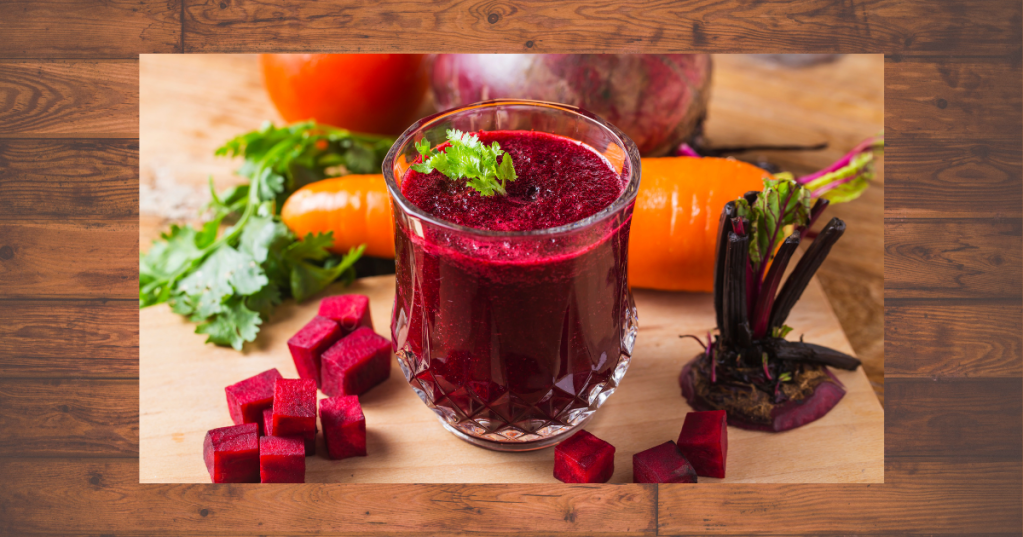
Making homemade beet juice is a simple and rewarding process that yields a vibrant and nutrient-rich drink. To start, thoroughly wash and peel 2-3 medium-sized beets. Consider adding optional ingredients like an apple, carrot, or a piece of ginger for extra flavor and nutrients. Chop the ingredients into small pieces and place them in a blender with 1-2 cups of water to aid blending. Blend the mixture until smooth. Then strain it through a fine mesh strainer or cheesecloth to remove the pulp. Press down to extract as much juice as possible. Pour the strained juice into a glass and enjoy it right away. Chill it in the refrigerator if you prefer a cold beverage. Adjust the ingredients to your taste and experiment with different combinations to create your perfect blend. Enjoy the fresh, homemade goodness of beet juice!


Comparing the Nutritional Benefits

When it comes to nutritional benefits, both beetroot forms pack a healthy punch, although delivered differently. There are studies published regarding beetroot health benefits. Beetroot powder provides a more concentrated dose of nutrients per serving. It is an efficient option for those seeking specific health benefits. A single tablespoon of organic beetroot powder contains approximately:

– Iron: 2.8mg (15% DV)

– Fiber: 3g

– Protein: 2g

– Calories: 35

– Potassium: 440mg

In contrast, whole beet juice provides a more natural and bioavailable form of nutrients. A cup (240ml) of fresh beet juice typically contains:

– Iron: 1.8mg

– Natural sugars: 13g

– Calories: 100

– Potassium: 920mg

– Vitamin C: 6%

Beetroot Powder or Beetroot Juice- Which Fits Your Life?

We all live busy lives and prefer healthy food options that fit our life. This is where beetroot powder often shines as a pre-workout supplement or daily health booster. You can easily carry it to the gym, add it to coffee, or mix it into smoothies. The extended shelf life of beetroot powder (typically 1-2 years) makes it a practical choice for those who value convenience.

By comparison, whole beet juice requires more commitment. If you are juicing fresh beets at home, consider storage and preparation time. Buying pre-made juice also requires consideration of storage and a shorter shelf life. However, many argue that this extra effort is worth it for the fresh, natural benefits.

Beetroot Drink Recipes
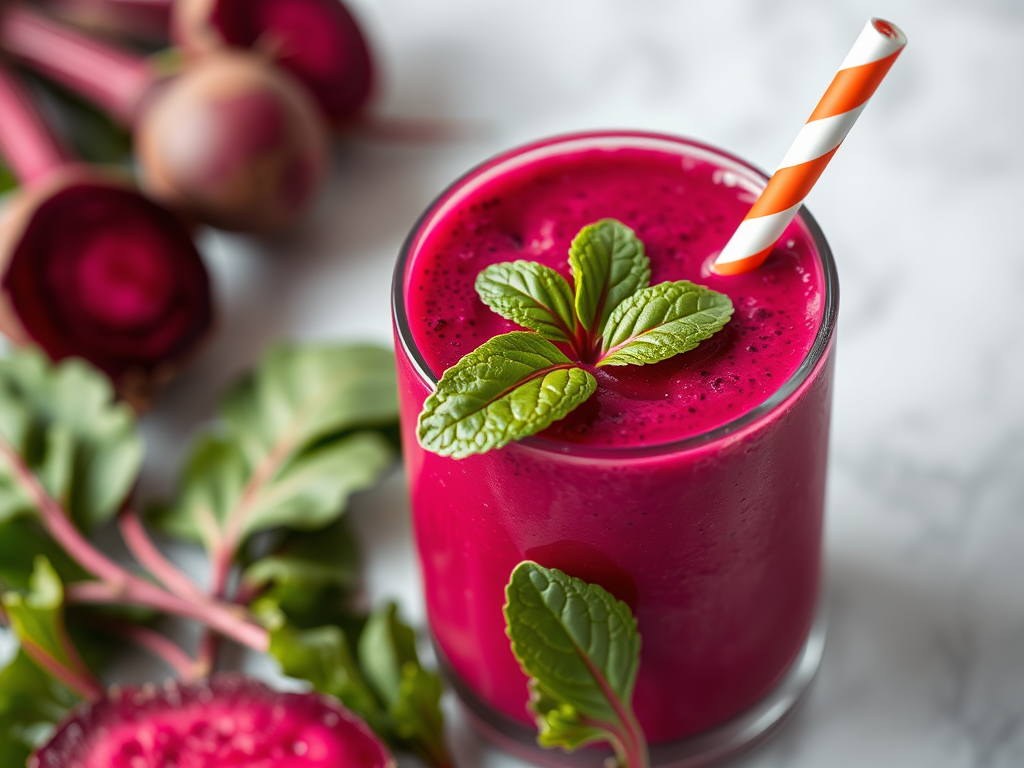
Let’s explore two delicious ways to add these beetroot into your daily routine:

Energizing Beetroot Power Smoothie

 1 banana

– 2 tablespoons beetroot powder

– 1 cup almond milk

– 1 tablespoon honey

– 1 cup spinach

– 1/2 cup frozen berries

– 1 scoop vanilla protein powder

Instructions:

1. Combine all ingredients in a blender

2. Blend until smooth

3. Serve immediately

Nutritional Facts (per serving):

– Calories: 280

– Protein: 20g

– Carbs: 45g

– Fiber: 7g

– Iron: 4.5mg

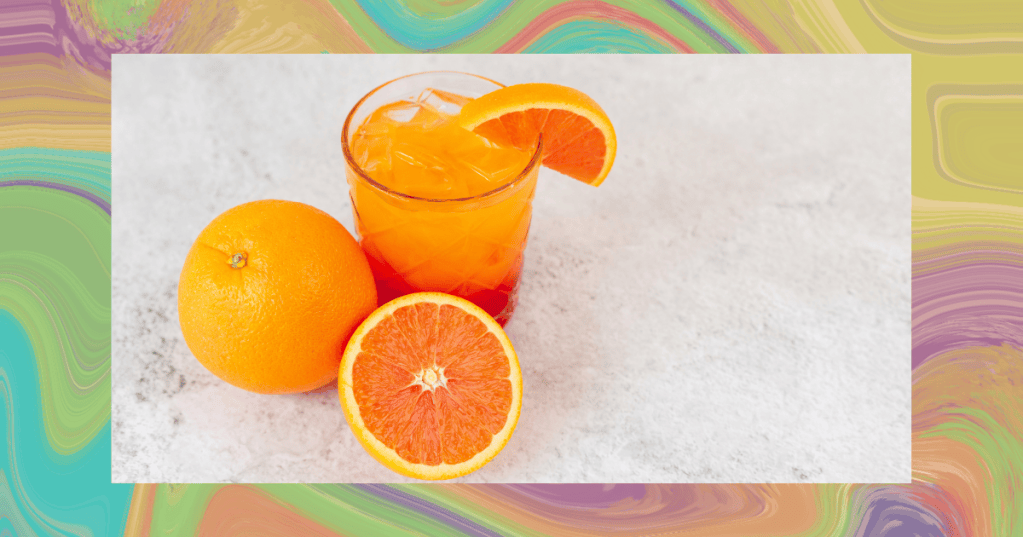
 Citrus Beet Juice

Ingredients

– 2 medium-sized beets

– 1 orange

– 1 lemon

– 1 apple (optional, for added sweetness)

– 1 piece of ginger (optional, for a kick)

– 1-2 cups of water (as needed)

Instructions:

1. Wash and Peel:

   – Thoroughly wash the beets, orange, lemon, and optional apple and ginger.

   – Peel the beets, orange, lemon, and ginger.

2. Chop:

   – Cut the beets, orange, lemon, apple, and ginger into small pieces to make blending easier.

3. Blend:

   – Place the chopped beets, orange, lemon, apple, and ginger into a blender.

   – Add a cup of water to help with the blending process.

   – Blend until smooth. Add more water if needed to reach your desired consistency.

4. Strain:

   – Pour the blended mixture through a fine mesh strainer or cheesecloth into a bowl to remove the pulp.

   – Use a spoon to press down on the pulp to extract as much juice as possible.

5. Serve:

   – Pour the strained juice into a glass and enjoy immediately!

   – You can chill the juice in the refrigerator if you prefer it cold.

Nutritional Facts (per serving):

– Calories: ~120

– Carbohydrates: ~28g

– Fiber: ~2g (less if strained)

– Sugars: ~18g

– Protein: ~2g

– Fat: ~0.5g

– Vitamin C: ~60% of the Daily Value (DV)

– Folate: ~20% of the DV

– Potassium: ~15% of the DV

This citrus-infused beet juice offers a refreshing and tangy twist to the classic beet juice, packed with vitamins and antioxidants. Enjoy experimenting with different ingredients to find your perfect blend.


 Performance and Health Benefits

Both forms offer impressive benefits for athletic performance and overall health. Beetroot powder has gained popularity as a pre-workout supplement. Many athletes use it to boost nitric oxide levels. This boost improves stamina and aids muscle recovery. The concentrated nature of the powder makes it easier to consume a performance-enhancing dose before exercise.

Whole beet juice, however, might have an edge when it comes to blood pressure regulation and heart health. The natural compounds in fresh juice are readily absorbed, potentially making them more effective for cardiovascular benefits. Studies have shown that both forms can help lower blood pressure. Fresh juice might have a slight advantage due to its natural cofactors that aid absorption.

Cost Considerations

When comparing costs, beetroot powder seems more expensive upfront, but it often works out more economically per serving. A high-quality organic beetroot powder from Amazon typically costs $15-25 for a month’s supply. The convenience factor also adds value for many users.

Fresh beet juice can be more expensive when bought pre-made. The cost is usually $5-8 per bottle. Alternatively, home preparation requires investment in a good juicer, which typically costs $100 or more. However, making your own juice from fresh beets is generally the most cost-effective option. You just need to be willing to put in the time.

The Verdict: Which Should You Choose?

The answer largely depends on your lifestyle and health goals.

Choose beetroot powder

  • You need a convenient, portable option
  • You’re focusing on athletic performance
  • You want a longer shelf life
  • You prefer controlled dosing

Choose whole beet juice

  • You value fresh, whole food sources
  • You have time for preparation
  • You’re focusing on immediate absorption
  • You enjoy the process of juicing


Conclusion

Remember, there’s no one-size-fits-all answer. Many health enthusiasts use both forms. They use beetroot powder for convenience and workout support. Fresh beetroot juice is for overall health benefits. The most important factor is consistency in whichever form you choose.

You’re sprinkling beetroot powder in your morning coffee. Alternatively, you may be juicing fresh beets for an afternoon boost. Either way, you’re taking a positive step for your health. Both forms offer unique advantages. Understanding these differences helps you make the best choice for your personal needs and lifestyle.

Remember to start slowly with either form and pay attention to how your body responds. While both are generally safe, some people might experience temporary side effects. Some side effects are pink urine (don’t be alarmed!). Remember to consult your primary health provider before embarking on a new diet.

hydration

Hydration Hacks: From Fruity Infusions to Nutrient-Packed Smoothies

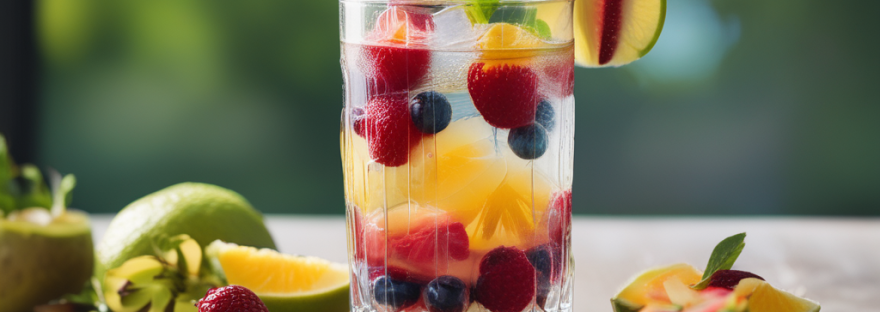
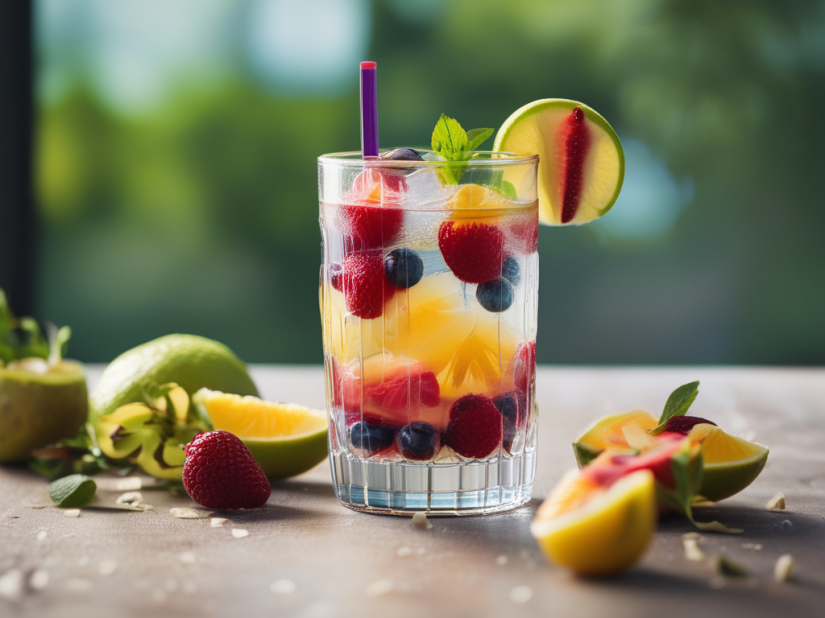
Berry infused water

We all know that staying hydrated is crucial for our health, but did you know there’s more to hydration than just chugging water? While water is undoubtedly important, there are many delicious and exciting ways to keep your body hydrated. In this post, we’ll explore various hydration hacks and healthy drinks that’ll make staying hydrated a breeze!

Why Hydration Matters

Before we dive into the tasty alternatives, let’s talk about why hydration is so important. Our bodies are made up of about 60% water, and it plays a vital role in nearly every bodily function. From regulating body temperature to helping digest food, water is essential.

When you don’t get enough fluids, you might experience signs of dehydration like:

  • Feeling thirsty
  • Having a dry mouth
  • Feeling tired or dizzy
  • Having dark yellow urine

On the flip side, proper hydration can boost your energy, improve your skin, and even help you think more clearly. So, let’s look at how to hydrate effectively!

Water: The Classic Choice

Woman drinking water

Water is the go-to for hydration, and for good reason. It’s calorie-free, readily available, and does the job perfectly. But if you find plain water boring, try these tips to make it more appealing:

  1. Infuse it with fruits like lemon, strawberries, or cucumber
  2. Try sparkling water for a fizzy kick
  3. Experiment with different temperatures – some people prefer ice-cold water, while others like it at room temperature

Fruity Alternatives

Fruits are not only delicious but also great for hydration. Many fruits have high water content and can contribute to your daily fluid intake. Here are some top hydrating fruits:

  • Watermelon: This summer favorite is 92% water and packed with vitamins.
  • Cucumbers: Technically a fruit, cucumbers are 96% water and super refreshing.
  • Citrus fruits: Oranges, grapefruits, and lemons are juicy and full of vitamin C.
  • Berries: Strawberries, blueberries, and raspberries are hydrating and antioxidant-rich.
  • Coconut water: Nature’s sports drink, it’s full of electrolytes and naturally sweet.

Veggie Options

Don’t forget about vegetables! Many veggies are surprisingly high in water content and make for great hydrating snacks. Try these:

  • Celery: Crunchy and refreshing, celery is 95% water.
  • Lettuce: All types of lettuce are very hydrating, especially iceberg.
  • Zucchini: This versatile veggie is 94% water and great in salads or grilled.
  • Bell peppers: Colorful and crunchy, they’re 92% water and rich in vitamins. Bell peppers contain over 169% of daily vitamin C requirements.

Learn more about why vitamin C is so important to your health in free Vitamin C report :

Get Your Free Copy Of Vitamin C Report.

Dairy and Plant-Based Milk Alternatives

Milk and milk alternatives can be excellent sources of hydration. They also provide additional nutrients like calcium and vitamin D. Consider these options:

  • Milk: Regular cow’s milk is about 87% water and packed with nutrients.
  • Yogurt drinks: Creamy and hydrating, they also provide probiotics for gut health.
  • Almond milk: A plant-based option that’s low in calories and naturally hydrating.
  • Coconut milk: Another plant-based choice that’s rich and refreshing.

Teas and Herbal Infusions

Contrary to popular belief, tea can be a great way to hydrate. While caffeine can have a mild diuretic effect, the water in tea more than makes up for it. Here are some hydrating options:

  • Green tea: Packed with antioxidants and less caffeine than coffee.
  • Herbal teas: Options like peppermint or chamomile are caffeine-free and very hydrating.
  • Iced tea: A refreshing way to hydrate, especially on hot days.
  • Fruit-infused teas: Add a slice of lemon or some berries for extra flavor.

Besides hydration, many teas offer additional health benefits like boosting immunity or aiding digestion.

Hydrating Smoothies and Shakes

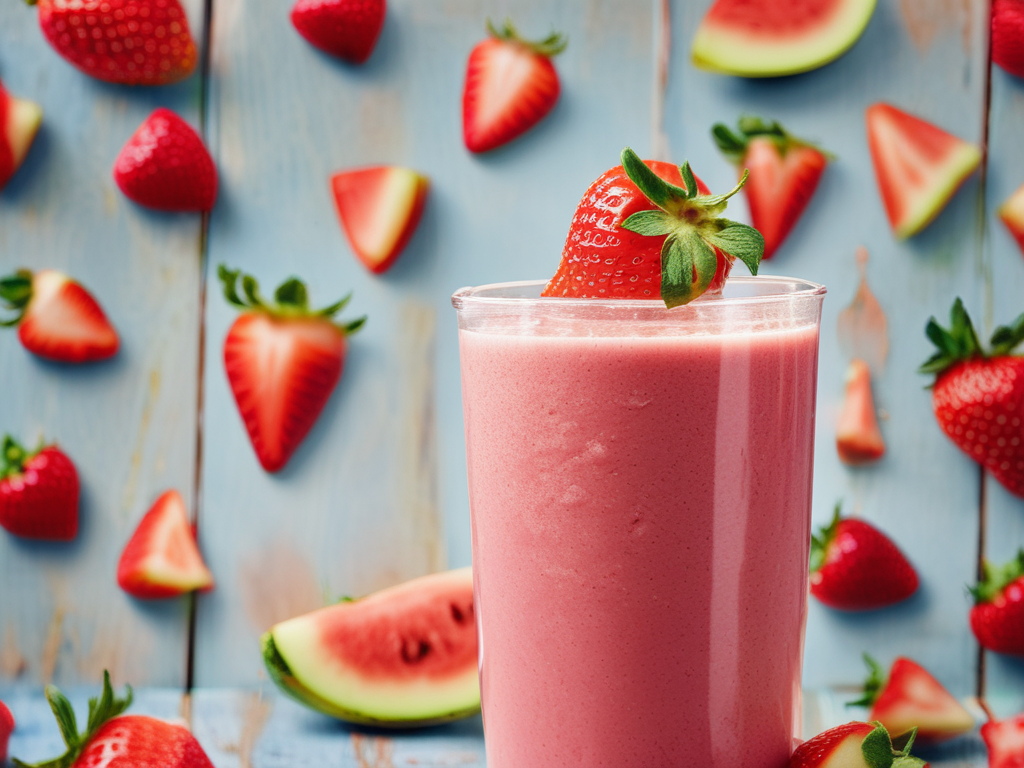
Strawberry Watermelon Smoothie

Smoothies are a fantastic way to combine hydration with nutrition. Here’s a basic formula for a hydrating smoothie:

  1. Liquid base (water, coconut water, or plant milk)
  2. Hydrating fruits (like watermelon, berries, or citrus)
  3. Hydrating veggies (like cucumber or spinach)
  4. Optional: yogurt for creaminess and extra hydration

Try this hydrating smoothie recipe:

  • 1 cup coconut water
  • 1 cup watermelon chunks
  • 1/2 cucumber
  • Handful of spinach
  • 4-5 frozen strawberries
    Blend until smooth and enjoy!

Soups and Broths

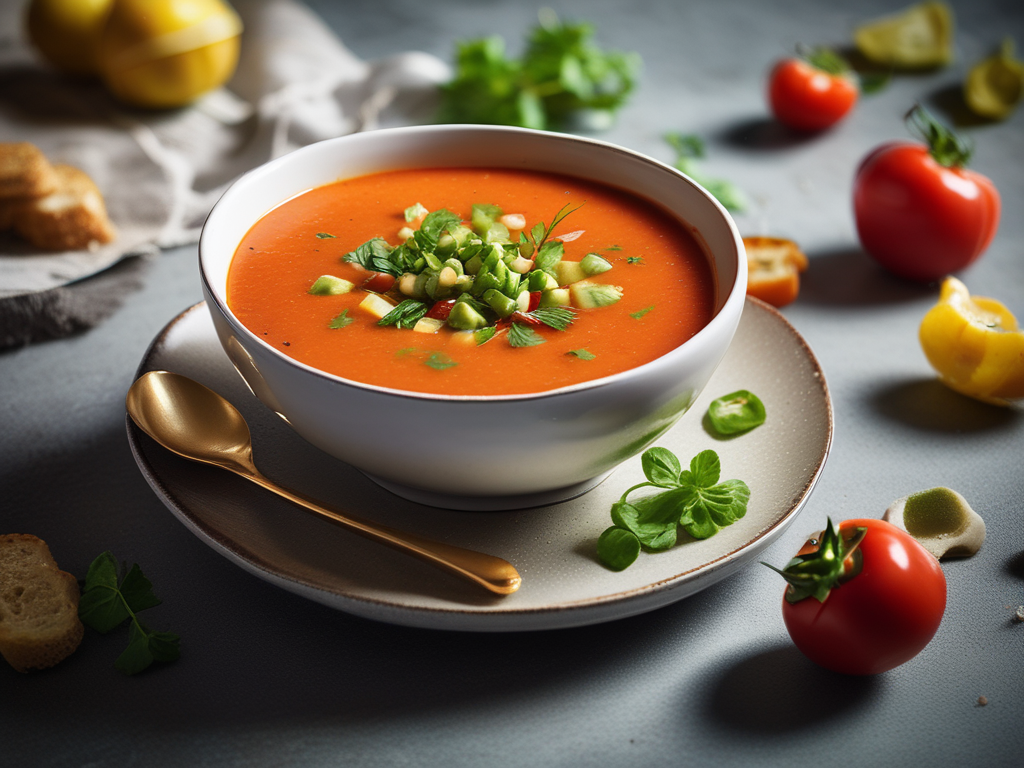
Gazpacho soup

Don’t forget about soups! They’re not just for cold weather. Consider these hydrating options:

  • Clear broths: Chicken or vegetable broth can be very hydrating and comforting.
  • Vegetable-based soups: Packed with nutrients and water, they’re a great way to hydrate.
  • Cold soups: Try gazpacho or cucumber soup for a refreshing summer meal.

Sports Drinks and Electrolyte Solutions

While water is usually sufficient for everyday hydration, sometimes you might need an extra boost, especially during intense exercise or illness. Sports drinks can help replace electrolytes lost through sweat. However, many commercial sports drinks are high in sugar.

Here’s a simple recipe for a homemade electrolyte drink:

  • 2 cups water
  • 1/4 cup fresh lemon or lime juice
  • 1/8 teaspoon sea salt
  • 2 tablespoons honey

Mix all ingredients until the honey dissolves. This natural version provides electrolytes without excess sugar.

Tips for Staying Hydrated Throughout the Day

  1. Set reminders on your phone to drink regularly.
  2. Carry a reusable water bottle with you everywhere.
  3. Eat hydrating snacks like cucumber slices or watermelon chunks.
  4. Monitor your urine color – it should be pale yellow. If it’s dark, you need more fluids.

Common Hydration Myths Debunked

Let’s clear up some common misconceptions about hydration:

  1. The “8 glasses a day” rule: While it’s a good general guideline, your needs may vary based on factors like activity level, climate, and diet.
  2. Caffeine always dehydrates you: Moderate caffeine intake doesn’t significantly impact hydration for regular consumers.
  3. Thirst is the best indicator of dehydration: By the time you feel thirsty, you’re already mildly dehydrated. It’s better to drink regularly throughout the day.

Conclusion

Staying hydrated doesn’t have to be boring! With these hydration hacks and healthy drinks, you can easily meet your fluid needs while enjoying a variety of delicious options. Remember, the key to good hydration is consistency. Find the methods that work best for you and make them a part of your daily routine. Your body will thank you!

So, which of these hydration methods are you excited to try? Whether it’s spicing up your water with fruit infusions, blending hydrating smoothies, or sipping on herbal teas, there’s a world of tasty possibilities waiting for you. Cheers to staying hydrated in style!

health

Sip Your Way to a Healthier Lifestyle with Low-Sugar Drinks

Looking to cut down on your sugar intake without sacrificing flavor?  In this article, I have compiled a list of thirst satisfying low-sugar drink options that supports a healthier lifestyle. Whether you’re a fan of fruit-infused water, herbal teas, or sparkling beverages, you are covered.

TABLE OF CONTENTS

  1. The dangers of sugar consumption
  2. Understanding how high sugar drinks affects your health
    1. The importance of reading labels and choosing wisely
  3. Benefits of low-sugar drink options
  4. Popular low-sugar drink options
  5. Homemade low-sugar drink recipes
    1. Tips for reducing sugar consumption
    2. Incorporating low-sugar drinks into your daily routine
  6. Conclusion

Say goodbye to sugary sodas and welcome refreshing alternatives that won’t leave you feeling guilty. Filled with essential vitamins, minerals, and antioxidants, these drinks offer a burst of flavor without the excessive sugar content. Perfect if you are watching your weight or managing health conditions such as diabetes. 

So, why not prioritize your well-being without compromising on taste? Let’s examine an array of delicious beverages that will keep you hydrated and energized throughout the day. Get ready to sip your way to a healthier lifestyle!

The dangers of sugar consumption

Take Caution Consuming Sugar

Sugar consumption has been linked to a range of health issues, including obesity, type 2 diabetes, heart disease, and tooth decay. When we consume too much sugar, our bodies convert it into fat, leading to weight gain and an increased risk of chronic diseases. High sugar drinks, such as soda, energy drinks, and fruit juices, are major contributors to our daily sugar intake.

It’s important to be aware of the hidden sugars in these beverages, as they can add up quickly. Many sodas and fruit juices contain as much sugar as a candy bar, and even seemingly healthy options like smoothies can be packed with added sugars. By making a conscious effort to reduce our sugar intake, we can take control of our health and make positive changes.

Understanding how high sugar drinks affects your health

High sugar drinks not only lead to weight gain and the risk of chronic diseases but also have a negative impact on our overall health. These sugary beverages are often high in calories but provide little to no nutritional value. They can lead to energy crashes, spikes in blood sugar levels, and increased cravings for more sugary foods and drinks.

Additionally, the excessive sugar in these drinks can wreak havoc on our teeth. The bacteria in our mouths feed on the sugars, producing acid that erodes tooth enamel and leads to cavities. Over time, this can result in tooth decay and a host of dental problems.

By choosing low-sugar drink options, we can avoid these negative health effects and still enjoy delicious and refreshing beverages.

The importance of reading labels and choosing wisely

When it comes to choosing low-sugar drinks, reading labels is crucial. Many beverages marketed as “healthy” or “natural” can still contain a surprising amount of added sugars. By familiarizing yourself with common sugar aliases and learning to decipher nutrition labels, you can make informed choices and avoid hidden sugars.

Look out for terms like “high-fructose corn syrup,” “cane sugar,” “dextrose,” “maltose,” “fruit juice concentrate,” or any ingredient ending in “-ose.” These are all indicators of added sugars. Additionally, pay attention to the serving size and total sugar content per serving.

By being mindful of the ingredients and sugar content, you can choose low-sugar drink options that align with your health goals and preferences.

Benefits of low-sugar drink options

Opting for low-sugar drink options offers numerous benefits for our health and well-being. Firstly, these beverages are typically lower in calories, making them a great choice for those looking to manage their weight. By swapping out high sugar drinks for low-sugar alternatives, we can significantly reduce our calorie intake without sacrificing taste.

Many low-sugar drinks are also rich in essential vitamins, minerals, and antioxidants. For example, fruit-infused water can provide a burst of flavor and hydration while delivering the natural goodness of fruits. Herbal teas, such as chamomile or green tea, are packed with antioxidants that support immune health and reduce inflammation. These beverages offer a refreshing way to quench our thirst while nourishing our bodies.

Moreover, low-sugar drinks can help stabilize blood sugar levels and reduce the risk of developing type 2 diabetes. By avoiding the sugar spikes associated with high sugar drinks, we can maintain more stable energy levels and minimize the risk of insulin resistance.

Refreshing Coconut Water

1. Fruit-infused water: Infusing water with slices of fruits like cucumber, lemon, or berries adds a burst of flavor without the added sugars. This refreshing drink option is not only hydrating but also offers the natural vitamins and minerals found in fruits.

2. Herbal teas: Herbal teas are a great alternative to sugar-laden beverages. Not only do they come in a variety of flavors, but they also offer a range of health benefits. From calming chamomile to invigorating green tea, there’s a herbal tea to suit every taste.

3. Sparkling water with a twist: If you’re craving something fizzy, opt for sparkling water infused with a splash of fresh citrus juice or a few drops of natural flavor extracts. This allows you to enjoy the bubbles without the excessive sugar found in soda.

4. Coconut water: Coconut water is a naturally sweet and hydrating beverage that is low in calories and packed with electrolytes. It’s a great option for replenishing fluids after a workout or on a hot day.

5. Unsweetened iced tea: Iced tea can be a refreshing and low-sugar alternative to sugary drinks. Opt for unsweetened varieties and add a squeeze of lemon or a few drops of liquid stevia for a hint of sweetness.

These are just a few examples of the many low-sugar drink options available. Get creative and explore different flavors and combinations to find your favorites.

Stay tuned for the next section, where we will share some homemade low-sugar drink recipes that you can easily make at home.

Homemade low-sugar drink recipes

Lemon Ginger Tea

Making your own low-sugar drinks at home gives you complete control over the ingredients and allows you to customize flavors to your liking. Here are a few simple and delicious recipes to try:

1. Watermelon Mint Cooler: Blend fresh watermelon chunks with a handful of mint leaves and a squeeze of lime. Strain the mixture and serve over ice for a refreshing and hydrating summer drink.

2. Ginger-Lemon Iced Tea: Brew a pot of your favorite tea (black, green, or herbal) and let it cool. Add freshly grated ginger and a squeeze of lemon juice. Sweeten with a few drops of liquid stevia, if desired, and serve over ice.

3. Cucumber-Lime Spritzer: Slice a cucumber and muddle it in a glass with fresh lime juice. Fill the glass with sparkling water and add ice cubes for a light and refreshing drink.

Feel free to experiment with different fruits, herbs, and flavors to create your own unique low-sugar drink recipes. The possibilities are endless!

Tips for reducing sugar consumption

Reducing sugar consumption in drinks doesn’t have to be tough. With a few simple tweaks, you can reduce your sugar consumption and enjoy flavorful beverages. Here are some tips to get you started:

1. Read labels: When purchasing packaged drinks, read the labels carefully and opt for options with little to no added sugars. Be wary of terms like “natural sweeteners” or “fruit juice concentrate,” as these can still contribute to high sugar content.

2. Choose unsweetened: Whenever possible, choose unsweetened versions of your favorite drinks. This includes options like unsweetened almond milk, unsweetened iced tea, and unsweetened sparkling water. You can always add natural flavorings or a touch of sweetness yourself, if desired.

3. Gradually reduce sweetness: If you’re used to consuming highly sweetened beverages, start by gradually reducing the amount of sugar or sweetener you add. Over time, your taste buds will adjust, and you’ll find that you need less sweetness to enjoy your drinks.

4. Opt for natural sweeteners: When you do need to add sweetness to your drinks, opt for natural sweeteners like stevia, monk fruit, or raw honey. These alternatives provide sweetness without the negative health effects of refined sugar.

5. Make it yourself: By making your own drinks at home, you have full control over the ingredients and can avoid added sugars. Invest in a good quality blender or juicer to create your own fruit smoothies, vegetable juices, or infused waters.

Incorporating low-sugar drinks into your daily routine

Now that you have a variety of low-sugar drink options and sugar reducing tips, let’s  bring this all together:

1. Start your day with a low-sugar beverage: Instead of reaching for a sugary coffee or juice in the morning. Great alternatives are fruit-infused water, herbal tea, or a homemade smoothie with minimal added sweeteners.

2. Carry a water bottle: Keep a reusable water bottle with you throughout the day and refill it regularly. This will encourage you to stay hydrated and avoid reaching for sugary drinks when you’re thirsty.

3. Swap out sugary drinks: Whenever you feel the urge to reach for a sugary soda or energy drink, choose a low-sugar alternative instead. This simple swap can make a big difference in your overall sugar intake.

4. Experiment with flavors: Don’t be afraid to try new flavors and combinations. Get creative by adding fresh herbs, spices, or a squeeze of citrus juice to your drinks. This will keep your taste buds satisfied and prevent boredom.

5. Plan ahead: If you know you’ll be dining out or attending an event where sugary drinks are likely to be served, plan ahead and bring your own low-sugar beverage. This way, you can still enjoy a flavorful drink without compromising your health goals.

Conclusion

Incorporating low-sugar drink options into your daily routine is a simple yet powerful step towards a healthier lifestyle. By choosing low sugar beverages, you can quench your thirst and support your overall well-being.

From fruit-infused water to herbal teas and homemade creations, there are countless low-sugar drink options to explore. By experimenting with flavors and finding what works best for you, you can make low-sugar drinks an enjoyable part of your daily life.

Remember to read labels, make informed choices, and gradually reduce your sugar intake. Small changes can lead to significant improvements in your health over time.

So, why not start today? Sip your way to a healthier lifestyle with these delicious and guilt-free low-sugar drink options. Your taste buds and your body will thank you!

juices

Juicing Made Easy: Quick and Simple Recipes to Fuel Your Day

Fresh Squeezed Juice

Fuel your day with quick and simple juicing recipes that are as easy as 1, 2, juice! In this article, we’ll reveal the secrets to juicing made easy. You can enjoy delicious and nutritious beverages to kickstart your mornings. They will also help you power through the afternoon slump. Whether you’re a seasoned juicer or new to the trend, these recipes are crafted to delight your taste buds. They also offer a natural boost of energy.

sip.

Table Of Contents

  1. Benefits of juicing
  2. Essential tools and equipment for juicing
  3. Choosing the right fruits and vegetables for juicing
  4. Quick and easy juicing recipes for breakfast
  5. Energizing juice recipes for a mid-day pick-me-up
  6. Detoxifying juice recipes for cleansing and weight loss
  7. Conclusion: Enjoy the benefits of juicing

Benefits of juicing

Juicing has gained popularity in recent years due to its numerous health benefits. By extracting the juice from fruits and vegetables, you can easily consume a concentrated dose of vitamins, minerals, and antioxidants. This helps to boost your immune system, improve digestion, and increase your energy levels. Additionally, juicing allows for easier absorption of nutrients, as the fiber is removed during the juicing process. This means that your body can quickly absorb the essential nutrients. It does not have to work as hard to break down the food. Juicing can be an excellent method to add more fruits and vegetables to your diet. It is especially helpful if you find it difficult to eat them in their whole form.

Essential tools and equipment for juicing

To get started with juicing, you’ll need a few essential tools and equipment. The most important tool is a high-quality juicer. There are two main types of juicers: centrifugal juicers and masticating juicers. Centrifugal juicers work by spinning the produce at high speeds. This extracts the juice. Masticating juicers use a slower, grinding motion. Masticating juicers are generally more efficient at extracting juice and preserving nutrients, but they can be more expensive. Whichever type of juicer you choose, ensure it is easy to clean. It should also have a wide chute to accommodate whole fruits and vegetables.

You’ll need more than just a juicer. You’ll also need a sharp knife for cutting your produce and a cutting board. Additionally, you should have a large bowl or pitcher to collect the juice. It’s also helpful to have a strainer. You choose a nut milk bag for removing any pulp or solids from the juice, depending on your preference. Lastly, investing in high-quality produce is essential for getting the best flavor and nutritional value. Look for organic fruits and vegetables whenever possible, and make sure to thoroughly wash and prep your produce before juicing.

Choosing the right fruits and vegetables for juicing

When it comes to juicing, the possibilities are endless. You can create unique flavor combinations by mixing different fruits and vegetables together. However, it’s important to choose the right ingredients to ensure a well-balanced and nutritious juice. Here are some tips for selecting the best fruits and vegetables for juicing:

1. Opt for a variety of colors: Different colored fruits and vegetables contain different nutrients. Include a variety of colors in your juice. This way, you ensure a wide range of vitamins and minerals. For example, orange fruits and vegetables like carrots and oranges are rich in vitamin C. Leafy greens like kale and spinach are packed with iron and other essential nutrients.

2. Choose seasonal produce: Seasonal fruits and vegetables are not only fresher and tastier but also more affordable. They also have a higher nutritional value since they are harvested at their peak ripeness.

3. Experiment with flavors: Don’t be afraid to mix and match different fruits and vegetables to create unique flavor combinations. Some popular combinations include apple-carrot-ginger, pineapple-spinach-mint, and beet-cucumber-celery.

Start with small quantities of strong-tasting vegetables like kale or beetroot. Gradually increase the amount as you get used to the taste. This will help you adjust to the flavors and prevent any overpowering tastes in your juice.

Quick and easy juicing recipes for breakfast

Start your day off right with these quick and easy juicing recipes that are perfect for breakfast. These recipes provide a natural energy boost. They keep you feeling full and satisfied throughout the morning.

1. Green Goddess Juice

Ingredients:

– 1 green apple

– 1 cucumber

– 2 celery stalks

– 1 handful of spinach

– 1/2 lemon, peeled

Instructions:

– Wash and prep all the ingredients.

– Juice the apple, cucumber, celery, spinach, and lemon.

– Stir well and pour into a glass.

– Enjoy!

2. Berry Blast Juice

Ingredients:

– 1 cup strawberries

– 1 cup blueberries

– 1 cup raspberries

– 1 cup almond milk

– 1 tablespoon honey (optional)

Instructions:

– Wash and prep all the berries.

– Juice the strawberries, blueberries, and raspberries.

– Add the almond milk and honey (if desired).

– Mix well and serve over ice.

– Sip and savor the burst of berry goodness.

3. Tropical Sunrise Juice

Ingredients:

– 1 orange

– 1 mango

– 1 banana

– 1/2 cup coconut water

– 1/2 cup pineapple juice

Instructions:

– Peel and chop the orange, mango, and banana.

– Juice the orange, mango, and banana.

– Combine the coconut water and pineapple juice.

– Stir well and enjoy the tropical flavors.

Energizing juice recipes for a mid-day pick-me-up

Feeling sluggish in the afternoon? These energizing juice recipes will give you the boost you need to power through the rest of your day. Packed with vitamins and natural sugars, these recipes will help combat fatigue and keep you focused and alert.

1. Citrus Zinger Juice

Ingredients:

– 2 oranges

– 1 grapefruit

– 1 lemon

– 1 inch of ginger

Instructions:

– Peel and chop the oranges, grapefruit, and lemon.

– Juice the oranges, grapefruit, and lemon.

– Grate the ginger and add it to the juice.

– Mix well and serve chilled.

– Feel the zing as the citrus flavors awaken your senses.

2. Green Energy Juice

Ingredients:

– 2 green apples

– 2 cups spinach

– 1 cucumber

– 1 inch of ginger

Instructions:

– Wash and prep all the ingredients.

– Juice the green apples, spinach, cucumber, and ginger.

– Stir well and pour into a glass.

– Take a sip and feel the energy flow through your body.

3. Beetroot Boost Juice

Ingredients:

– 2 beetroots

– 2 carrots

– 1 orange

– 1/2 lemon, peeled

Instructions:

– Wash and prep all the ingredients.

– Juice the beetroots, carrots, orange, and lemon.

– Mix well and serve over ice.

– Let the vibrant color and earthy flavors revitalize your day.

Refreshing juice recipes for post-workout recovery

After a strenuous workout, your body needs replenishment. These refreshing juice recipes are packed with electrolytes and essential nutrients to aid in post-workout recovery and hydration. Sip on these delicious blends to cool down and recharge your body.

1. Watermelon Cooler Juice

Ingredients:

– 2 cups watermelon, cubed

– 1 cup coconut water

– 1 tablespoon lime juice

– 1 tablespoon mint leaves

Instructions:

– Blend the watermelon until smooth.

– Strain the juice to remove any pulp.

– Mix in the coconut water, lime juice, and mint leaves.

– Serve over ice and enjoy the hydrating goodness.

2. Pineapple Paradise Juice

Ingredients:

– 2 cups pineapple, cubed

– 1 cup cucumber

– 1 cup coconut water

– 1 tablespoon lime juice

Instructions:

– Blend the pineapple and cucumber until smooth.

– Strain the juice to remove any pulp.

– Mix in the coconut water and lime juice.

– Pour over ice and savor the tropical flavors.

3. Grapefruit Refresher Juice

Ingredients:

– 2 grapefruits

– 1 cup strawberries

– 1 cup coconut water

– 1 tablespoon honey (optional)

Instructions:

– Peel and chop the grapefruits.

– Juice the grapefruits and strawberries.

– Mix in the coconut water and honey (if desired).

– Stir well and enjoy the tangy and refreshing blend.

Detoxifying juice recipes for cleansing and weight loss

Detoxifying your body can help eliminate toxins and promote weight loss. These cleansing juice recipes are packed with antioxidants and natural detoxifiers to support your body’s natural detoxification processes. Incorporate these recipes into your routine for a gentle cleanse and weight management.

1. Green Detox Juice

Ingredients:

– 1 green apple

– 1/2 cucumber

– 1/2 lemon, peeled

– 1/2 inch ginger

– 1 cup kale

Instructions:

– Wash and prep all the ingredients.

– Juice the green apple, cucumber, lemon, ginger, and kale.

– Stir well and pour into a glass.

– Embrace the detoxifying power of the greens.

2. Carrot Cleanse Juice

Ingredients:

– 4 carrots

– 1 orange

– 1/2 inch ginger

– 1 tablespoon lemon juice

Instructions:

– Wash and prep all the ingredients.

– Juice the carrots, orange, and ginger.

– Mix in the lemon juice.

– Sip and feel your body being cleansed from within.

3. Beet and Berry Flush Juice

Ingredients:

– 1 beetroot

– 1 cup strawberries

– 1 cup raspberries

– 1/2 cup coconut water

Instructions:

– Wash and prep all the ingredients.

– Juice the beetroot, strawberries, and raspberries.

– Mix in the coconut water.

– Stir well and enjoy the vibrant flavors.

Tips for incorporating juicing into your daily routine

To make juicing a part of your daily routine, here are some tips to help you stay on track:

1. Plan ahead: Set aside some time each week to plan your juicing recipes and make a shopping list. This will help you stay organized and ensure that you have all the ingredients you need.

2. Prep in advance: Wash, chop, and store your fruits and vegetables in airtight containers or bags. This will save you time in the morning and make it easier to stick to your juicing routine.

3. Experiment and have fun: Don’t be afraid to try new flavors and combinations. Juicing is all about creativity and finding what works best for you. Mix and match different ingredients to create your own signature juices.

4. Start small: If you’re new to juicing, start with simple recipes and gradually increase the intensity of flavors. This will help your taste buds adjust and prevent any overwhelming tastes.

5. Listen to your body: Pay attention to how your body responds to different ingredients and adjust accordingly. Everyone’s digestive system is unique, so it’s important to find what works best for you.

6. Stay hydrated: Juicing can be a great way to increase your fluid intake. However, it’s important to also drink plenty of water throughout the day. This helps to stay properly hydrated.

Conclusion: Enjoy the benefits of juicing

With these quick and simple juicing recipes, you can easily incorporate the benefits of juicing into your daily routine. From energizing blends to refreshing post-workout recoveries and detoxifying concoctions, there’s a juice for every occasion. Try different flavors and ingredients. Discover your favorites. Enjoy the natural boost of energy and vitality that juicing can provide. Say goodbye to complicated juicing routines. Welcome a simplified approach. It will leave you feeling refreshed and revitalized with every sip.

Learn more about the number one vitamin component in fresh fruit juices : Vitamin C! Click the image below and access your free copy of Vitamin C report, enjoy!

Get Your Free Vitamin C Report

juices

Start Your Day with a Glass of Goodness: Tips for Juicing Beginners

Watercolor illustration of a smiling woman enjoying a cup of vegetable juice, with a vegetable medley background.

Affiliate Disclaimer :  Some of the links in this website https://www.healthydrinks4you.com are affiliate links. As an Amazon Associate, I earn from qualifying purchases. Regardless,  this website only recommends products or services that will add value to the readers.

Juicing is a fantastic way to enjoy a wide range of fruits and vegetables in one drinkable glass. If you’re new to juicing, it may seem overwhelming, uncertain where to begin or what produce to use. Worry not, with this beginner’s guide, you’ll be juicing in no time at all!

Importance of Juicing

Choosing the right produce is vital in creating tasty, healthy juices. As best juicing practices, selecting low-sugar fruits and vegetables like kale, spinach, cucumbers, apples, and grapefruits is recommended. When mixing and matching produce, try to consider the nutritional benefits you want to achieve. It is also best to go organic whenever possible. 

Preparing and Juicing

When it comes to preparing juicing, it’s best for you to wash and chop produce into small pieces. This step prepares your juicer in extracting the most juice possible. Centrifugal and masticating juicers are the two primary methods for extracting juice. Centrifugal is the most affordable, but it’s ideal only for  softer fruits and vegetables. Still, when you are serious about juicing, go for a masticating juicer as it extracts the most juice from almost anything.

 Best Juices for Beginners

As a juicer beginner, simple juice recipes are best. Great juice recipes include simple vegetable and fruit juices .

Vegetable Juices

Basic vegetable juices usually include a range of greens such as spinach, kale, and celery. These vegetables are packed with vitamins, minerals, and antioxidants that help your body stay healthy. To make a basic vegetable juice, wash and chop your veggies into smaller pieces. Then, add them to your juicer with a bit of water to make blending easier.

Fruit Juices

Fruit juices are the most common type of juice because fruit is naturally sweet and flavorful. When making fruit juice, it’s best to stick to low-sugar fruits like berries, kiwis, and apples. Just be sure to blend the fruit thoroughly for a smooth and delicious drink.

Nutritional Benefits of Juices

Juicing enhances the process of nutrient absorption due to the fact that juice is easy to digest. Most noteworthy is that juices are packed with vitamins (like vitamin C) low-calorie and nutrient-dense, providing the body with more energy and a sense of fullness.

Making the Most of Your Juice

Making the most of your juice means not only enjoying the taste but also understanding how it can benefit your body. Here are some tips on how to get the most out of your juice:

1. Drink your juice immediately after making it: To get the full nutritional benefits of your juice, it’s best to drink it as soon as it’s made. Nutrients start to degrade as soon as the juice is exposed to air, so try to drink it within 15-20 minutes of making it. Fresh juice can be stored for a limited time in a tightly sealed dark colored container to minimize exposure to light and oxygen.

2. Experiment with different ingredients: Don’t be afraid to mix and match different fruits and vegetables to find the perfect combination for your taste buds. You can also add spices like ginger or turmeric for a health boost.

3. Use cold-pressed juice: Cold-pressed juices undergo a pressing method that extracts the maximum amount of nutrients from fruits and vegetables, providing a higher quality and nutrient-dense juice.

4. Use your pulp: Don’t throw away the leftover pulp from your juice – it contains  fiber and nutrients that you can use in other recipes like smoothies, soups, or salads.

5. Fill up on juice before a meal: Drinking juice before a meal can help prevent overeating. It’s also an excellent way to get in a healthy dose of nutrients before consuming heavier, less nutritious food.

Common Juicing Problems

Juicing can bring many benefits to your diet, but like any other kitchen technique, it’s essential to understand common problems that may arise during the juicing process. Here are some common problems, how to address them, and ways to avoid them in the future:

Clogging and Jamming

Sometimes, the juicer may jam or have clogged blades, leading to reduced efficiency and higher stress on the machine. 

– To fix the problem, turn off the machine, and unplug it from the outlet. Choose the reverse function and try to dislodge the stuck fruits and vegetables. If they don’t come out, take apart the juicer and remove the produce manually. 

– To avoid clogging and jamming, chop your fruits and vegetables into small, manageable pieces before juicing them. It’s also a good idea to alternate between hard and soft produce to ensure an even flow of juice.

Pulp Build-up

Pulp accumulation on the screen/filter of your juicer reduces the efficiency of the juicing process, leading to more cleaning and decreased juice yields. 

– To fix the problem, turn off the machine, and unplug it from the outlet. Clean the mesh/filter by using a brush or cloth and running it under water.

– To avoid pulp build-up, clean your filter/mesh regularly during and after the juicing process. You can also try to reduce fiber by using a low-fiber juicing technique, such as pre-blending the ingredients before juicing them.

Oxidation

Excessive oxidation introduces air to your juice, leading to loss of nutrients and color. Oxidation is the process behind browning in apples and bananas that leads to spoilage.

– To fix the problem, fill your juice container to the brim to limit oxidation caused by air. Avoid storing juice in the open air or for extended periods, as this only aids oxidation.

– To avoid oxidation, use fresher produce and choose to manually juice or cold-press juice with Vitamix blenders instead of using a high-speed centrifugal juicer. 

By understanding common juicing problems and effective techniques on how to address them, you can prevent these problems from occurring in the first place. Ensure to follow the directions of the specific juicer model, format your produce into small portions, and clean your equipment regularly to maximize juicer efficiency and the benefits that come with enjoying homemade fresh juice.

Conclusion

In conclusion, juicing is a great way to improve your overall health. It’s perfect for everyone, especially those who want to eat more fruits and vegetables in an easier form. Remember to start small, experiment with different juicing combinations, and enjoy your delicious, nutrient-dense drinks. Happy juicing!

juices

Boost Your Veggie Juice Cleanse: 5 Top Tips

woman drinking vegetable juice

You may have heard about the potential benefits of a juice cleanse. There are also drawbacks to consider if you’re thinking about this type of diet to improve your health. A juice cleanse can provide a quick boost of nutrients and energy. However, you should approach it with caution. This will ensure you’re getting the most out of the experience and avoiding potential negative side effects.

Affiliate Disclaimer :  Some of the links in this website https://www.healthydrinks4you.com are affiliate links. As an Amazon Associate, I earn from qualifying purchases. Regardless,  this website only recommends products or services that will add value to the readers.

TABLE OF CONTENTS

  1. Rev Up Your Fiber Intake
  2. Stay Hydrated for Optimal Health
  3. Select Vegetable Superstars
  4. Mix and Match Vegetables for Maximum Flavor
  5. Find the Perfect Juicer for Your Needs and Preferences
  6. Conclusion

Rev Up Your Fiber Intake

One of the challenges of a juice cleanse is that it can leave you feeling tired and sluggish. Consuming only liquids requires our bodies to convert the liquid into glucose. Our bodies need to do this before using it as fuel. This process takes a lot of energy and can leave us feeling drained. To avoid feeling exhausted during a juice cleanse, it’s important to add some fiber to your diet. Fiber helps keep things moving and can keep you regular. Aim to consume at least 25 grams of fiber per day. Get fiber from sources such as fruits, vegetables, nuts, seeds, and legumes.
Incorporating more fiber into your diet can be beneficial during a juice cleanse. It helps keep you feeling full and satisfied for longer periods. This is crucial if you aim to adhere to a restricted calorie intake. It helps you lose weight.

Fiber is a type of carbohydrate. The body does not digest it, and it passes through the digestive system largely unchanged. It helps to bulk up the contents of the intestine, which can help to reduce feelings of hunger and cravings. Additionally, fiber can slow down the absorption of sugar in the bloodstream. This can help to keep blood sugar levels stable. It also reduces the risk of energy crashes.

There are two types of fiber: soluble and insoluble. Soluble fiber dissolves in water and forms a gel-like substance, while insoluble fiber does not dissolve in water. Both types of fiber are important for maintaining a healthy digestive system. They can also help to reduce the risk of constipation.

Incorporating more fiber-rich fruits and vegetables into your juice recipes has benefits. It increases the overall fiber content of your diet. Some good options include cucumber, celery, kale, spinach, bell peppers, carrots, apples, pears, and berries. Mixing different types of produce ensures a wide range of nutrients. It also boosts your fiber intake. Just be sure to drink plenty of water to help flush the fiber through your system and prevent constipation.
Stay Hydrated for Optimal Health

woman drinking bottle water, keeping hydrated

In addition to adding fiber to your diet, it’s also important to stay hydrated during a juice cleanse. Make sure to drink at least eight glasses of water per day to avoid dehydration. Other fluids, such as herbal tea, coffee, and broth, can also help you stay hydrated.

Drinking enough water is important for maintaining overall health and wellness. It is especially important to stay hydrated when on a juice cleanse. Here are a few reasons why you should make sure to drink plenty of water while juicing:

  1. Water helps to flush out toxins. A juice cleanse helps to flush toxins out of the body. Drinking plenty of water aids the body’s natural detoxification processes. It ensures that toxins are effectively eliminated.
  2. Water can help to reduce cravings: Sometimes cravings and hunger pangs can be a sign of dehydration, rather than a true need for food. By staying hydrated, you may be able to reduce cravings and make it easier to stick to your juice cleanse.
  3. Water can help to improve digestion: Adequate hydration is important for maintaining a healthy digestive system. Water helps to keep the contents of the intestine moving, which can help to prevent constipation and other digestive issues.
  4. Water can help to boost energy levels: Dehydration can lead to fatigue and low energy levels. By staying hydrated, you may be able to maintain your energy levels and feel more alert and focused.

In general, it is important to drink at least 8-8 ounces of water per day to maintain proper hydration. During a juice cleanse, you may want to drink even more water. This compensates for the fluids you are losing through the increased intake of fruits and vegetables. Just be sure to listen to your body’s thirst signals and drink water when you feel thirsty.

Select Vegetable Superstars

fresh organic vegetables in a wicker basket

Choosing the best vegetables is crucial when doing a vegetable juice cleanse. The nutritional content of vegetables can vary significantly. Select vegetables that are high in nutrients. These include vitamins, minerals, and antioxidants. This helps you maximize the health benefits of your juice cleanse. Additionally, using a variety of vegetables ensures you get a diverse range of nutrients. It also makes your juices more flavorful and interesting.

Here’s 4 ways to do this :

  • Look for vegetables that are high in nutrients and low in sugar. This will help to nourish your body while minimizing blood sugar spikes.
  • Choose a variety of colors. Different colored vegetables contain different types of nutrients, so aim to include a rainbow of options in your juice.
  • Consider the season. Opt for vegetables that are in season as they will be fresher and more flavorful.
  • Think about your personal preferences. Choose vegetables that you enjoy the taste of. You’ll be more likely to stick to your juice cleanse if you enjoy the flavors.

Mix and Match Vegetables for Maximum Flavor

variety of fresh fruits and vegetables

To get the most nutritional benefits when doing a vegetable cleanse combine different vegetables, with a touch of fruit. A great advantage of a vegetable juice cleanse is the chance to get creative. You can try out new flavor combinations. Mix and match different vegetables to find combinations that you love. For example, you might try pairing spinach with cucumber and lemon, or kale with apple and ginger. Don’t be afraid to get creative and try out new combinations. You never know what delicious flavors you might discover.
Leafy greens like spinach, kale, and collard greens are an important part of any vegetable juice cleanse. They are packed with nutrients and make a great base for any juice. Leafy greens are high in vitamins and minerals. They include vitamins A, C, and K. They also provide important nutrients like calcium and iron. They are also low in calories and high in fiber, making them a great choice for a juice cleanse. When selecting leafy greens for your juice, look for ones that are fresh and vibrant in color. Avoid any that are wilted or yellowing, as they will not provide the same nutritional benefits.

 Vegetables should be the main focus of your juice cleanse. Adding a little bit of fruit can add some sweetness and help make your juice more palatable. Just be sure to choose lower sugar options like berries or green apples. Fruit can also add extra nutrients to your juice, such as vitamin C and fiber. Be mindful of the amount of fruit you add. It’s easy to overdo it and end up with a juice that is too high in sugar. When selecting fruit for your juice, choose ones that are ripe and in season for the best flavor. Avoid any that are bruised or overripe, as they will not provide the same benefits.

Find the Perfect Juicer for Your Needs and Preferences

slow juicer with organic vegetables

Choosing the right type of juicer can be important for a number of reasons. Here are a 5 reasons why it is important to choose the right juicer:

  1. Juicer efficiency: Different types of juicers have varying levels of efficiency, which can impact the amount of juice that you are able to extract from your produce. Some juicers are more efficient at extracting juice than others, which can help to save you money in the long run by reducing the amount of produce that you need to buy.
  2. Juicer speed: The speed of the juicer can also be an important factor to consider. Faster juicers may be more convenient, as they can process your ingredients more quickly. However, some people believe that slower juicers produce higher quality juice that is more nutrient-rich.
  3. Juicer noise: If you plan to use your juicer on a regular basis, you may want to consider the noise level of the machine. Some juicers can be quite loud, which can be disruptive if you plan to use the juicer early in the morning or late at night.
  4. Juicer cleaning: The ease of cleaning the juicer can also be an important factor to consider. Some juicers have more complex parts that can be difficult to clean, while others have simpler designs that are easier to clean and maintain.
  5. Juicer price: Of course, the price of the juicer is also an important factor to consider. There are juicers available at a wide range of price points, so it is important to determine your budget and find a juicer that fits within your price range.

There are two main types of juicers: centrifugal and masticating. Centrifugal juicers extract juice from fruits and vegetables using high-speed spinning blades. Masticating juicers crush ingredients inside a chamber before extracting the juice. Cold pressed juice is blended using masticating juicers. Both types of juicers can be effective. If you’re new to juicing, start with a smaller amount of juice than you normally drink each day. For example, if you usually drink eight glasses of juice per day, try drinking four instead.

Overall, it is important to choose a juicer that meets your specific needs and preferences. Consider factors like efficiency, speed, noise level, cleaning ease, and price. This way, you can find a juicer that is right for you.

Conclusion

A vegetable juice cleanse is a fantastic way to improve your overall health. It helps jumpstart a healthy eating plan. Use our 5 top tips to choose the best vegetables for your juice cleanse. Maximize the benefits you receive.

Remember to choose vegetables that are rich in nutrients and low in sugar. Include a variety of colorful options. Go for in-season vegetables. Tailor your juice cleanse to your personal preferences by picking vegetables you love. Don’t neglect leafy greens, experiment with different vegetable combinations, and add a touch of fruit for extra flavor.

With proper planning and creativity, you can prepare delicious and nourishing vegetable juices that will leave you feeling your best. Want more helpful tips? Get your copy of our report ‘20 Beverage Secrets for a Slender Waistline‘ and learn more ways to enhance your waistline and overall health.

20 Beverage Secrets For A Slimmer Waist Report
juices

5 Healthy Drink Recipes for the Whole Family

Fruits and vegetables can create healthy drink refreshments for the family !

Healthy drinks are popular in many countries around the world. They are often made by adding fruit juice to water, tea, coffee, or other beverages. Some people also add herbs, spices, or other ingredients to improve flavor.  Healthy drink recipes will combine amazing natural ingredients that will boost the healthiness of your homemade drinks.

Affiliate Disclaimer : Healthydrinks4you.com is a participant in the Amazon Services LLC Associates Program, an affiliate advertising program designed to provide a means for use to earn fees by linking to Amazon.com and affiliated sites. Pages on this site may include affiliate links to Amazon and its affiliate sites on which the owner of this website will make a referral commission.

I hope you enjoy the following 5 healthy drinks:

  • Strawberry Banana Smoothie
  • Blueberry Lemonade
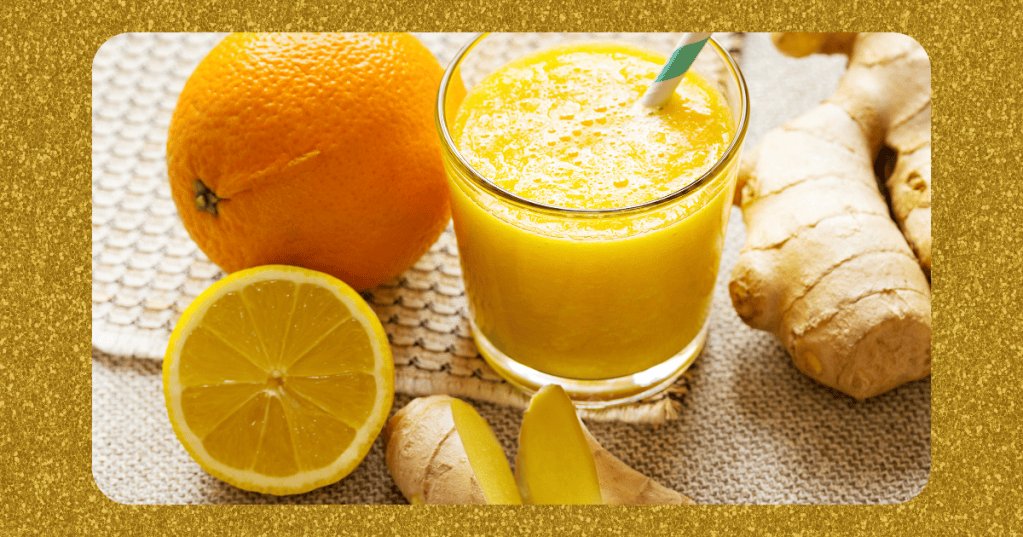
  • Orange Ginger Juice 
  • Apple Cider Spritzer
  • Watermelon Lime Cooler

Strawberry Banana Smoothies

Transformed simple ingredients like strawberries and bananas into a delectable smoothie!

This recipe includes strawberries, bananas, milk, ice cubes, and vanilla extract. It tastes delicious and is very nutritious. You can make it as thick or thin as you prefer.

The strawberry banana smoothie is one of my favorites because it has a sweet taste and is packed with nutrients. Strawberries contain vitamin C, potassium, fiber, and antioxidants, while bananas provide potassium, magnesium, and vitamins B6 and E. Milk contains calcium, which helps build strong bones, and vanilla extract adds flavor. To make this drink, simply combine all ingredients in a blender and blend until smooth. If you want to add some extra sweetness, try adding a few drops of stevia.

The strawberry banana smoothie is a refreshing treat that is easy to prepare. It’s a great breakfast option, especially if you’re looking for something light and healthy. Plus, it’s a great way to get kids involved in the kitchen. Kids love making smoothies, and they’re always excited to see what new flavors they can create.

Blueberry Lemonade

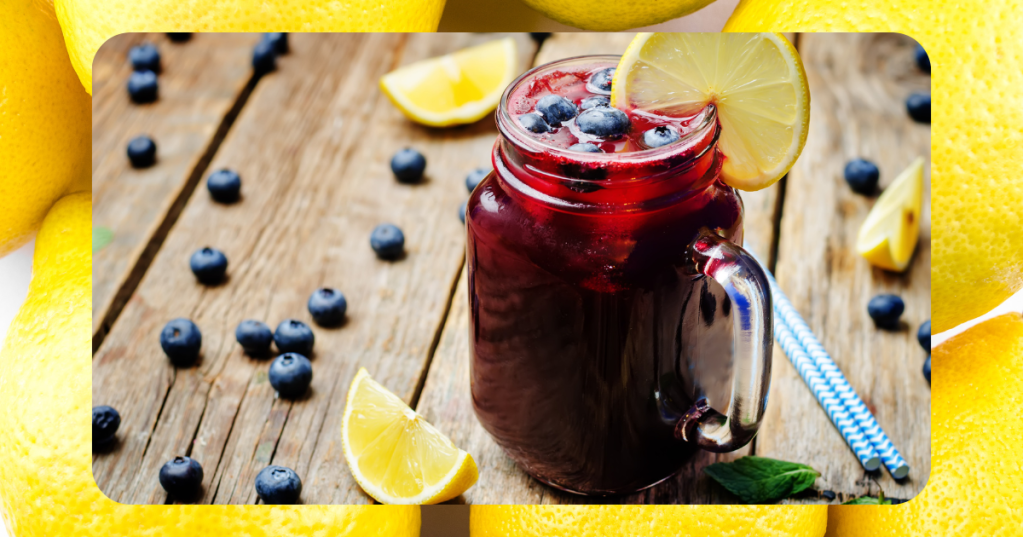
Blueberry lemonade is refreshing and bursting with helpful vitamins and antioxidants!

This refreshing drink recipe combines 2 antioxidant rich ingredients : blueberries and lemons. Here’s how these 2 ingredients measure up :

Blueberries – contain vitamins, minerals, and antioxidants that provide notable health benefits. For example, blueberries are rich in vitamin K, which plays an important role in promoting heart health. The vitamin is also important to bone health and blood clotting.

Lemons – Lemons contain a high amount of vitamin C. They also have soluble fiber and plant compounds. These nutrients give them a number of health benefits. Lemons may aid weight loss and reduce your risk of heart disease, anemia, kidney stones, digestive issues, and cancer.

If you love lemonade, then you will love this blueberry lemonade smoothie recipe. It has a fresh flavor with just the right amount of sweetness.

The best thing about this drink is that it doesn’t require any special equipment. You can use a blender to mix everything together. Make sure to add the ice last. If you add it first, it will melt into the liquid before blending.

If you’re looking for something refreshing to sip on during hot days, try making this blueberry lemonade. It’s sweetened with honey and has a hint of tartness from the lemon juice. To get the most flavor out of the berries, freeze them overnight. When you’re ready to make the drink, simply thaw the frozen berries and pour them into a blender. Add the other ingredients and blend until smooth. Pour the mixture into glasses filled with ice cubes and garnish with fresh mint leaves.

Orange Ginger Juice 

Spicy ginger root plus juicy orange equals an invigorating orange ginger juice!

This orange ginger juice recipe is so delicious and refreshing. You will love how it tastes when you make it yourself.

Oranges are an excellent source of various bioactive plant compounds that have anti-inflammatory and antioxidant effects. These include flavonoids, carotenoids, and vitamin C

  • Helps promote heart health
  • Diets high in citrus fruits may protect against chronic diseases
  • Anemia prevention
  • May help support immune health

Ginger :

  • Contains gingerol, which has powerful medicinal properties
  • Can treat many forms of nausea, especially morning sickness
  • May help with weight loss
  • Can help with osteoarthritis
  • May drastically lower blood sugars and improve heart disease risk factors
  • Can help treat chronic indigestion
  • May significantly reduce menstrual pain
  • May help lower cholesterol levels
  • Can help fight infections
  • Contains a substance that may help prevent cancer

You can control exactly what goes into your juices when you make them at home. This is the best part of making your own juices. If you want to add some extra flavor, try adding fresh herbs such as mint, basil, cilantro, parsley, or chives. Or if you prefer a sweeter taste, use frozen berries instead of oranges.

When it comes to juicing, there are many different types of fruit and vegetable combinations that work well. Carrots and apples make a delicious combination. Both contain high amounts of vitamin A, which helps boost energy levels. On the other hand, beets and kale are a classic pairing. They both contain lots of iron. Iron helps build strong blood cells.

Apple Cider Spritzer

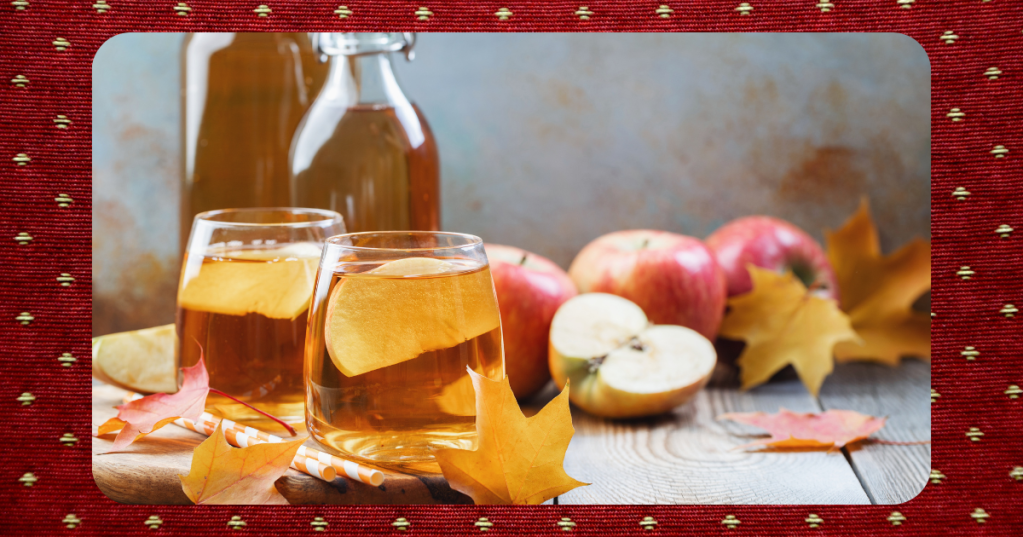
Refreshing and comforting flavor of apple cider

Apple cider is  loved by many either hot or cold, with ice or without. However,  making apple cider at home is much healthier than store bought versions.

If you want to make your own homemade version of apple cider, you’re going to need some apples. You can use any kind of apple you like. To get the most nutrients from your drink, choose organic varieties. The best apples to use are Galas, Granny Smiths, Braeburns, and Honeycrisps. Once you’ve got your apples chopped into pieces, add them to a large pot filled with water. Bring the water to a boil, then reduce heat to medium low and simmer until the apples become soft. Remove the apples from the water and let cool completely before blending them in a blender. Add 1 cup of sugar to the blender and blend again. Pour the mixture into a pitcher and refrigerate overnight. When you’re ready to serve your spritzer, pour it into glasses. Then, top each glass with a slice of fresh ginger. Garnish with a cinnamon stick and serve immediately.

Health benefits of drinking apple cider :

Apple cider contains polyphenols, which are compounds in plants that act as antioxidants. They can help the body to fight against free radicals and cell damage. This reduces your risk of certain types of cancer. It also lowers the risk of diabetes and heart disease. Polyphenols also help to ease inflammation in the body.

Watermelon Lime Cooler

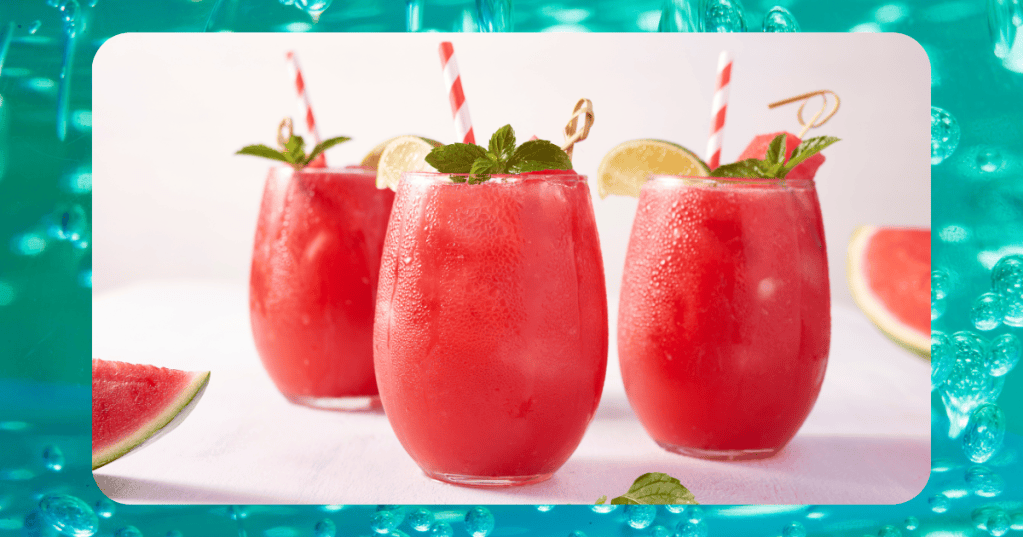
Delicious and hydrating watermelon lime cooler!

This watermelon lime cooler recipe is so refreshing and delicious. You will love how fresh and light it tastes.

If you want to enjoy a cool drink without going outside, try making this watermelon lime cooler recipe. The ingredients are simple and easy to find at most grocery stores. Simply combine watermelon chunks, lime slices, and ice cubes into a blender and puree until smooth. Pour the mixture into glasses and garnish with mint leaves. Enjoy!

This refreshing watermelon lime cooler is a  favorite summertime beverage. It’s light and refreshing, and it would make you feel like you’re drinking something from the tropics. Plus, it’s packed with vitamin C, which helps boost energy levels and keep us feeling young.

Watermelon health benefits :

This large round fruit has a green rind and bright red flesh. It’s also packed with nutrients, including antioxidants and vitamins A and C.

  • Helps you stay hydrated
  • Packed with nutrients and beneficial plant compounds
  • May have anticancer effects
  • May improve heart health
  • May reduce inflammation and oxidative stress
  • May relieve muscle soreness
  • May prevent degenerative eye conditions

Limes health benefits :

Limes are high in vitamin C and antioxidants — both of which may offer health benefits. Eating limes or drinking the juice improves immunity. They can reduce heart disease risk factors. They help prevent kidney stones. They aid iron absorption and promote healthy skin. Avoid limes if you’re allergic to citrus fruit.

Concluding Thoughts

Creating healthy drinks can be an enjoyable experience for the whole family. Take care as you experiment with different recipes, to find the right fit in both taste and benefits.